
What’s Inside
- Standardize Your Hangers
- Acrylic Dividers for Simple Closet Organization
- Stackable Clear Shoe Boxes
- Over-the-Door Accessory Pockets
- Tension Rods for Dead Space
- Drawer Dividers for Simple Closet Organization
- Vacuum Storage Bags for Off-Season Gear
- Sliding Belt and Tie Racks
- Motion Sensor Puck Lights
- Woven Baskets for Denim
- Canvas Hanging Shelves
- Boot Clips and Shapers
- Velvet Jewelry Trays
- Clear Labeling on Opaque Bins
- The One-In-One-Out Donation Bin
- Utilizing Floor Space with Rolling Carts
Last Tuesday I stood in the checkout line at Whole Foods paying $5.49 for an iced coffee when I looked down at my black sweater. A giant white deodorant streak ran straight across the chest. My closet was so dark and crammed with junk that I completely missed it while getting dressed. That was the exact moment I realized my current setup was failing me. You don’t need a massive walk-in space to find your clothes in the morning. You just need simple closet organization tactics that actually function in real life. I spent the next three weekends pulling everything out of my reach-in closet, measuring shelves, and installing basic hardware. I tried this wrong for months before figuring it out. I bought flimsy bins that cracked and hangers that snapped under the weight of my winter coats. Now I’ve got a system that works. Here are sixteen practical methods to fix your messy closet without spending thousands of dollars on custom cabinetry.
1. Standardize Your Hangers

The fastest way to reduce visual clutter is swapping out your random assortment of plastic and wire hangers for a single type. I bought the Amazon Basics Slim Velvet Hangers. A pack of 50 costs $16.99. The velvet texture grips silk blouses so they won’t slide off onto the dusty floor. The slim profile actually reclaims about thirty percent of your rod space compared to thick plastic tubes. I’ve got a strict warning about these hangers. Don’t use them for heavy winter coats or damp clothing. The plastic core snaps straight in half under the weight of a wool peacoat. I learned this the hard way when three of my jackets crashed to the floor at 2 AM with a loud crack. Trust me on this. For heavy items, I keep a small section of wooden hangers from IKEA at the far left side. The Bumerang wooden hangers cost $6.99 for an 8-pack. Keeping the velvet hangers for shirts and wooden ones for coats gives you a uniform look without sacrificing structural integrity. It’s much quieter when you’re sliding clothes back and forth too. The velvet material comes in multiple colors, but I strongly suggest sticking to black. If you buy beige or white velvet, the dye from damp dark jeans can transfer onto the hanger and ruin it. I bought a pack of beige ones initially and they looked filthy after a month of use. Black velvet hides lint and dye transfer perfectly. Plus, if you ever need to buy more in a few years, basic black is always in stock.
2. Acrylic Dividers for Simple Closet Organization

Stacking sweaters on a top shelf seems fine until you pull one from the middle and the entire tower collapses. I dealt with this annoying avalanche every morning. To fix this, I bought acrylic shelf dividers from The Container Store. They cost $11.99 each and slide right onto standard 3/4-inch wood shelves. You just push them into place. They hold your folded stacks of denim and thick knits perfectly vertical. This is a core component of simple closet organization because it requires zero tools to install. The clear plastic doesn’t block light, which keeps the upper shelves from feeling cave-like. Make sure you’re measuring your shelf thickness before buying these. I bought a cheaper set from Walmart for $8.00 last year and the plastic tension clip snapped the second I tried to force it over a 1-inch thick shelf. The Container Store version has a bit more flex. I space them exactly 10 inches apart. This gives me enough room to stack four thick wool sweaters without crushing the fibers. The smooth acrylic edges won’t snag delicate knits like wire dividers often do. I also use these to keep my small clutch purses standing upright. When purses lean against each other in a messy pile, the hardware scratches the leather. The rigid acrylic acts like a bookend for your accessories. Just remember to empty the shelf completely before sliding these on. Trying to wedge them between existing stacks of clothes will just bend the plastic base.
3. Stackable Clear Shoe Boxes

Leaving shoes in a messy pile on the floor ruins the leather and makes it impossible to find a matching pair. I switched to Iris USA Drop-Front Shoe Boxes. A pack of six costs $34.99 on Amazon. The drop-front door means you aren’t unstacking boxes to get to the shoes at the bottom. The plastic is totally transparent so you can see exactly what you own. I keep my bulky sneakers and ankle boots in these. They measure 11.8 by 15.2 inches, which easily fits my size 9 shoes. The downside is the assembly process. The plastic tabs require serious force to click into place. My thumbs were bruised after putting together twelve of these boxes. However, the rigid structure is worth the initial pain. They won’t sag like cheap fabric shoe organizers. I used to keep my shoes in their original cardboard boxes, but that smelled like damp cardboard after a rainy day. These plastic bins wipe clean with a wet paper towel and keep dust off my suede flats. They feature small ventilation holes in the back panel. This is crucial because trapping leather shoes in an airtight plastic box causes dry rot and foul odors. The airflow keeps the leather breathing. I also recommend wiping down the soles of your shoes with a damp rag before putting them inside. If you toss muddy boots into a clear box, the dirt smears against the plastic window and makes your closet look like a garage.
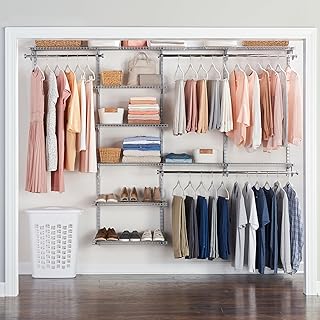
Rubbermaid Configurations Deluxe Custom Closet Kit 4-8 Ft.
Rubbermaid Configurations Deluxe Custom Closet Kit 4-8 Ft. Adjustable punches above its price — 81 buyers rated it 4.5 stars. I would buy it again.
4. Over-the-Door Accessory Pockets

The back of your closet door is totally wasted space. I installed a Whitmor Over-The-Door Shoe Organizer there, but I don’t use it for shoes. I bought it at Target for $12.50. It has 24 clear vinyl pockets. I use these pockets to hold rolled-up belts, sunglasses, lint rollers, and small clutch purses. The clear vinyl lets me spot my black sunglasses instantly instead of digging through a dark drawer. The metal hooks slide right over a standard door frame. Zero tools required. I’d highly recommend sticking a small felt furniture pad behind the bottom of the organizer. If you don’t, the metal grommets will bang against the hollow wood door every time you open it. That repetitive tapping sound gets incredibly annoying. Also, don’t overstuff the vinyl pockets with heavy items like large bottles of perfume. The seams will rip. I tore a pocket trying to shove a thick leather belt into it. Roll your accessories tightly and they’ll slide in without stretching the plastic. The pockets measure roughly 5 by 10 inches. This size is ideal for storing travel-sized umbrellas and lint brushes. I also keep a small sewing kit in the bottom pocket for emergency button repairs. Having all these utility items visible on the door saves me from rummaging through bathroom drawers when I’m running late. Just ensure your door hinges are tight. The added weight of a full organizer can make a loose door sag slightly over time.
5. Tension Rods for Dead Space

Most closets have an awkward gap between the end of the hanging rod and the side wall. I maximize this dead space by installing a short tension rod. I bought a Room Essentials tension rod at Target for $5.00. It expands from 18 to 28 inches. I wedged it between the side wall and the main shelf support bracket. I use this tiny secondary rod to hang my silk scarves and long necklaces. The rubber ends grip the drywall tightly without requiring screws or drills. This keeps delicate items separated from zippers and velcro that might snag them. I tried using a tension rod for extra jeans once. That was a mistake. The rod slid straight down the wall under the weight and left black scuff marks on the white paint. These cheap rods aren’t meant for heavy clothes. If you need a heavy-duty secondary rod, you’ve got to install metal brackets. For scarves and ties, a five-dollar plastic rod works perfectly. The metal construction of the Room Essentials rod is surprisingly thick for five dollars. It doesn’t bow in the middle like cheaper plastic variants. I also use one of these low to the ground to hang my tall boot shapers when I’m actually wearing the boots. It keeps the shapers off the floor so I don’t trip over them. Before tightening the rod, use a small level tool to make sure it’s perfectly straight. A crooked rod will cause all your silk scarves to slide to one side and clump together.
6. Drawer Dividers for Simple Closet Organization

If you’ve got a dresser inside your closet, the drawers probably look like a fabric soup. I use OXO Good Grips Expandable Drawer Dividers to create distinct zones. A set of two costs $19.99. They expand from 11 to 17 inches long. You push down the gray lever and it locks the divider firmly in place. I use these to separate my athletic socks from my dress socks. This simple closet organization trick stops small items from migrating to the back of the drawer when you’re opening and closing it. The foam pads on the ends protect the wood inside the drawer from scratches. I previously bought cheap bamboo dividers from a discount store, but the internal spring rusted and they got stuck. The OXO ones use a ratcheting mechanism that won’t rust. I space them 4 inches apart for socks and 6 inches apart for folded t-shirts. It forces you to file-fold your shirts vertically so you can see every graphic tee at a glance. The plastic material is thick and rigid. It doesn’t warp under pressure if you stuff too many shirts into one column. I also use these in my shallow top drawer to separate my everyday bras from sports bras. The tension mechanism holds firm even when you slam the drawer shut. I’ve had these OXO dividers installed for two years and haven’t had to readjust them once. Just wipe the rubber ends with a damp cloth before installing them to remove any manufacturing dust so they grip the wood better.

Timate P3 Wall Mounted Closet Organizer System with 5
A dependable everyday pick — Timate P3 Wall Mounted Closet Organizer System with 5 Hanging Rods pulls in 7 ratings at 4.5 stars. Not flashy, just solid.
7. Vacuum Storage Bags for Off-Season Gear

Winter coats and heavy duvets consume massive amounts of vertical space. I compress them using Spacesaver Premium Vacuum Storage Bags. I bought a 6-pack of the jumbo size at Walmart for $24.99. You stuff your puffy jackets inside, seal the double-zip track, and suck the air out with a standard vacuum hose. A massive down coat shrinks down to a hard, flat pancake about two inches thick. I slide these flat bags onto the very top shelf of my closet. You must make sure clothes are 100 percent dry before sealing them. I once packed away a slightly damp wool sweater and pulled it out six months later covered in mildew. It smelled like a wet dog and went straight into the trash. Vacuum bags will also severely wrinkle your clothes. I won’t use them for silk or linen. Stick to down jackets, ski pants, and polyester blankets that bounce back easily. The plastic material is incredibly thick and resists punctures. I dragged one across a rough wood floor and it didn’t tear. The bags feature a turbo valve that fits any standard vacuum hose perfectly. You don’t need a special pump. I do recommend leaving the bags out for twenty-four hours after sealing them to ensure they don’t slowly leak air. I had one bag that wasn’t zipped properly and it inflated overnight, knocking a storage bin off my top shelf. Double-check the zipper seal by running your thumb over it twice. You might also like: 20 Gorgeous DIY Waste Materials Home Decor Ideas for Any Style
8. Sliding Belt and Tie Racks

Hanging belts on a standard clothes hanger is incredibly frustrating. You have to remove five belts just to get to the one you want in the middle. I installed a Rev-A-Shelf Sliding Belt Rack on the wooden side panel of my closet. It’s $32.49 on Amazon. It features a metal track that glides smoothly outward when you pull it. It has 7 hooks that hold multiple belts each. The installation took me exactly ten minutes with a power drill and two included screws. Being able to slide the entire rack out into the light makes choosing an accessory much faster. The metal construction is sturdy and doesn’t bend. I tried a plastic stick-on hook rack first, but the adhesive failed after three days in the humid summer heat. Screwing a metal rack directly into the wood is the only permanent solution. The rack measures 14 inches long, so make sure your side panel is deep enough before you’re drilling any holes. The ball-bearing slide mechanism operates silently. It doesn’t squeak or rattle when you pull it. The hooks are spaced about an inch apart, which gives thick leather belt buckles plenty of room without banging into each other. I also use the back hooks to hold my heavy winter scarves. The steel hooks are thick enough that they won’t leave indentations in delicate silk fabrics. If you’re mounting this on a painted wall instead of a wood panel, you’ll need drywall anchors, which aren’t included in the box. You might also like: 14 Home Office Organization That Actually Work
9. Motion Sensor Puck Lights

Most reach-in closets have terrible lighting. A single bulb on the ceiling casts harsh shadows on the lower shelves. I fixed this by sticking GE Motion Sensor Puck Lights under the shelves. I bought a 2-pack at Costco for $14.99. They run on three AAA batteries. When I open the closet door, the motion sensor detects my hand and floods the dark corners with bright white light. It’s much easier to find navy blue pants versus black pants now. The lights stick on with heavy-duty double-sided tape. The only negative is changing the batteries. You have to twist the plastic casing to detach it from the adhesive base, and sometimes the plastic threads get stuck. I replace the batteries about every four months. I prefer the battery-powered pucks over hardwired LED strips because I didn’t want to hire an electrician or deal with ugly cords running down my wall. Just wipe the wood shelf with rubbing alcohol before applying the adhesive tape so it sticks permanently. The light output is a cool white, around 4000 Kelvin. It doesn’t distort the color of your clothes like warm yellow bulbs do. The sensor range is about ten feet, and the light automatically shuts off after twenty seconds of no movement. This auto-shutoff feature saves a massive amount of battery life. I initially forgot to turn off manual tap lights and drained a fresh set of batteries in two days. The motion sensor eliminates that human error entirely. You might also like: 15 Kids Closet Organization Ideas That Actually Work

SNSLXH 5 Pack Stackable Closet Storage Basket
Honestly, SNSLXH 5 Pack Stackable Closet Storage Basket surprised me — sturdier than it looks in the photos, and over 4 buyers gave it 4.5 stars.
10. Woven Baskets for Denim

Jeans are heavy and take up too much room on hangers. I prefer folding them and storing them in deep baskets. I use the Threshold Woven Milk Crates from Target. They’re $16.00 each. They measure 13 by 13 inches. I roll my denim tightly and stand the rolls upright inside the basket. One basket holds exactly six pairs of thick cotton jeans. The woven material hides the visual clutter of different colored denim washes. The basket features metal handles that make it easy to pull down from a high shelf. I initially bought cheap fabric bins, but the sides bulged out awkwardly when I stuffed heavy jeans inside. The rigid metal frame of the Threshold baskets keeps everything looking perfectly square. The seagrass material does shed slightly. I occasionally find tiny flakes of dried grass on my closet floor. I just vacuum them up. The structural support is definitely worth the minor shedding issue. The interior of the basket is surprisingly smooth. There are no sharp wire edges poking through the seagrass to snag your clothes. I also use these baskets on the floor to corral my bulky gym bags and backpacks. The 13-inch height perfectly conceals a standard duffel bag. If you’re sliding these on painted wood shelves, I’d suggest sticking four small felt pads to the bottom corners. The natural woven texture can leave faint scratches on soft white paint if you drag it back and forth every day.
11. Canvas Hanging Shelves

If you lack built-in shelving, you can create instant cubbies with a hanging organizer. I bought the Zober 5-Shelf Hanging Closet Organizer for $14.99. It suspends from the main closet rod using two thick metal hooks. I use these canvas shelves to store workout clothes and bulky sweatshirts. Each shelf measures 12 by 12 inches. The rigid cardboard inserts prevent the shelves from sagging in the middle. I tried a cheaper version that used velcro to attach to the rod. The velcro ripped open under the weight of five hoodies and the entire thing fell onto my shoes. Always buy hanging shelves with metal hooks. You can’t overload these canvas shelves with heavy denim or books. The fabric will eventually tear at the seams. Keep it limited to lightweight cotton shirts, leggings, and gym shorts. It breaks up a long expanse of hanging clothes and provides a visual boundary between your casual wear and work wear. The fabric is a breathable poly-cotton blend. It doesn’t trap musty odors like cheap vinyl organizers do. The gray color blends nicely with most closet interiors and hides dust better than stark white canvas. I also bought the matching Zober canvas drawers that slide into these cubbies. They cost $10.99 for a set of two. I use the pull-out drawers to hold my bathing suits and beach cover-ups. It keeps those slippery nylon fabrics contained so they don’t slide off the open shelves.
12. Boot Clips and Shapers

Tall leather boots flop over and crease at the ankles when you leave them on the floor. This permanently damages the leather. I use MAWA Hanging Boot Clips to keep them vertical. A pack of 10 costs $22.00. The clips feature rubber-coated tips that grip the leather tightly without leaving permanent indentations. You clip them to the top of the boot shaft and hang them from a low tension rod. If you don’t have a low hanging rod, you’re going to need boot shapers. I’ve used rolled-up magazines in a pinch, but the plastic Household Essentials Boot Shapers work better. They cost $9.99 for two pairs. You squeeze the plastic handle, insert it into the boot, and let it expand. It holds the calf perfectly straight. I keep my tall boots lined up on the floor with these shapers inside. It prevents the zippers from warping and makes the floor look incredibly tidy. The metal spring in the MAWA clips is incredibly strong. It won’t let go of thick leather, even if you accidentally bump the boots with the vacuum cleaner. The clips measure 4.5 inches long, so they don’t add much vertical bulk to your hanging space. The Household Essentials shapers feature a built-in hook at the top, which makes pulling them out of the boots very easy. I used to stuff my boots with old newspaper, but the ink transferred onto the interior suede lining and ruined it. Stick to plastic shapers.

Kmiectse Clear Storage Bins with Lids
Honestly, Kmiectse Clear Storage Bins with Lids – 4 Tier Plastic Bins with Wheel surprised me — sturdier than it looks in the photos, and over 2 buyers gave it 4.5 stars.
13. Velvet Jewelry Trays

Small earrings and rings easily get lost in deep dresser drawers. I converted a shallow top drawer into a jewelry station using Stock Your Home Velvet Jewelry Trays. A set of four costs $21.99. They measure 8 by 12 inches each and fit perfectly side-by-side in my standard drawer. The set includes different grid layouts for rings, bracelets, and large statement necklaces. The soft gray velvet prevents silver from scratching against hard plastic. I used to keep my necklaces hanging on a corkboard, but they constantly tangled together into a giant metal knot. Laying them flat in individual compartments stops the chains from knotting. The trays are stackable, but I prefer laying them out in a single layer so I can see everything at once. The velvet does attract dust and pet hair quite easily. I’ve got to run a sticky lint roller over the empty compartments every few weeks to keep them looking clean. The trays feature a solid MDF core beneath the velvet. They don’t bend or flex when you pick them up with one hand. The ring slot tray holds up to forty rings, which is more than enough for my entire collection. I also use the large open-compartment tray to store my oversized sunglasses. The velvet prevents the sunglass lenses from getting scratched when I open and close the drawer. If you spill makeup powder on the velvet, don’t use water to clean it. Use a dry toothbrush to gently brush the powder away.
14. Clear Labeling on Opaque Bins

If you’re using solid-colored bins on your top shelves, you must label them. You’ll absolutely forget what is inside a white plastic box after three months. I use a Brother P-Touch Label Maker. I bought it at Target for $34.99. I print large, bold text on white adhesive tape. I stick the labels right in the center of the bins. I label them specifically, like “Winter Scarves” or “Swimsuits.” General labels like “Miscellaneous” aren’t helpful at all. Complete waste of time. I learned this when I spent twenty minutes opening five identical white bins looking for my thermal socks. The adhesive on the Brother tape peels off cleanly when you need to change the bin’s contents. Don’t use masking tape and a sharpie. It looks messy and the ink fades over time. A printed label gives your closet a polished, professional look. I even label the bins holding my extra Sprouts canvas bags ($2.99 each) so I don’t confuse them with my winter gear. The Brother label maker features a QWERTY keyboard, making it fast to type out multiple labels in one sitting. It uses thermal printing technology, so you never have to buy ink cartridges. The black text on white tape offers the highest contrast, which is essential when you’re squinting at a top shelf in dim lighting. I also label the edges of my acrylic shelf dividers. I put tiny labels that say ‘Cardigans’ or ‘Heavy Knits’ right on the plastic edge. It forces me to put my laundry away in the exact right spot every single time.
15. The One-In-One-Out Donation Bin

Your closet won’t stay organized if you constantly bring in new clothes without removing old ones. I keep a dedicated donation bin on the floor in the back corner. I use a large $1.99 Trader Joe’s insulated grocery bag for this. It stands upright on its own. Whenever I try on a shirt that feels tight, has a permanent stain, or just looks outdated, I immediately drop it into the Trader Joe’s bag. I don’t put it back on the hanger. Once the bag is full, I put it in the trunk of my car and drop it at a local thrift store. Having a designated spot for discards stops you from hanging onto clothes you hate. I used to keep a plastic garbage bag for donations, but it looked trashy and tore easily. The structured reusable grocery bag looks much neater sitting on the closet floor. It holds about fifteen pieces of clothing before it overflows. The Trader Joe’s bag features reinforced nylon handles. When it gets heavy with discarded denim, the handles don’t dig into my hands while carrying it to the car. The bag measures 13 by 15 inches, so it tucks perfectly into the corner without blocking my shoe boxes. I empty this bag on the first Saturday of every month. Establishing a strict routine prevents the donation pile from becoming just another permanent fixture of clutter. If you don’t have a Trader Joe’s nearby, any structured canvas tote from Whole Foods or Sprouts works exactly the same.

AWTATOS Cube Storage Organizer Storage 12 Cube Bookshelf
If you want something that just works, AWTATOS Cube Storage Organizer Storage 12 Cube Bookshelf DIY Plastic C is a safe bet (28 reviews, 4.5 stars).
16. Utilizing Floor Space with Rolling Carts

If you’ve got a wide closet with empty floor space under your short hanging items, a rolling cart is highly effective. I use the IKEA Raskog utility cart. It’s $39.99. It features three deep metal tiers and smooth caster wheels. I roll it straight into the closet under my blouses. I use the top tier for my daily purses, the middle for folded gym towels, and the bottom for heavy slippers. When I need to vacuum the closet floor, I just roll the entire cart out into the bedroom. It takes two seconds. The metal construction is incredibly durable. I bought a plastic rolling cart from a discount store at Kroger for $8.99 once, and the plastic wheels snapped off the first time I rolled it over carpet. The IKEA cart glides over thick carpet without any issues. The dimensions are 13.75 by 17.75 inches, so measure your floor space carefully to ensure the door can still close when the cart is inside. The powder-coated steel finish resists chipping and rust. I accidentally banged the vacuum against the cart last week and it didn’t leave a mark. The mesh bottom on each tier allows dust to fall through instead of collecting in the corners. I wipe the mesh with a microfiber cloth once a month. I also attached a few magnetic hooks to the outside of the cart. I bought a 4-pack of heavy-duty magnetic hooks at Home Depot for $6.98. I hang my daily dog-walking leash and a small umbrella on these hooks for fast access.
Getting your closet in order doesn’t require a professional contractor or thousands of dollars in custom wood shelving. You just need practical bins, sturdy hangers, and a strict rule about what actually belongs in your space. I’ve used this exact system for three years now, and I haven’t lost a single sweater or pair of shoes since. Start with the acrylic shelf dividers or the drop-front shoe boxes if you want immediate visual results. Pin this list for later when you’re ready to tackle your weekend organizing project.
Frequently Asked Questions
How do I start simple closet organization?
Pull everything out of your closet first. You can’t organize a crammed space. Wipe down the shelves, measure your dimensions carefully, and only put back clothes you actually wear. Donate the rest immediately.
What is the best way to store heavy jeans?
Fold them tightly and store them upright in rigid woven baskets or milk crates. Hanging thick denim takes up too much rod space and causes the metal rod to bow under the extreme weight.
Do vacuum storage bags ruin clothes?
They can cause severe, permanent wrinkles in delicate fabrics like silk or linen. Only use vacuum bags for resilient items like polyester puffy jackets, ski gear, and thick synthetic winter blankets.
How can I organize shoes in a small closet?
Use rigid, clear drop-front shoe boxes stacked on the floor. They allow you to pull out a bottom pair of shoes without unstacking the entire tower. Avoid cheap fabric organizers that sag and tear.
