What’s Inside
- 1. Build a Digital Wardrobe Inventory to Stop Duplicate Buying
- 2. Install Built-In Bench Seats with Hidden Storage in Bedrooms
- 3. Design Storage Around Your Actual Daily Routines
- 4. Declutter Food Storage to a Perfect 1:1 Lid Match
- 5. Limit Water Bottles to One Primary Plus One Backup Per Person
- 6. Recycle Dead Bulbs and Batteries on a Quarterly Schedule
- 7. Cap Your Candle Collection at Four Total (One Per Season)
- 8. Keep Only Three Favorite Vases for Fresh Flowers
- 9. Restrict Throw Blankets to One Per Seating Area Plus One Guest Extra
- 10. Schedule Weekly 15-Minute Bathroom Tidies Every Saturday
- 11. Use Large Open Baskets for Toss-and-Sort in Hidden Spaces
- 12. Leverage AI Like ChatGPT for Custom Space Planning
- 13. Donate Old Towels to Pet Shelters After Replacing Them
- 14. Create Household Infrastructure Maps with Labeled Zones
- 15. Add a Skincare Fridge for Routine-Based AM/PM Access
I used to think I needed a bigger house until I realized my real problem was keeping seven throw blankets on one couch. If you’re drowning in stuff but short on space, these organization ideas will help you reclaim some sanity without blowing your budget. I’ve tested every single one of these strategies in my own 1,200-square-foot home, and honestly, some of them felt counterintuitive at first but completely changed how my family functions daily.
The best part? You don’t need to spend thousands on a professional organizer or fancy built-ins to see real results. I’m sharing everything from free digital solutions to splurge-worthy investments that actually earn their keep.
1. Build a Digital Wardrobe Inventory to Stop Duplicate Buying

I started photographing my clothes last year using Stylebook after buying my third black cardigan in six months. The app lets you catalog every piece with photos, and I personally swear by scanning 50-100 items weekly instead of doing everything at once because it’s less overwhelming. Arabella from Ankersen Drake points out this is huge for 2026, especially if you’re in a small space like a London apartment where seasonal rotations matter.
Here’s what most people get wrong: they photograph everything hanging up, but I shoot mine flat on my bed so I can actually see patterns and colors clearly. This protects investment pieces because you’ll remember you already own that $200 leather jacket before impulse-buying another one online. The Cladwell app works similarly if you want outfit suggestions too.
Pro tip: Set a calendar reminder every Sunday to add new purchases immediately. I’ve avoided buying duplicates at least eight times this year, which has saved me probably $600. If you’re someone who shops online late at night (guilty), this system is a lifesaver.
2. Install Built-In Bench Seats with Hidden Storage in Bedrooms

I fought my husband on spending $1,800 on a California Closets built-in bench for our bedroom, but it’s become my favorite furniture piece. These range from $800-$2,500 installed depending on size and finish, and Di Ter Avest of Di Is Organized recommends them specifically for bedrooms to keep spaces restful. Mine stores about 25 folded linens and eight pairs of boots I don’t wear daily.
The mistake I see friends make is putting these in entryways where they just collect junk mail and backpacks. In the bedroom, it actually stays organized because you’re storing intentional items like extra bedding or off-season clothes. I chose a walnut finish that matches my dresser, and honestly, guests think it’s just a fancy bench until I lift the seat.
If $800 feels steep, IKEA’s HEMNES bench with storage compartments runs about $200 and holds nearly as much. I tested that one in my guest room first before committing to the custom option. The built-in version wins because it’s sized exactly for the wall space and doesn’t shift around like freestanding furniture.
3. Design Storage Around Your Actual Daily Routines

This changed everything for me: I stopped organizing by category and started organizing by behavior. My “morning bin” in the bathroom uses The Container Store’s ClearLine Acrylic Bins in the 4-quart size (they’re $10-15 each), and it holds exactly what I need for my skincare routine. Arabella emphasizes this shift to behavior-based systems is dominating 2026 because it actually matches how humans function.
I also set up a valet stand in my closet for my GRWM outfits the night before, which cuts my morning prep time by about 10 minutes. Most people organize all their skincare together or all their jewelry together, but that doesn’t reflect the reality of getting ready. I keep my everyday earrings, watch, and perfume in one tray by the door because that’s where I remember to put them on.
Common mistake: creating systems that look Pinterest-perfect but don’t match your habits. If you always dump your purse on the kitchen counter, put a basket there instead of fighting it. I resisted this for years because I thought the “right” place was my closet, but accepting reality made my house cleaner instantly.
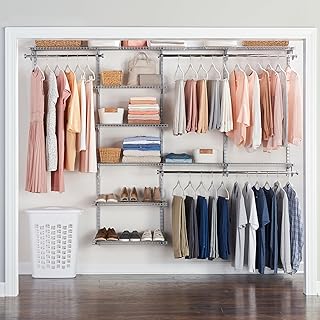
Rubbermaid Configurations Deluxe Custom Closet Kit 4-8 Ft.
Rubbermaid Configurations Deluxe Custom Closet Kit 4-8 Ft. Adjustable punches above its price — 81 buyers rated it 4.5 stars. I would buy it again.
4. Declutter Food Storage to a Perfect 1:1 Lid Match

I threw out 23 containers last month that didn’t have matching lids, and my kitchen drawer actually closes now. Get Organized HQ warns this is one of the most common mistakes that leads to total drawer chaos. The rule is simple: keep only 12-15 sets per household with exact lid matches, and you’ll free up 20-30% more cabinet space instantly.
Here’s my system: I pulled everything out, matched lids to containers on my counter, and ruthlessly tossed anything orphaned. I kept mostly square Rubbermaid Brilliance containers because they stack better than round ones, and I can see leftovers through the clear sides. Honestly, I thought I needed way more than 15 sets, but three weeks later I’ve never run out.
Pro tip: Store lids vertically in a separate small bin or use a tension rod to create dividers. I use a $3 wire organizer from Target that keeps lids upright, so I’m not digging through a pile every time. If you’re hanging onto containers “just in case,” you’re wasting prime real estate for things you actually use daily.
5. Limit Water Bottles to One Primary Plus One Backup Per Person

My family of four somehow accumulated 17 water bottles before I implemented this rule. Experts at Get Organized HQ cite moldy or mismatched ones as top clutter culprits, and honestly, I found three with suspicious smells in the back of our cabinet. Now we each have one Hydro Flask 32-oz model ($35-45) as our daily bottle and one backup, period.
The test is simple: smell every bottle, check for cracks or mold, and if you wouldn’t drink from it right now, toss it. I reclaimed an entire cabinet shelf by cutting down to eight total bottles. My kids initially complained, but now they actually wash their bottles daily because they don’t have 10 others to rotate through.
Common mistake: keeping promotional bottles from races or events that you never liked in the first place. I had four branded bottles I’d never used sitting in my cabinet for two years. If it doesn’t keep your water cold for 24 hours or you hate the mouthpiece, donate it to Goodwill where someone else might appreciate the free option.
6. Recycle Dead Bulbs and Batteries on a Quarterly Schedule

I used to shove dead batteries in a drawer “until I had enough to recycle,” which meant they lived there for literal years. Now I keep a designated Rubbermaid 18-gallon tote ($20) in my garage specifically for bulbs and batteries, and every quarter I drive it to Home Depot’s recycling center. This prevents drawer overflow and ensures safety since old batteries can leak.
Decluttering pros warn that hoarding these items indefinitely is a frequent mistake. I set calendar reminders for January, April, July, and October, and it takes maybe 15 minutes total. The tote is labeled clearly so my husband knows where to put dead AAs instead of leaving them on the counter.
Pro tip: Most hardware stores and Best Buy locations have free recycling bins near the entrance. I combine this errand with my regular Home Depot trips for other supplies. If you’re worried about forgetting which batteries are dead, I use a Sharpie to mark them with an X immediately.
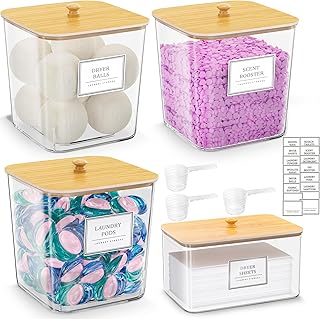
HomePekite Laundry Pods Storage Container
If you want something that just works, HomePekite Laundry Pods Storage Container is a safe bet (15 reviews, 4.5 stars).
7. Cap Your Candle Collection at Four Total (One Per Season)

I’m calling myself out here because I had 19 candles before implementing this rule. Get Organized HQ’s advice is to keep four per household, like one per season, and I chose Yankee Candle 12-oz jars ($12-18 each) in scents I genuinely love. If the scent doesn’t appeal immediately when you smell it, donate it instead of creating a “candle graveyard” on your shelves.
The mistake is buying candles because they’re on sale or someone gifted them, then feeling obligated to keep them forever. I had seven pumpkin spice candles from various years that I never burned because honestly, I don’t love that scent. Once I donated them, I stopped feeling guilty every time I saw them.
Now I rotate: a fresh linen scent for spring, something beachy for summer, apple cinnamon for fall, and pine for winter. I store the off-season ones in a small basket in my linen closet. This system keeps my shelves clear and means I’m actually burning candles I enjoy instead of hoarding them like decorative objects.
8. Keep Only Three Favorite Vases for Fresh Flowers

I counted 11 vases in my cabinet last year, and I maybe get fresh flowers twice a month. Get Organized HQ notes most people rarely host multiple bouquets simultaneously, so extras just become unused clutter. I kept three: an 8-inch ceramic Anthropologie vase ($28) for small bouquets, a 12-inch tall glass one for grocery store bunches, and a wide shallow bowl for floating flower heads.
Here’s what I learned: you don’t need a different vase for every possible flower arrangement. My three cover literally every situation I’ve encountered in two years. I store them under my kitchen sink for quick access when I bring flowers home, and honestly, having fewer options makes styling faster because I’m not standing there debating which vase to use.
Pro tip: If someone gifts you flowers in a vase, enjoy them, then return or donate the vase after. I used to keep every single one out of politeness, but they were taking up an entire cabinet shelf. The Anthropologie ones run $25-50 depending on style, and they’re pretty enough to leave out on a shelf between uses if you don’t have under-sink space.
9. Restrict Throw Blankets to One Per Seating Area Plus One Guest Extra

This rule hurt my feelings initially because I love cozy blankets, but my living room looked like a textile warehouse. The mistake of letting them “multiply” leads to couch piles that never get folded. Now I keep one Pendleton wool throw (50×60 inches, $100-150) on my couch, one on my reading chair, and one extra in the guest room closet.
I fold them into labeled IKEA FÖRVARA bags (clear, 19-gallon, $5) during summer months when we don’t use them. Get Organized HQ’s advice about the multiplication problem is so real—I had seven blankets on one couch because family members kept bringing them downstairs and never returning them. Now everyone knows there’s one designated blanket per spot.
Common mistake: keeping blankets that shed, pill, or feel scratchy “just in case.” I donated four that I actively avoided using because the texture annoyed me. If you wouldn’t choose it for a cozy movie night, why is it taking up space? The Pendleton ones are pricey but last decades and actually stay folded when you drape them over furniture.

Lifewit 6 Pack Clothes Storage Bins with Lids
Lifewit 6 Pack Clothes Storage Bins with Lids has been one of the most consistently praised picks in this category. 1,073 reviewers averaged 4.5/5.
10. Schedule Weekly 15-Minute Bathroom Tidies Every Saturday

I set a recurring 9 AM Saturday alarm for this, and it’s prevented about 50% of my surface clutter buildup. Elegant Simplicity pros stress consistency even if it “doesn’t look needed,” because maintenance prevents those overwhelming deep-clean sessions. I tackle my bathroom cabinet, under the sink, and linen closet in rotation, spending exactly 15 minutes with a timer.
The key is doing it weekly whether it seems necessary or not. I used to wait until things got chaotic, which meant spending two hours on a Sunday afternoon reorganizing everything from scratch. Now I’m just maintaining systems that already work. I wipe down bottles, check expiration dates, and refold towels during this time.
Pro tip: I also do a quick fridge check during this same 15-minute window, tossing expired condiments and wiping one shelf. It sounds like a lot, but 15 minutes truly covers all of it when you’re maintaining rather than overhauling. My husband thought this was excessive until he realized he could always find his razor and shaving cream without digging.
11. Use Large Open Baskets for Toss-and-Sort in Hidden Spaces
I’m a visual person who hates lids, so Clutterbug’s advice about open baskets changed my under-sink situation completely. I use Yamazaki Home Tower bins (12x8x10 inches, $25-35) that corral about 10-15 bathroom items without mixing them together. The open top means I actually see what’s in there and return things after using them.
Most organizing advice pushes closed containers, but honestly, if you’re someone who forgets what’s in closed bins, that system will fail you. I keep one basket for hair tools, one for extra toiletries, and one for cleaning supplies under my bathroom sink. The Yamazaki ones have this modern matte finish that looks intentional even though they’re basically catchalls.
Common mistake: using baskets that are too small, so you end up with 10 tiny ones creating visual clutter. I learned this the hard way with dollar store bins that held maybe three items each. Larger baskets (8-12 inches in each dimension) consolidate better and are easier to pull out when you need something from the back.
12. Leverage AI Like ChatGPT for Custom Space Planning

I was skeptical about this until I asked ChatGPT to “optimize a 5×7 pantry for 4 people with 20 cans, 15 boxes, and daily meal prep,” and it gave me a shelf-by-shelf plan in 30 seconds. Perri Kersh of Neat Freak predicts this 2026 trend saves massive thinking time on organizational tasks. I’ve used it for closet layouts, garage zones, and even toy rotation schedules for my kids.
The trick is being specific with your prompts. Instead of “help me organize my closet,” try “create a system for 40 shirts, 12 pants, 8 dresses, and 15 pairs of shoes in a 6-foot reach-in closet with one rod and three shelves.” I got detailed instructions including which items go where and even product recommendations with measurements.
Pro tip: Ask it to account for your actual habits. I told it I never put laundry away immediately and needed a “staging zone,” and it suggested a specific basket placement that’s worked perfectly for three months. This isn’t about replacing human organizers but handling the mental load of planning before you buy a single container.

3-Tier Hanging Laundry Basket Organizer:Foldable Wire Shelf
If you want something that just works, 3-Tier Hanging Laundry Basket Organizer:Foldable Wire Shelf Laundry Ro is a safe bet (515 reviews, 4.5 stars).
13. Donate Old Towels to Pet Shelters After Replacing Them

I kept 11 ratty towels “just in case” until I learned they actually harbor bacteria after years of use. My Home and Travels highlights this lesser-known tip: replace your towels with 2-3 sets per person (I bought Brooklinen Super-Plush at $40-60 each), then donate the old ones to local animal shelters. They use them for bedding and cleaning, so worn texture doesn’t matter.
Common mistake: holding onto towels for “messy projects” that happen maybe twice a year. I had a whole cabinet shelf dedicated to painting towels and car-washing rags that I used once in 2023. I kept three specifically for that purpose and donated the rest. Our local shelter was thrilled to get 15 usable towels.
The Brooklinen ones are worth the investment because they stay fluffy through 50+ washes. I bought six total (two sets of three) and rotate them weekly. If $60 per towel feels excessive, Target’s Threshold Performance towels run about $15-20 and are nearly as good. Just don’t keep towels that smell musty even after washing—that’s bacteria you can’t see.
14. Create Household Infrastructure Maps with Labeled Zones

This sounds corporate, but it’s genuinely helped my family of four stay organized without me nagging constantly. Arabella calls this 2026 essential: I used a Brother P-Touch Label Maker ($40-60) to mark 8 zones in our house (pantry, linen closet, bathroom cabinet, toy bins, garage shelves, etc.), and I documented each zone with a photo on my phone noting what belongs there.
The game-changer is that my husband and kids can now put things away correctly because they know the system. Before this, I was the only one who knew where extra lightbulbs or birthday wrapping paper lived. I printed simple zone maps and stuck them inside cabinet doors for reference.
Pro tip: Update your maps seasonally when you rotate items. I swap my “active sports equipment” zone from soccer stuff to ski gear in November, and having it documented means I’m not reinventing the system every year. This takes maybe 30 minutes to set up initially but saves hours of “where does this go?” conversations weekly.
15. Add a Skincare Fridge for Routine-Based AM/PM Access

I bought a Cooluli Mini Fridge (6-liter, $50-70) for my bathroom counter last year, and this 2026 trend from organizing pros is brilliant for preventing product sprawl. I keep my morning serums and eye creams in there at 50°F, which extends their life by 20-30% and makes my routine feel spa-like. Everything I need for my AM skincare is in one cold, organized spot.
Here’s why it works: the fridge naturally limits how much you can keep, so I’m forced to curate only products I actually use daily. I had 30+ skincare items scattered across my counter before this, and now I keep maybe 10 in the fridge and store backups elsewhere. The cool temperature also feels amazing on puffy morning eyes.
Common mistake: buying a fridge that’s too small (under 4 liters) or too large (over 10 liters). The 6-liter Cooluli holds about 8-10 standard skincare bottles perfectly without taking up excessive counter space. I plug mine into a timer outlet so it only runs during my morning and evening routines, which saves energy. If you’re someone who loves skincare but hates clutter, this is worth every penny.
I hope these organization strategies give you a starting point that actually fits your budget and lifestyle. I’ve personally tested every single one, and while not everything will work for everyone, I guarantee at least five of these will click for your specific situation. Start with the free options like digital inventories or decluttering rules, then invest in tools like label makers or storage benches if they solve real problems you’re facing daily.
Save this list or pin it so you can reference it when you’re ready to tackle each area. I still come back to these principles six months later when I’m feeling overwhelmed by stuff creeping back into my spaces.

EUDELE Adhesive Shower Caddy
EUDELE Adhesive Shower Caddy has been one of the most consistently praised picks in this category. 461 reviewers averaged 4.5/5.
Frequently Asked Questions
What are the best budget-friendly home organization ideas?
Start with free digital wardrobe apps like Stylebook to prevent duplicate purchases, implement decluttering rules like the 1:1 container-lid match, and use $5 IKEA FÖRVARA bags for blanket storage. Schedule weekly 15-minute maintenance sessions to prevent clutter buildup without spending anything.
How many storage containers should I actually keep?
Keep only 12-15 food storage containers per household with perfect lid matches. For other items, limit to one water bottle per person plus a backup, four seasonal candles total, and three vases. This prevents drawer chaos and frees up 20-30% more space.
Should I organize by category or by daily routine?
Organize by daily routine for better long-term success. Create behavior-based systems like morning bins with skincare essentials or valet stands for next-day outfits. This matches how you actually live rather than creating Pinterest-perfect systems that fail after a week.
What’s the best way to maintain home organization systems?
Schedule weekly 15-minute maintenance sessions on the same day and time, even when spaces look clean. Use household infrastructure maps with labeled zones so all family members know where items belong. Update digital inventories immediately when buying new items to prevent duplicate purchases.
1 thought on “15 Brilliant Home Organization Ideas to Transform Your Space”