What’s Inside
- Conquer the Deep Shelf Dilemma with Pull-Out Solutions
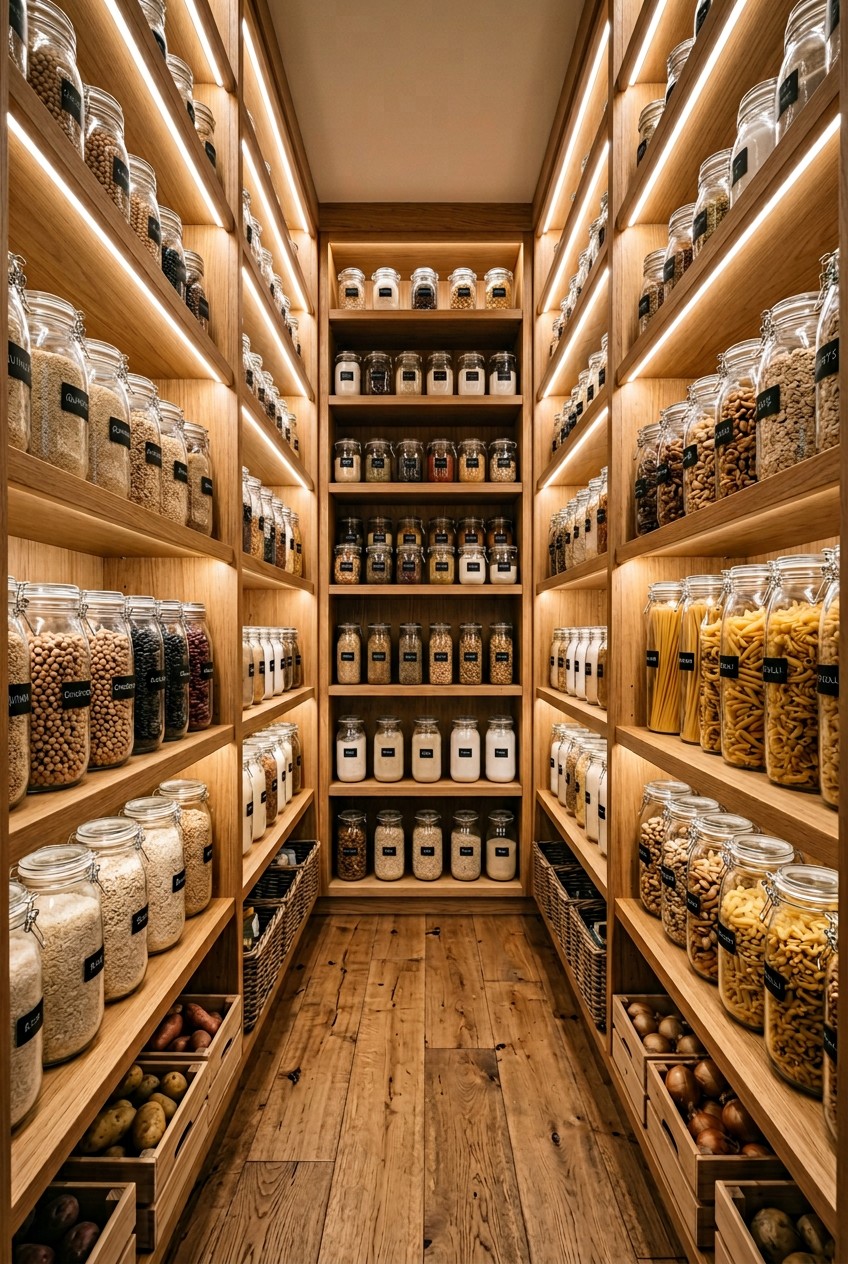
- Embrace Clear, Airtight Containers for Dry Goods
- Implement the FIFO Method with Can Organizers
- Maximize Vertical Space with Adjustable Shelving and Risers
- Zone Your Pantry for Efficiency
- Label Everything Clearly and Consistently
- Utilize Door Space with Over-the-Door Organizers
- Incorporate Lazy Susans for Corner and Deep Shelf Access
- Prioritize Sustainable Materials for a Fresh Look
- Illuminate Your Pantry with Intentional Lighting
- Measure Before You Buy Absolutely Anything
- Stop Overstuffing Your Deep Pantry Shelves
- Utilize Under-Shelf Baskets for Hidden Storage
- Repurpose Rolling Plant Stands for Heavy Appliances
- Create a Meal Prep-Focused Organization Zone
- Use Deep Narrow Baskets for Root Vegetables
Last Tuesday at Whole Foods, I bought three jars of $9.99 almond butter because I thought I was out. I wasn’t. When I got home and started putting groceries away, I found four more jars shoved to the very back of my dark, 24-inch cabinet. They were covered in a sticky layer of spilled maple syrup and dust. That disgusting, expensive mess is why mastering pantry organization matters for your sanity and your budget. If you’ve got shelves deeper than 12 inches, food just goes back there to die. Like my dignity when I realized I spent forty dollars on nut butter I didn’t need. Let’s fix this. I’m going to show you the products and tricks I use to keep my own kitchen from turning into a black hole of expired snacks.
1. Conquer the Deep Shelf Dilemma with Pull-Out Solutions

Deep pantry shelves are usually 12 to 16 inches, but some older homes have cabinets reaching 24 inches back. You can’t reach the back without a step stool and a flashlight. I tried living with static shelves for months before figuring it out. I’d shove boxes of pasta backward until they fell behind the shelf board, creating a secret graveyard. You need pull-out shelves or drawers. Brands like Rev-A-Shelf offer wood pantry pull-outs ranging from $1000 to $1400. They provide stability and easy access to items at the back. If a massive custom system isn’t in your budget, consider deep, narrow bins that slide. Professional organizer Samantha Davis recommends the iDesign Linus Deep Drawer Bins. They cost about $24.99 at The Container Store. Because they’re exactly 16 inches deep, you can pull them out to grab contents without knocking over a glass bottle of expensive olive oil. I use these for my heavy Costco bulk items. The rigid plastic slides smoothly on wooden shelves. It’s a lifesaver. Learned that the hard way.
2. Embrace Clear, Airtight Containers for Dry Goods

Skip the cheap, flimsy plastic bag clips. They snap after two uses and let stale air ruin your groceries. Decant staples like pasta, rice, flour, and cereal into clear, airtight containers. This prevents pantry moths, keeps food fresh, and allows for quick inventory checks. I can’t tell you how many half-empty cardboard boxes I used to keep around. The OXO Good Grips POP Container sets are popular for a reason. A 10-piece set costs around $109, offering sizes from 4 oz spice holders to 2.5-quart cereal towers. They stack perfectly, which is crucial for deep spaces. If you’re looking for a budget-friendly option, the Vtopmart Clear Plastic Pantry Organizer Bins are highly rated on Amazon. A 6-piece set runs for around $20.99. I swear by decanting my baking supplies into these. Last winter, I ruined a batch of cookies because I used flour that smelled like old cardboard. Now, I buy my 5-pound bags of flour at Sprouts and immediately dump them into airtight acrylic. It’s worth the ten minutes of prep time.
3. Implement the FIFO Method with Can Organizers

Prevent food waste by using the First In, First Out principle. This is vital for canned goods. When you’re restocking, place newer items behind older ones. I failed at this for years. I once found a rusted, bulging can of black beans from Kroger that expired three years prior. The metallic smell when I accidentally punctured it was horrific. To force yourself to rotate stock, invest in a dedicated can dispenser rack. The Simple Houseware Stackable Can Rack is about $20 on Amazon. It holds up to 36 standard cans and automatically rolls older cans to the front using gravity. It’s satisfying to hear the cans clank into place. If you’ve got a massive stockpile, Shelf Reliance offers heavy-duty systems. Their Cansolidator Pantry Plus holds 60 cans and costs between $75 and $125. It’s an investment, but you won’t waste money on expired soup again. I keep my diced tomatoes, coconut milk, and chicken broth perfectly rotated in these tracks.
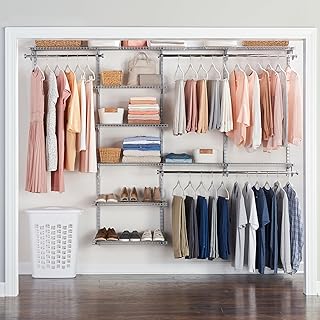
Rubbermaid Configurations Deluxe Custom Closet Kit 4-8 Ft.
Honestly, Rubbermaid Configurations Deluxe Custom Closet Kit 4-8 Ft. Adjustable surprised me — sturdier than it looks in the photos, and over 81 buyers gave it 4.5 stars.
4. Maximize Vertical Space with Adjustable Shelving and Risers

Wasted vertical space is a huge mistake. Most people just accept the shelf heights their builder installed. You don’t have to live like that. Adjustable shelving allows you to customize heights to fit items perfectly, from 14-inch cereal boxes to 3-inch spice jars. If you can’t adjust the shelves, use tiered risers. I bought the Copco Non-Skid 3-Tier Spice Pantry Kitchen Cabinet Organizer for around $8 on Amazon. It elevates smaller items and makes the labels visible. The non-skid texture on the steps grips glass jars so they don’t slide when you bump the shelf. I use a wider acrylic riser for my canned goods that don’t fit in the gravity track. It doubles the usable surface area of a 16-inch deep shelf. Before I used risers, I’d stack cans directly on top of each other. They’d topple over with a crash the second I tried to pull a box of crackers. Don’t do that. Use risers.
5. Zone Your Pantry for Efficiency

Group similar items together to create dedicated zones. This makes items easier to find and put away. Create a baking zone for flours and sugars, a snack zone for grab-and-go items, and a breakfast zone for cereals and oats. I use the Brightroom stackable lidded plastic containers from Target to contain these zones. They range from $5 to $15. I keep all my Trader Joe’s dried fruit and trail mix in one large bin labeled for snacks. Before I zoned my shelves, I’d have a bag of chocolate chips sitting next to a bottle of hot sauce, and a box of oatmeal hiding behind the extra paper towels. It was chaos. Now, when I need to bake banana bread, I pull out the entire baking bin. It holds my 1/2 cup measuring spoons, baking soda, vanilla extract, and brown sugar in one spot. It saves me from opening and closing the pantry door ten times while my hands are covered in mashed bananas. You might also like: 15 Inspiring Small Space Laundry Room Ideas to Steal Right Now
6. Label Everything Clearly and Consistently

Even with clear containers and zones, labels are crucial for maintaining your organization. They ensure everyone in your household knows where things belong. If you don’t label it, your kids or partner will dump the wrong snack into the wrong bin. I use chalkboard labels for my woven baskets. The Best Choice Products Woven Organizers come in a set of 4 for around $55, and they look beautiful with a white chalk marker. For glass jars, I prefer simple grease pencils. You can wipe the writing off with a soapy sponge when you wash the jar. Labeling is non-negotiable. I once mistook an unlabeled jar of baking soda for powdered sugar while making a glaze. The bitter taste was nauseating, and I had to throw the whole batch out. Now, I label the front of every bin. I even add the expiration date on a piece of masking tape on the bottom so I’m never guessing. You might also like: 15 Gorgeous Organizing Bathroom Home Hacks Ideas Worth Trying This Year

3-Tier Hanging Laundry Basket Organizer:Foldable Wire Shelf
3-Tier Hanging Laundry Basket Organizer:Foldable Wire Shelf Laundry Ro punches above its price — 518 buyers rated it 4.5 stars. I would buy it again.
7. Utilize Door Space with Over-the-Door Organizers

Don’t let the back of your pantry door go to waste. An over-the-door organizer can store bulky spices, condiments, loose snacks, or cleaning supplies. I recommend the Elfa Utility Door & Wall Rack. It’s available at The Container Store, and prices vary based on your configuration. It mounts securely to the door so it doesn’t bang against the wood every time you open it. If you’re on a tight budget, cheap plastic shoe holders from Walmart can be repurposed for smaller items. I use a $9 clear plastic shoe organizer to hold seasoning packets, 1-ounce boxes of raisins, and oranges. I tried this wrong for months. I originally bought a flimsy wire rack that hung over the door with thin hooks. It clanked every morning when I made coffee, and the baskets were so shallow that tall bottles of vinegar would tip over and crash. Buy something rigid and secure. It’s worth the money. You might also like: 15 Creative Dollar Tree Hacks Organizing Ideas for a Fresh New Look
8. Incorporate Lazy Susans for Corner and Deep Shelf Access

Lazy Susans are excellent for maximizing blind corner spaces. They make tiny items on deep shelves accessible with a quick spin. A 10-inch to 20-inch diameter non-skid Copco lazy Susan is perfect for oils, sauces, or spices. You can find them on Amazon for about $15. It allows you to grab exactly what you need without rummaging in the dark. Guzon also offers a 4-pack of clear plastic turntables for around $25. They have an 11.5-inch diameter and 3.5-inch tall sides. The tall sides are critical. I used to use a flat wooden turntable for my tall bottles of avocado oil and soy sauce. I spun it too fast, and a bottle of teriyaki sauce flew off, shattered on the tile, and sprayed sticky sauce all over my cabinets. The tall acrylic sides on the Guzon spinners keep everything contained, even if you give it an aggressive twirl.
9. Prioritize Sustainable Materials for a Fresh Look

Moving away from brittle, cheap plastic is a trend right now. I’m seeing a shift toward eco-friendly options like thick bamboo, solid wood, and woven baskets. Incorporating natural fiber bins into your pantry gives it a gorgeous, earthy aesthetic and durability. I love woven baskets like the Best Choice Products Water Hyacinth Pantry Baskets. A set of 4 runs for around $55. They have a natural smell when you unbox them, and the rough texture holds up to daily abuse. I use these massive baskets on my lowest shelves to hide ugly, brightly colored bags of chips and bulk paper towels. Ditching the flimsy neon plastic bins I bought at a dollar store five years ago changed the vibe of my kitchen. It feels calm and intentional now, rather than chaotic and cheap. Plus, the thick woven walls are rigid enough to stand up straight even when empty.
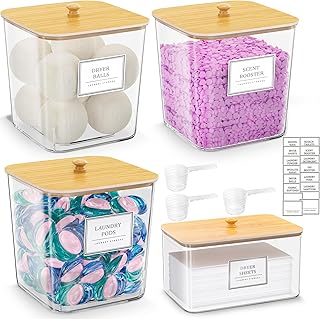
HomePekite Laundry Pods Storage Container
Honestly, HomePekite Laundry Pods Storage Container surprised me — sturdier than it looks in the photos, and over 15 buyers gave it 4.5 stars.
10. Illuminate Your Pantry with Intentional Lighting

Good lighting transforms a deep pantry from a dark, scary storage cave into a functional workspace. This is a priority for anyone struggling with organization. If you can’t see what’s in the back, you won’t use it. I recommend installing bright, motion-activated LED strips under every shelf. You can buy a 16-foot roll of battery-operated LED tape lights for about $18 online. They stick right to the bottom of the shelves. Before I added lights, I’d squint into the dark corners, trying to read the tiny print on a soup can. Last year, I found a black, moldy onion hiding in the shadowy back corner of my bottom shelf because it rolled out of its bag and I couldn’t see it. The smell was atrocious. Now, the second I open the door, clean white light floods every shelf. You can hire an electrician for a ceiling fixture, but cheap LED strips do the job for a fraction of the cost.
11. Measure Before You Buy Absolutely Anything

A common mistake is buying gorgeous organizers without measuring your shelves first. I’m guilty of this. I once bought $150 worth of rigid acrylic bins at Target because they looked perfect on the display. I got them home, ripped off the tags, and realized they were 14 inches deep while my shelves were only 12 inches deep. They hung off the edge, preventing the door from closing. I had to shamefully return a cart full of tagless bins. Before purchasing, grab a metal measuring tape. Measure the width, height, and depth of your shelves. Write it down in your phone. Most importantly, note any obstructions like thick door hinges, exposed pipes, or bulky shelf brackets. A 10-inch wide bin won’t fit in a 10-inch gap if there’s a half-inch metal bracket in the way. Taking five minutes to measure ensures that your products fit perfectly and actually utilize the space instead of creating a headache.
12. Stop Overstuffing Your Deep Pantry Shelves

Professional organizers emphasize a truth: you can’t organize clutter, you can only rearrange it. Overstuffing your shelves leads directly to items getting lost, forgotten, and thrown in the garbage. You have to embrace negative space. Leave empty room on your shelves for future grocery hauls or seasonal items. As professional organizer Stephanie Treantos advises, once the container is full, it’s full. No more cramming. I’ve got a habit of buying extra bags of tortilla chips and shoving them into an already packed snack bin. I’d crush half the chips into dust just trying to make the lid snap shut. It’s counterproductive. Now, if my pasta bin is full, I don’t buy more pasta until we eat what we’ve got. Leaving a gap of about three inches between bins makes the space look breathable. It also gives your hands enough clearance to grab a bin without knocking over the one next to it.

AMKUFO 6 Pack-Closet-Organizers-and-Storage
Honestly, AMKUFO 6 Pack-Closet-Organizers-and-Storage surprised me — sturdier than it looks in the photos, and over 52 buyers gave it 4.5 stars.
13. Utilize Under-Shelf Baskets for Hidden Storage

You can create extra storage space without taking up shelf real estate by using under-shelf baskets. These wire racks slide onto your existing solid shelves. They usually fit wooden shelves up to 1-inch thick. Note that these won’t work on ventilated wire shelving. Metaltex offers a variety of sizes, usually ranging from $12 to $20. I use a wide, shallow under-shelf basket to hold my heavy rolls of aluminum foil, parchment paper, and plastic wrap. Before I discovered these, those awkward cardboard boxes would roll around on top of my canned goods, falling on the floor whenever I reached for a can of tuna. Now, they slide into the dead air space just below the shelf above. It’s a fantastic hidden spot to stash small, delicate items like soft bags of hot dog buns or fragile taco shells that usually get crushed under heavier groceries.
14. Repurpose Rolling Plant Stands for Heavy Appliances

If you’ve got a walk-in pantry with floor space under the bottom shelf, you need this trick. For heavy items like a stand mixer, a ceramic slow cooker, or a bulky rice cooker, place them on heavy-duty rolling plant stands on the pantry floor. You can buy a sturdy wooden or metal plant caddy with caster wheels at any hardware store for about $15. This makes it easy to pull the appliance out with your foot when you need it. I threw out my back two years ago trying to lift my 25-pound KitchenAid mixer off a standard shelf. It’s a dense, awkward machine. Now, it sits on a small rolling wooden platform tucked under the bottom shelf. When I want to bake, I roll it out, lift it onto the counter, and roll the stand back. It prevents strain and utilizes that dusty, awkward floor space perfectly.
15. Create a Meal Prep-Focused Organization Zone

With the rise of Sunday meal prepping, organizing your pantry around this routine is a brilliant move. I dedicated one eye-level shelf strictly to meal prep ingredients. I use heavy, airtight glass jars to pre-portion dry ingredients for specific meals. For example, I’ve got four identical 16-ounce glass mason jars lined up, each containing 1/2 cup of rolled oats, 2 tablespoons of chia seeds, and a dash of cinnamon. On busy weekday mornings, I grab a jar, add almond milk, and I’m done. This streamlines my morning cooking and reduces the mess on my counters. Before I set up this zone, I’d drag out four different bags of ingredients every morning at 6 AM, inevitably spilling chia seeds all over the floor. Creating a specific meal prep zone helps you track exactly what inventory you’ve got left for the week.

Galasily 3 Pack Laundry Detergent Dispenser Container with
Galasily 3 Pack Laundry Detergent Dispenser Container with Tray has been one of the most consistently praised picks in this category. 114 reviewers averaged 4.5/5.
16. Use Deep Narrow Baskets for Root Vegetables

Root vegetables like potatoes, onions, and garlic need dark, dry, and well-ventilated storage. You can’t just toss them into a solid plastic bin, or they will rot fast. I learned this the hard way when I left a plastic bag of russet potatoes in the back corner of my pantry for a month. The smell of rotting, liquefied potatoes is something I wouldn’t wish on my worst enemy. It took days to scrub the stench out of the wood. Now, I use deep, narrow wire baskets lined with a thin cotton cloth. The wire allows for air circulation, while the cloth prevents onion skins from flaking all over your shelves. You can grab a simple wire basket at Target for about $12. Just make sure you never store your onions and potatoes in the same basket. Onions release a gas that causes potatoes to sprout and spoil much faster. I keep them in separate bins on opposite sides of my bottom shelf.
Honestly, tackling your pantry organization might take a full weekend, but I promise it’s the most rewarding project you’ll do this year. I’m no longer buying duplicate groceries, and I finally own a kitchen that works for me instead of against me. Grab a tape measure, order a few bins, and pull everything out. You’ve got this. If you found these tips helpful, please pin this article to your favorite home organization board on Pinterest so you can find it later when you’re standing in the aisle at Target trying to remember which bins to buy!
Frequently Asked Questions
What is the best way to organize a deep pantry?
The most effective method is using pull-out drawers or deep, rigid bins that slide out. This prevents items from getting lost in the back. Decanting dry goods into airtight containers and grouping items into specific zones also keeps the space tidy.
How do I stop losing food in deep cabinets?
Implement the First In, First Out (FIFO) method using gravity-fed can organizers. Also, install motion-activated LED lights under your shelves so you can actually see the back corners, and avoid overstuffing your bins.
Are lazy Susans good for deep pantry organization?
Yes, lazy Susans are perfect for deep shelves and blind corners. Choose turntables with tall sides (at least 3 inches) to prevent heavy bottles of oil or sauce from flying off when you spin them.
How deep should pantry shelves be?
Ideal pantry shelves are 12 to 16 inches deep. Anything deeper than 16 inches makes it incredibly difficult to reach items in the back without specialized pull-out hardware or extra-long sliding bins.
