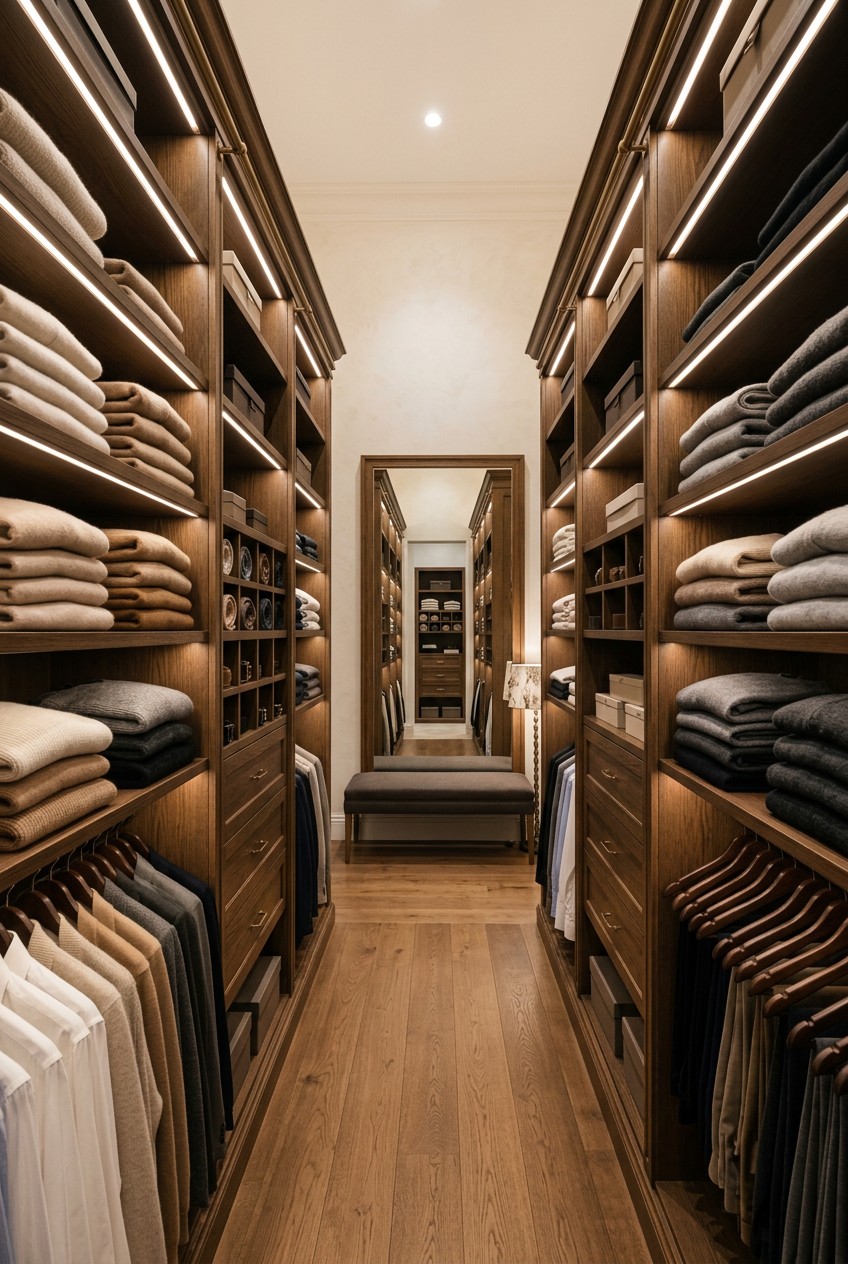
What’s Inside
- Always Fold Heavy Sweaters (Never Hang Them)
- Master the KonMari Vertical Fold for Drawers
- Utilize Shelf Dividers for Neat Stacks
- Employ Clear Stackable Bins for Shelf Storage
- Store Off-Season Sweaters in Vacuum-Sealed Bags
- Protect Delicate Sweaters with Acid-Free Tissue Paper
- Implement Natural Moth Repellents Like Cedar
- Color-Code Your Sweater Organization Closet System
- Use Fabric Bins with Clear Fronts for High Shelves
- Store Chunky Knits in Under-Bed Canvas Bags
- Line Your Drawers with Scented Shelf Paper
- Keep a Fabric Shaver Right Next to Your Stacks
- Separate Cashmere from Heavy Cotton Blends
- Install Canvas Hanging Organizers for Small Spaces
- Rotate Your Sweater Organization Closet Stacks Seasonally
Last November, I opened my bedroom closet doors and a literal avalanche of chunky knits buried my feet. Getting a functional sweater organization system in place became my top priority right then. I had a $150 oversized cream cardigan from Madewell tangled up with cheap wire hangers, smelling vaguely like old dust and desperation. I sat on the cold hardwood floor, surrounded by a mountain of scratchy wool and soft cashmere, feeling totally overwhelmed. I spent the next three months testing every storage method out there. I made a lot of mistakes. I ruined a vintage cashmere piece by sealing it up slightly damp. I bought the wrong plastic bins that cracked after a week. I tried folding things the wrong way for months before figuring it out. But I finally nailed down a system that actually works. We aren’t going to settle for a messy bedroom anymore. Let’s fix your closet together with methods that make sense for real life. I’m sharing the exact products, measurements, and routines I personally swear by. Skip the generic advice. You need a setup that protects your expensive clothes and makes getting dressed at 6 AM slightly less miserable.
1. Always Fold Heavy Sweaters (Never Hang Them)

A cardinal rule from professional organizers is to never hang heavy knit sweaters. If you own thick wool, delicate cashmere, or chunky cotton knits, keep them far away from wire or plastic hangers. Gravity causes these heavy materials to stretch downward constantly. This distorts their original shape and creates those unsightly shoulder bumps that ruin a good outfit. Folding preserves the sweater’s natural drape. In fact, keeping them folded flat can extend their wearable life by three to five years compared to hanging them. I learned that the hard way last Tuesday at Whole Foods. I caught my reflection in the freezer door glass and realized my favorite $135 thick wool cardigan looked totally deformed. The shoulders were stretched out by two inches on each side, poking up like little horns. I looked ridiculous standing there holding a $4.99 carton of oat milk. Skip the cheap plastic hangers entirely for your knits. They snap like dry twigs anyway under the weight of a thick winter garment. You’re better off clearing shelf space and folding them neatly. I could literally feel the rough wool fibers snapping as I pulled it off the plastic hanger that day. If you absolutely must hang a thin cardigan, you have to fold it over the bottom bar of a velvet hanger. Honestly, I don’t recommend even doing that. Just fold them. Your clothes won’t stretch out, and you won’t have to throw away expensive garments after a single season.
2. Master the KonMari Vertical Fold for Drawers

For deep dresser drawers, you absolutely have to embrace the KonMari method of vertical folding. This specific technique involves folding your sweaters into small, self-standing rectangles. This allows you to store them upright like files in a filing cabinet. This method doubles your storage capacity and provides an at-a-glance view of your entire collection. It eliminates the need to dig through messy piles to find your favorite black turtleneck. To execute this properly, lay the sweater face down on a flat surface. Fold both sides inward to create a long rectangle. Fold the sleeves back to fit within that shape. Then, fold the entire piece in half or thirds until it can stand on its own. The Japanese Organizing Association reports that vertical folding can increase drawer efficiency by up to 30%. I tried this wrong for months before figuring it out. I wasn’t folding them tight enough, so they just flopped over and created a wrinkled mess. You have to press firmly to get the air out of the fabric. Run your hands flat over the fabric to smooth out every wrinkle before you make the next fold. Once I nailed the technique, my morning routine got incredibly fast. I’m no longer ripping apart my drawers looking for one specific gray crewneck. It’s worth the learning curve.
3. Utilize Shelf Dividers for Neat Stacks

To maintain tidy piles on your closet shelves, you need to invest in sturdy shelf dividers. These simple tools prevent your stacks from toppling over and keep different categories separate. Brands like Lynk Vela offer excellent 12-inch tall shelf dividers. Boao and J&V Textiles provide clear acrylic options that look incredibly sleek. These are typically designed to fit shelves up to 0.75 to 0.9 inches thick. A set of two to eight dividers generally ranges from $10 to $40 depending on the brand. Pro tip: you must limit your stacks to no more than six sweaters high. Anything taller causes excessive compression on the bottom garments and makes it impossible to pull one out without ruining the whole pile. I made a huge mistake with this last month. I took a quick trip to Target, grabbed a $5 iced coffee, and bought a pack of cheap plastic dividers without measuring my shelves first. I was sipping an overpriced vanilla iced coffee, feeling super productive, but I ended up wasting twenty bucks on plastic that didn’t fit. My custom closet shelves are 1.5 inches thick. The standard dividers wouldn’t slide on at all. I actually scratched the white paint trying to force them. Always measure your shelf thickness before buying. Once you get the right fit, these dividers keep your stacks looking like a high-end boutique.
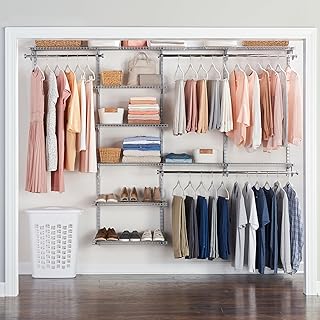
Rubbermaid Configurations Deluxe Custom Closet Kit 4-8 Ft.
A dependable everyday pick — Rubbermaid Configurations Deluxe Custom Closet Kit 4-8 Ft. Adjustable pulls in 81 ratings at 4.5 stars. Not flashy, just solid.
4. Employ Clear Stackable Bins for Shelf Storage

For an organized and dust-free solution, use clear, open-front stackable bins. These containers allow for easy visibility and quick access to your folded sweaters while keeping them neatly contained. You need to look for bins that are at least 10 to 12 inches deep to comfortably accommodate folded adult-sized garments. Professional organizer Martha-Carol Stewart highly recommends using clear fronts for this exact purpose. I personally swear by the Mainstays clear bins I found at Walmart for $8.98 each. They are thick, durable, and don’t have that awful cheap plastic smell. The plastic is crystal clear, not that cloudy, cheap-looking material that yellows over time. Most people get this wrong by buying opaque bins. If you can’t see what’s inside, you won’t wear it. I used to keep my winter gear in solid gray boxes on the top shelf. I completely forgot I owned three beautiful cable-knit pullovers until spring arrived. The open-front design is crucial because you don’t have to unstack the bins to grab a sweater from the bottom tier. Just reach in and pull it out. It saves so much time. Make sure you wipe the bins down with a damp microfiber cloth before putting your clothes inside to remove any manufacturing dust.
5. Store Off-Season Sweaters in Vacuum-Sealed Bags

For bulky off-season sweaters, vacuum-sealed bags are brilliant for reducing volume by up to 80%. This saves massive amounts of closet or storage space. Highly-rated brands include SpaceSaver Premium, which runs about $18.99 for a pack of six jumbo bags. Vacwel Jumbo and BoxLegend are also known for their durability and airtight seals. Here is a crucial pro tip: you must ensure your sweaters are completely dry before sealing them to prevent mold and unpleasant odors. I ruined a $200 cashmere piece three years ago by sealing it up slightly damp right after washing it. When I opened the bag in October, it smelled exactly like a wet dog and had black mildew spots. It went straight into the trash. Also, avoid using these bags for long-term storage (over six months) if you own delicate fabrics. Prolonged compression can cause permanent wrinkles or misshaping. I only use vacuum bags for my incredibly thick, heavy-duty winter snow sweaters. I press the air out with my vacuum hose, seal the double zipper tight, and slide them onto the top shelf. The hissing sound of the vacuum sucking the air out is honestly so satisfying. It frees up so much daily breathing room in my closet. You might also like: 20 Brilliant Indian Home Makeover Ideas for Any Style
6. Protect Delicate Sweaters with Acid-Free Tissue Paper

Here is a surprising tip that most people don’t know. When storing valuable or delicate sweaters for extended periods, interleave them with pH-neutral, unbuffered acid-free tissue paper. This specialized paper prevents color transfer, stops snags, prevents deep creases, and protects against deterioration from acidic materials found in regular tissue paper. Museum conservators often prefer unbuffered tissue specifically for animal fibers like wool and silk. Brands like Foster-Stephens or Gaylord Archival offer these in large 20 by 30-inch sheets or continuous rolls. A pack usually costs around $15.99. Regular gift-wrap tissue paper is treated with chemicals that will turn your white wool yellow over time. I learned this when I packed away my grandmother’s vintage cream cardigan using cheap dollar-store tissue paper. Two years later, it had awful yellow streaks that I couldn’t wash out. You have to lay a sheet of the acid-free paper flat, place your sweater on top, and fold the paper into the garment as you fold the sleeves inward. It creates a soft barrier that reduces friction. The paper feels incredibly smooth, almost like silk, and it doesn’t have that weird chemical smell that cheap wrapping paper has. It feels a bit extra, but if you’re storing a $300 cashmere piece, it’s worth the five minutes of effort to protect your investment. You might also like: 15 Creative Hacks Organizing Ideas You Need to See

5 Tier Closet Hanging Organizer
5 Tier Closet Hanging Organizer punches above its price — 1 buyers rated it 4.5 stars. I would buy it again.
7. Implement Natural Moth Repellents Like Cedar

You have to protect your natural fiber sweaters from moth damage using natural repellents. Cedar blocks, rings, or sachets are highly effective and impart a fresh, woodsy scent to your closet. I buy the Household Essentials brand cedar blocks for $9.99, or the Cedar Space hangers. To maintain their effectiveness, you must lightly sand the cedar products with fine-grit sandpaper every few months to renew their natural oils and scent. If you don’t sand them, they dry out and stop working completely. The smell of fresh cedar wood immediately makes your closet feel like a luxury hotel wardrobe. Lavender sachets offer another fragrant alternative if you hate the smell of cedar. Last month, I took a trip to Sprouts and bought a bulk bag of dried lavender buds. I tried to fill my own small muslin bags in my car, and I spilled 4 oz of dried lavender all over my floorboards. My car smelled aggressively floral for weeks. It was a mess, but the sachets I managed to make work perfectly. Place two tablespoons of lavender into a small cotton pouch and tuck it into the corners of your shelves. Never place essential oils directly on your clothing, as they will leave greasy stains that are impossible to remove. You might also like: 15 Cozy Room Cleaning Tips Organizing Ideas to Steal Right Now
8. Color-Code Your Sweater Organization Closet System

Building a color-coded sweater organization closet system isn’t just about making things look pretty for social media. It’s a functional way to get dressed faster. When you group your knits by color, your brain processes the visual information instantly. I arrange mine from light to dark: whites, creams, tans, grays, and then blacks. I keep the bright colors in a separate stack at the end. This prevents you from ripping apart three different piles just to find your one navy blue pullover. It looks like a beautiful rainbow gradient when you open the doors. I didn’t believe in color-coding until I tried it. I thought it was just a fussy aesthetic trend. But last winter, I was running late for a dinner reservation. I needed my specific charcoal gray turtleneck. Because my closet was a jumbled mess of mixed colors, I pulled the wrong gray sweater three times, destroying my neat stacks in the process. Now, I know exactly where the dark grays live. It takes two seconds to grab what I need. If you have patterned sweaters, group them by their dominant background color. This small visual shift makes your closet look like a calm, organized boutique instead of a chaotic thrift store clearance rack.
9. Use Fabric Bins with Clear Fronts for High Shelves

If you have high shelves that are difficult to reach, you need lightweight fabric bins with clear plastic windows. Professional organizer Martha-Carol Stewart recommends fabric bins because they are much lighter than hard plastic or acrylic containers. This makes them significantly easier to pull down from above your head safely. The clear window is non-negotiable. You have to be able to see exactly what’s inside without taking the bin down. I bought a set of Brightroom fabric bins from Target for $12 each. They measure 13 by 13 inches, which fits two stacks of folded sweaters side by side. The fabric is a soft, heathered gray that blends perfectly with white closet shelves. Before I switched to these, I was using heavy wooden crates on my top shelf. One morning, I tried to pull a crate down, lost my grip, and dropped twenty pounds of wood and wool directly onto my foot. It hurt for a week. The lightweight fabric bins slide off the shelf easily. They also have sturdy fabric handles sewn into the front. Just make sure you don’t overstuff them, or the clear plastic window will stretch out and eventually tear away from the fabric seams.

AMKUFO 6 Pack-Closet-Organizers-and-Storage
If you want something that just works, AMKUFO 6 Pack-Closet-Organizers-and-Storage is a safe bet (52 reviews, 4.5 stars).
10. Store Chunky Knits in Under-Bed Canvas Bags

When you don’t have enough closet shelf space, under-bed storage is your best friend. But you can’t just shove your sweaters under there loose. You need breathable canvas under-bed storage bags. I grabbed a two-pack of structured canvas bags from Costco for $19.99. They measure 36 inches long and have a clear zippered top. Canvas is vastly superior to plastic for under-bed storage because it allows air to circulate, preventing that stale, dusty smell from building up over the summer. I used to use those cheap, flimsy plastic under-bed bags. The zippers would always catch, and the plastic would rip if I pulled it too hard across the carpet. Dragging a heavy, ripped plastic bag on thick bedroom carpet is incredibly frustrating. The heavy-duty metal zippers on the canvas bags glide smoothly without catching on the fabric. The structured canvas ones hold their shape and usually feature reinforced side handles. I slide them right under my bed frame. It frees up at least two entire shelves in my main closet. Just be sure to measure the clearance under your bed before buying. You need at least 6 inches of vertical space for most standard under-bed bags to slide in and out smoothly.
11. Line Your Drawers with Scented Shelf Paper

If you’re storing sweaters in dresser drawers, you need to line the bottoms with high-quality scented shelf paper. Unfinished wood inside older dressers can snag delicate knits and often harbors a musty, antique smell that transfers directly to your clothing. I went on a Kroger run last week specifically to buy a roll of thick, cedar-scented drawer liner for $6.49. You just cut it to fit the exact dimensions of your drawer. It provides a smooth, protective barrier between the rough wood grain and your expensive fabrics. I used to skip this step because I thought it was something only grandmothers did. I was so wrong. I ruined a gorgeous silk-blend cardigan because a tiny splinter in my bottom drawer caught a thread and pulled a massive run straight down the back. Now, I line every single drawer. The paper has a slightly textured grip so it doesn’t slide around when you open and close the drawer. The scented paper also adds a subtle, clean fragrance to your clothes. If you don’t like scented paper, you can buy plain, non-adhesive vinyl liners. Just make sure you avoid the aggressively sticky contact paper. It leaves a horrible sticky residue on the wood if you ever try to remove it.
12. Keep a Fabric Shaver Right Next to Your Stacks

Organization isn’t just about where you put things; it’s about maintaining the items so they look good. You absolutely must keep a battery-operated fabric shaver right on the shelf next to your sweater stacks. I use the Conair handheld fabric shaver, which costs about $13.99. Friction from wearing your sweaters causes the short fibers to pill up under the arms and along the sides, making the garment look cheap and worn out. Having the shaver right there in the closet reminds me to quickly buzz off those annoying little pills before I put the sweater away. It takes maybe thirty seconds. The motor hums quietly, and you can see all the gross little fuzzballs collecting in the clear plastic lint catcher. I used to keep my fabric shaver buried in a laundry room drawer. Because it was out of sight, I never used it. I’d walk around in pill-covered sweaters looking totally unkempt. Now, I keep it in a small acrylic cup right next to my shelf dividers. When you shave a sweater, make sure you lay it completely flat on a hard surface. If you try to shave it while it’s wrinkled or draped over your knee, the sharp blades will catch a fold and cut a massive hole right through the fabric.

Ulif E10 Clothes Rack(With Stretchable Hanger
A dependable everyday pick — Ulif E10 Clothes Rack(With Stretchable Hanger Rod)Freestanding Clothin pulls in 926 ratings at 4.5 stars. Not flashy, just solid.
13. Separate Cashmere from Heavy Cotton Blends

You have to categorize your stacks by material, not just by color or style. Cashmere and delicate wools require different handling than heavy, durable cotton blends. If you stack a dense, three-pound cotton fisherman sweater on top of a wispy, delicate cashmere pullover, the weight will crush the delicate fibers and leave permanent crease marks. Cashmere is incredibly delicate, almost like spun sugar, while thick cotton feels like a heavy blanket. I always keep my lightweight animal fibers on the top shelves and my heavy cottons on the bottom shelves. I learned a tough lesson about fabric care during a quick trip to Trader Joe’s. I was wearing my favorite cotton-blend pullover and spilled hot coffee on it in the parking lot. Because it was cotton, I threw it straight into the regular wash with stain remover, and it came out fine. If I had done that to my cashmere, it would have shrunk to the size of a doll’s shirt. Keeping them separated in the closet reminds me mentally that they require different washing and care routines. It sounds like a tiny detail, but separating by fabric weight prevents your delicate pieces from getting crushed and keeps your laundry habits in check.
14. Install Canvas Hanging Organizers for Small Spaces

If you have a tiny closet with zero built-in shelving, a canvas hanging organizer is a lifesaver. These units strap directly onto your existing closet rod and provide instant vertical cubbies. I highly recommend the Whitmor 6-shelf canvas organizer, which you can usually find for around $14.88. Each cubby is roughly 11 inches wide and 10 inches tall, which perfectly holds one or two folded sweaters. The canvas is a thick, durable beige material with dark brown piping along the edges. You must choose canvas over the cheap, flimsy plastic versions. The plastic ones sag terribly in the middle under the weight of heavy knits, causing all your folded clothes to slide toward the center and wrinkle. I bought a cheap plastic one a few years ago, and within a week, the velcro strap at the top completely ripped off the rod. My sweaters crashed to the floor into a dusty heap. The heavy-duty canvas organizers have reinforced metal hooks at the top that won’t snap. Just remember that you can’t overstuff these cubbies. If you cram three chunky sweaters into a single slot, you won’t be able to pull one out without taking the whole pile with it. Keep it to one thick knit per cubby.
15. Rotate Your Sweater Organization Closet Stacks Seasonally

To keep your sweater organization closet system functioning perfectly year-round, you have to implement a strict seasonal rotation routine. You shouldn’t have heavy winter wool taking up prime real estate at eye level during the middle of July. Twice a year, take everything out. Move your heavy, dark winter knits to the top shelves or under-bed bins, and bring your lightweight, pastel spring cardigans down to the most accessible shelves. This is also the perfect time to wipe down your empty shelves with a simple mix of water and a drop of dish soap in a 4 oz spray bottle. Dust builds up incredibly fast in closets. You can literally see the dust motes dancing in the air if you shine a flashlight on a neglected shelf. If you don’t rotate and clean, the sweaters sitting at the bottom of your stacks will gather a thick layer of gray dust along the fold lines. I skipped my rotation routine one year because I was feeling lazy. By November, the sweaters that had been sitting untouched since March smelled incredibly stale and had visible dust lines that I had to scrub out. Taking twenty minutes to swap your stacks out every six months keeps your clothes smelling fresh and your daily routine efficient.
Honestly, fixing your closet doesn’t have to be a miserable weekend chore. By just adding a few shelf dividers, switching to vertical folding, and keeping those heavy knits off wire hangers, you’ll save yourself so much daily frustration. I personally swear by the clear bins and the cedar blocks. They make my space feel clean, intentional, and actually usable. Don’t try to buy everything at once. Pick two or three of these methods, grab some supplies, and start with just one shelf. If you found this helpful, definitely pin this article to your home organization boards so you can reference the exact measurements and brands later when you’re standing in the store aisle!

SNSLXH 5 Pack Stackable Closet Storage Basket
A dependable everyday pick — SNSLXH 5 Pack Stackable Closet Storage Basket pulls in 39 ratings at 4.5 stars. Not flashy, just solid.
Frequently Asked Questions
How do you properly store thick winter sweaters?
You should always fold thick winter sweaters instead of hanging them. Hanging causes heavy knits to stretch and creates shoulder bumps. Use shelf dividers or clear stackable bins to keep folded piles neat.
Is it better to hang or fold sweaters?
It is always better to fold sweaters. Gravity pulls on hanging knits, which distorts their shape and can ruin the shoulders. Folding them flat extends their wearable life by several years.
How do you keep sweaters smelling fresh in a closet?
Use natural repellents like cedar blocks or lavender sachets tucked into the corners of your shelves. You also need to rotate your stacks seasonally and ensure clothes are completely dry before storing.
Can I use vacuum bags for cashmere?
You shouldn’t use vacuum bags for delicate fabrics like cashmere for more than six months. Prolonged compression causes permanent wrinkles and damages the delicate animal fibers. Use acid-free tissue paper instead.
