
What’s Inside
- Declutter Ruthlessly with the One In, One Out Rule
- Maximize Vertical Space with Modular Systems
- Swap to Slim Velvet Hangers for Small Apartment Closet Organization
- Install Double Hanging Rods for Shorter Garments
- Stop Hanging Sweaters and Denim
- Implement Clear Drawer Dividers and Organizers
- Maximize Over-the-Door Storage for Small Apartment Closet Organization
- Add Stick-On LED Lighting to Dark Corners
- Store Out-of-Season Bulky Items in Vacuum Bags
- Keep Folded Stacks Neat with Acrylic Shelf Dividers
- Slide an IKEA KALLAX Under Your Hanging Clothes
- Use Pegboards for Customizable Wall Storage
Last November, the wire shelf in my bedroom closet ripped out of the drywall at 2 AM. It buried my shoes under forty pounds of winter coats. The sound was like a car crash inside my tiny bedroom. That 2 AM disaster forced me to figure out small apartment closet organization because my landlord wasn’t going to fix it. I spent three weeks measuring every inch of my 4-foot wide space, testing different bins, and returning half the stuff I bought.
I tried this wrong for months before figuring it out. I used to buy random plastic bins at Target hoping they’d magically fix my clutter. They didn’t. They just gave me more containers to shove junk into. You can’t buy your way out of a cluttered closet without a plan. The reality of a tight space is that every inch of vertical real estate matters. If you’re tired of pulling out wrinkled shirts or digging through a pile of mismatched shoes every morning, I’ve got the exact measurements, brand names, and systems that work. Let’s look at the strategies that finally stopped my clothes from ending up in a permanent pile on the floor.
1. Declutter Ruthlessly with the One In, One Out Rule

Before you spend a dollar on organizing products, empty the closet completely. I know it’s annoying. Last Tuesday, I pulled everything out of my hallway coat closet and dumped it on the living room floor. The dusty smell of old wool coats was overwhelming. But seeing the massive pile is the only way to realize how much stuff you actually own. Professional organizers say less is more. Keep items you wear frequently or hold genuine sentimental value.
I used to keep jeans that hadn’t fit since 2019, convincing myself I’d wear them again. It’s a common mistake that eats up shelf space. Sort everything into strict “keep,” “donate,” and “discard” piles. I grabbed a box of 33-gallon Hefty trash bags from Costco (around $18 for a box of 90) and filled three with clothes to donate. Once you pare down, adopt the “one in, one out” rule. For every new sweater or pair of shoes you bring home, an old one has to leave. I keep a dedicated cardboard box at the bottom of my closet just for donations. When it’s full, I drive it straight to the thrift store. This simple habit stops the slow creep of clutter from ruining your space.
2. Maximize Vertical Space with Modular Systems

The standard single wire shelf and rod setup is the worst use of space. Modular and customizable systems let you adapt the storage to your needs. If you have the budget, brands like John Louis Home offer real wood systems that cost between $600 and $1,400. They can be cut to fit exactly. By trimming the shelves and rods, you can recover 6 to 10 inches of usable space in a standard 4-foot closet. I love the smell of real cedar, but that price tag wasn’t happening for my rental.
Instead, I bought the Rubbermaid Configurations Closet Kit for about $120 at Home Depot. It’s a massive upgrade from the basic wire shelf. The metal tracks screw directly into the wall, and you can move the shelves and rods up or down whenever your wardrobe changes. I made a huge mistake during installation, though. I didn’t use the heavy-duty drywall anchors they provided, and the track started pulling away from the wall after three days. Always use the heavy-duty anchors. Another budget-friendly option is the ClosetMaid SuiteSymphony system, which gives you that built-in look with modular laminate pieces. Upgrading the skeleton of your closet makes everything else easier to organize.
3. Swap to Slim Velvet Hangers for Small Apartment Closet Organization

Using bulky, mismatched plastic tubular hangers is the fastest way to waste space. I kept a random assortment of thick plastic hangers from Walmart and wire ones from the dry cleaner for years. They tangled constantly, and the thick plastic takes up nearly an inch of horizontal space per hanger. Switching to slim, non-slip velvet hangers is a mandatory step for small apartment closet organization. They allow you to store significantly more clothing in the same footprint.
I bought two 50-packs of Amazon Basics velvet hangers for $16.99 each. The fuzzy velvet texture catches silk shirts and wide-neck blouses perfectly, stopping them from slipping off into a heap. I’ve used these for two years, and the uniform look makes the closet feel less chaotic. There’s one honest negative, though. You can’t put wet clothes on velvet hangers because the black dye can transfer to damp fabric. I ruined a white linen shirt learning that lesson the hard way. Always dry your clothes completely before hanging them. Stick to one single color of hanger (I chose black) for the entire closet. It visually calms the space and makes your clothes the focus, not the plastic hardware. You might also like: 15 Cozy Room Cleaning Tips Organizing Ideas to Steal Right Now
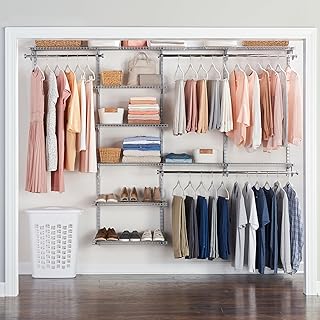
Rubbermaid Configurations Deluxe Custom Closet Kit 4-8 Ft.
A dependable everyday pick — Rubbermaid Configurations Deluxe Custom Closet Kit 4-8 Ft. Adjustable pulls in 81 ratings at 4.5 stars. Not flashy, just solid.
4. Install Double Hanging Rods for Shorter Garments

Most of our clothes aren’t floor-length gowns or long trench coats. Shirts, blouses, folded pants, and blazers only need about 36 to 40 inches of vertical drop. If you only have one high rod, you’re wasting three feet of empty air below your shirts. To double your hanging capacity, install a second rod below your existing one. This is the easiest weekend project that doesn’t require power tools. You might also like: 20 Inspiring Organizing Storage Home Hacks Ideas for Any Style
I picked up a Room Essentials adjustable tension closet rod at Target for $15. It hangs directly from the top rod using two vertical metal hooks. I adjusted the height so my jeans fold over the bottom rod, leaving just enough clearance above the floor for my shoes. It’s crucial to ensure there’s at least 1/4 inch of space between hangers on both rods to avoid crowding. If you pack them too tight, the metal hooks scrape together, and you’ll wrinkle your clothes just trying to pull them out. Pro tip: put your out-of-season items on the bottom rod. Bending down every morning to grab your favorite work shirt gets old fast. Keep the daily staples at eye level on the top rod. You might also like: 15 Small Closet Organization Ideas That Actually Work
5. Stop Hanging Sweaters and Denim

You shouldn’t hang everything in your closet. Expert JP Taxman of Relief Key advises against hanging heavy knits, and I learned this the hard way. Last winter, I hung a heavy $80 wool sweater from Madewell on a standard hanger. After a month, the weight of the wool stretched the shoulders out completely, leaving permanent, awkward shoulder bumps that made the sweater unwearable. Sweaters, heavy t-shirts, and thick denim are always better folded.
Hanging these items ruins their shape and eats up premium rod space. I’d much rather fold my jeans and stack them on a shelf. Denim is sturdy enough to hold a neat fold without wrinkling. I dedicate the top shelf of my closet to folded sweaters. I fold them in thirds so they stack neatly. If you’re short on shelf space, rolling your casual t-shirts and placing them in a fabric bin works perfectly. You can fit twenty rolled t-shirts into a standard 11-inch storage cube. Save the hanging space for items that need it, like silk blouses, linen pants, dresses, and structured jackets. Your clothes will last longer, and your closet won’t feel nearly as cramped.
6. Implement Clear Drawer Dividers and Organizers

Throwing socks, underwear, and belts into a dark drawer is a recipe for a chaotic morning. Without boundaries, smaller items migrate around the drawer every time you open it. Drawer dividers are essential to prevent this mess. I tried using cheap fabric bins from the dollar store, but they collapsed and collected dust.
I switched to clear plastic options because you can see the contents at a glance. I bought the mDesign Plastic Stackable Closet Storage Bins from Walmart (they usually run under $20 for a set of four). I use the 10-inch by 6-inch size for my socks and the larger 12-inch ones for bras and underwear. The hard plastic is easy to wipe down with a damp cloth. A common mistake is buying wire mesh dividers. I tried those first, and the sharp metal edges snagged the lace on my underwear, ruining two pairs. Stick to smooth, clear acrylic or solid plastic. When everything has a designated, walled-off section, you aren’t digging blindly through a pile at 6 AM.

Timate P3 Wall Mounted Closet Organizer System with 5
Honestly, Timate P3 Wall Mounted Closet Organizer System with 5 Hanging Rods surprised me — sturdier than it looks in the photos, and over 7 buyers gave it 4.5 stars.
7. Maximize Over-the-Door Storage for Small Apartment Closet Organization

The back of your closet door is totally unused vertical real estate. If you have a standard swing door rather than sliding tracks, you’re sitting on at least fifteen square feet of potential storage. I ignored my door for years until I ran out of shelf space for my scarves and small purses. Proper small apartment closet organization requires using every flat surface available.
I ordered the Kaiferty Over-The-Door Organizer With Hooks for about $19 on Amazon. It has clear vinyl pockets that hold my rolled belts, winter gloves, and small crossbody bags. Another solid option is the SONGMICS Over-the-Door Storage rack for $15.99, which is great for shoes. Before you buy one, measure the gap between the top of your door and the door frame. I originally bought a heavy-duty metal rack from The Container Store, but the over-door hooks were too thick. I couldn’t close my closet door without scraping the paint off the doorframe. Look for organizers with ultra-thin metal hooks. Storing your everyday accessories on the door keeps them visible and frees up shelf space for bulkier items.
8. Add Stick-On LED Lighting to Dark Corners

Most apartment closets have terrible lighting. Mine has a single, dim yellow bulb in the center of the ceiling. The corners are basically black holes where shoes disappear. Built-in lighting is a huge trend, enhancing visibility and making the closet feel like a boutique rather than a damp cave. You don’t need an electrician to fix this.
I bought a 5-pack of battery-operated LED stick-on puck lights for $14.99 at Target. I stuck two under the bottom shelf to illuminate my shoe rack and one on the side wall near my dark coats. The difference is massive. I can actually tell my navy blue pants from my black pants before I leave the house. Be careful with the color temperature, though. I accidentally bought 6000K “daylight” bulbs first, and the harsh blue light made my closet look like a hospital operating room. It was awful. I swapped them for 3000K “warm white” lights, which look natural and flattering. Some people use LED strip lights along the hanging rods, but I prefer the puck lights because they’re easier to replace when the AAA batteries die.
9. Store Out-of-Season Bulky Items in Vacuum Bags

Winter coats, thick down comforters, and ski gear take up a ridiculous amount of space for items you only use three months a year. Leaving a massive puffer jacket hanging in your closet during July is a waste of space. For bulky seasonal clothing, vacuum storage bags solve the problem. Trust me on this.
I bought the upsimples Vacuum Storage Bags at Costco. A 5-pack usually costs around $24.99 and includes various sizes. You pack the clothes inside, seal the double-zip track, and use your normal vacuum hose to suck the air out. The hissing sound as a giant pile of sweaters shrinks down to a flat pancake is satisfying. It reduces the volume by up to 80% and protects the fabric from dust, dirt, moisture, and odors. I slide these flattened bags under my bed. One warning: don’t vacuum-seal leather jackets or real down sleeping bags. I ruined a vintage leather jacket doing this because the intense compression caused permanent creases that never relaxed. Stick to cotton, wool blends, and synthetic puffers.
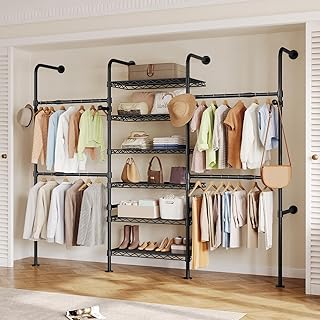
Closet Organizers and Storage
A dependable everyday pick — Closet Organizers and Storage pulls in 39 ratings at 4.5 stars. Not flashy, just solid.
10. Keep Folded Stacks Neat with Acrylic Shelf Dividers

If you stack folded clothes on a wide top shelf, they will eventually fall over. It’s just physics. You pull a shirt from the middle of the stack, and the whole tower leans to the side, creating a wrinkled pile. To keep stacks of folded clothes, linens, or handbags neat, you need physical barriers. Shelf dividers are the best way to enforce order on an open shelf.
I use the J&V Textiles Acrylic Closet Shelf Divider and Separator, which costs between $26.99 and $36.99 for a set. They slide directly onto standard 3/4-inch wood shelves. The clear acrylic looks clean and doesn’t chop up the space like opaque plastic would. I place one divider every 10 inches along my top shelf. This creates perfect little cubbies for my folded jeans and thick sweaters. I highly recommend clear acrylic over the cheap wire versions. I bought wire dividers from Walmart a few years ago, and my leather purses kept slipping through the wide gaps. The wire also left permanent indentations on the soft leather of my favorite tote bag. Solid acrylic panels keep everything upright and protected.
11. Slide an IKEA KALLAX Under Your Hanging Clothes

If you have high ceilings and don’t want to install a double rod, you probably have three feet of empty space below your hanging shirts. Putting loose shoes on the floor is a waste of that volume. A trick for maximizing this floor space is to place a small dresser or a cubby unit directly inside the closet.
I measured the gap under my blouses and realized a two-cubby IKEA KALLAX unit fit perfectly. It costs around $35, and the white laminate finish matches my baseboards. I slid it right against the back wall. The top surface acts as a low shelf for my boots, and the two 13×13 inch cubbies hold fabric bins full of gym clothes and pajamas. It’s a cheap way to add drawer-style storage without buying a custom closet system. Just make sure you measure the depth of your closet before buying furniture. Standard hangers need about 20 inches of depth. If your closet is shallow, the KALLAX (which is 15.375 inches deep) might stick out too far and block the door. Always measure twice before hauling flat-pack furniture up three flights of apartment stairs.
12. Use Pegboards for Customizable Wall Storage

Most closets have at least one blank side wall that’s too narrow for shelves but too big to leave empty. For a customizable storage solution, install a pegboard. It’s an old garage storage trick that works perfectly in a bedroom closet. You can add hooks, small shelves, and wire baskets to store accessories, jewelry, scarves, or even small lint rollers.
I bought a 24×48 inch white pegboard from Lowe’s for $22. I mounted it on the right side wall of my closet using 1/2-inch spacers so the hooks could slide into the holes. I hang all my long necklaces on simple metal hooks so they don’t tangle. I also use a small wire basket attachment to hold my sunglasses and watch. Here’s a lesser-known hack I use on the shelf right next to the pegboard: I buy cheap foam pool noodles from the dollar store, cut them into 10-inch sections, and stuff them inside my tall leather boots and soft handbags. It maintains their shape, stops them from collapsing, and makes them easy to store upright. The pegboard keeps the small clutter off the shelves, leaving room for the bags and boots.
Organizing a tiny closet takes trial and error, but getting the right systems in place changes your morning routine. I’d recommend starting with the velvet hangers and the clear drawer dividers first, as they give you the biggest visual impact for the lowest cost. If you found these tips helpful, save or pin this article so you can reference the exact measurements and brand names the next time you’re standing in the storage aisle at Target.

Kmiectse Clear Storage Bins with Lids
If you want something that just works, Kmiectse Clear Storage Bins with Lids – 4 Tier Plastic Bins with Wheel is a safe bet (2 reviews, 4.5 stars).
Frequently Asked Questions
How do I organize a small apartment closet on a budget?
Start by ruthlessly decluttering using the ‘one in, one out’ rule. Then, swap bulky hangers for slim velvet ones, add a $15 tension rod to double your hanging space, and use cheap clear bins for drawer organization.
What should I fold instead of hang in a small closet?
Heavy sweaters, thick denim jeans, and basic t-shirts should always be folded. Hanging heavy knits will stretch out the shoulders and ruin the garment’s shape, while also eating up valuable hanging rod space.
Are custom closet systems worth it for small apartments?
If you rent, expensive custom wood systems aren’t ideal. Instead, use modular wire track systems like the Rubbermaid Configurations kit. They cost around $120, screw directly into the wall, and let you adjust shelves as needed.
How can I store bulky winter coats in a small closet?
Use vacuum storage bags for heavy coats and out-of-season bedding. A good vacuum bag can compress bulky items by up to 80%, allowing you to easily slide them under your bed or onto the highest closet shelf.
