What’s Inside
- Declutter Ruthlessly Before Buying A Single Bin
- Maximize Vertical Space with Modular Systems
- Sneak in a Multi-Functional Bench with Storage
- Designate Personalized Zones for Each Family Member
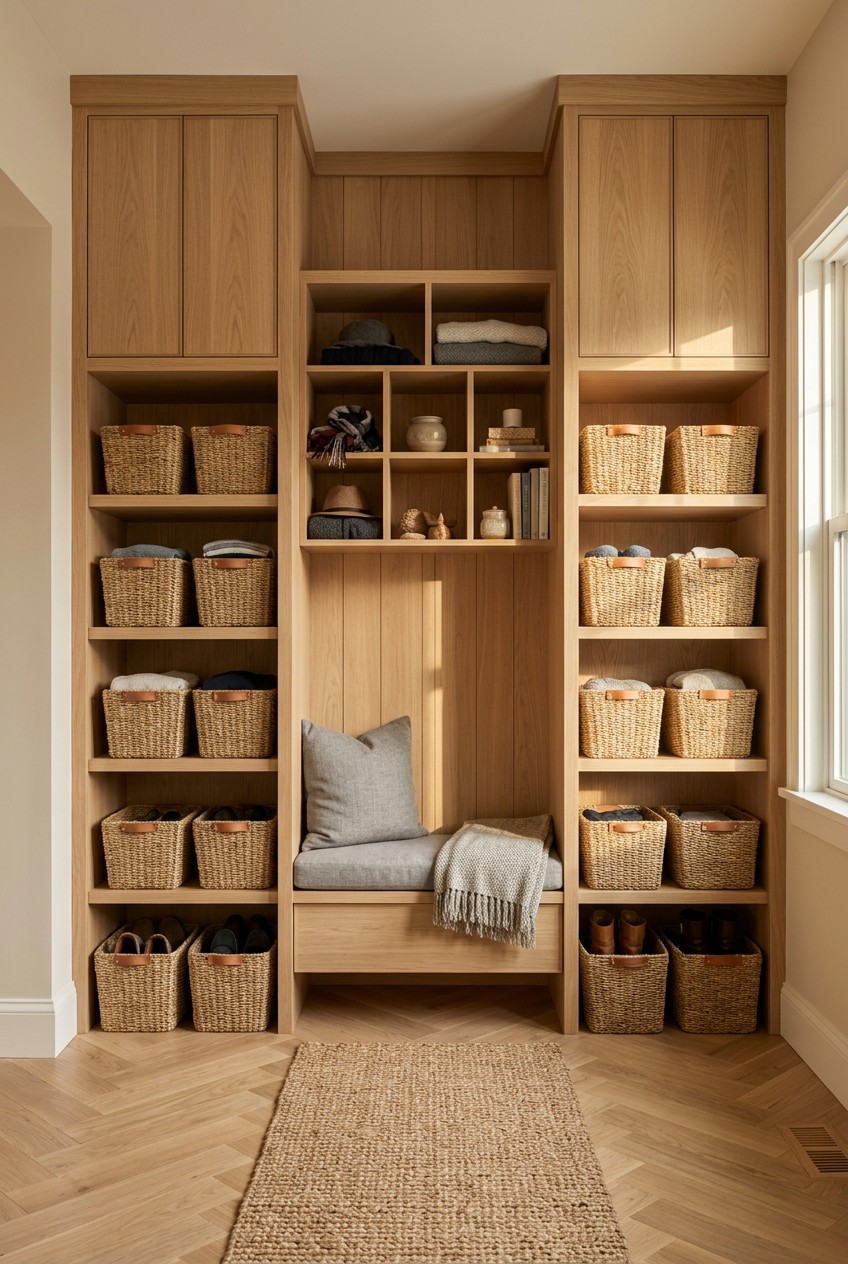
- Ditch Plastic for Natural Materials
- Exploit the Back of the Closet Door
- Stop the Shoe Pile Madness
- Build a Dedicated Mail and Key Drop Zone
- Use Discreet Labeling for a Clean Look
- Shove Seasonal Items to the Top Shelves
- Hide a Tiny Clothing Care Kit Inside
- Add Battery-Operated Motion Lights
- Keep a Dedicated Donation Bin Handy
Let’s start with a total disaster. Last Tuesday at Whole Foods, I bought a $6.99 32 oz bottle of organic maple syrup, came home, and tried to shove my heavy winter coat into my hallway closet. The flimsy wire rack collapsed, burying me in wool, muddy boots, and a rogue tennis racket while the syrup shattered across the tile. That sticky, expensive mess forced me to finally fix my entry closet for good. If your coat closet smells like old shoes and anxiety, I’m right there with you. I struggled for months before figuring it out. I bought random plastic bins that didn’t fit, shoved sneakers into dark corners, and hoped for the best. It was a nightmare. Now, I’m sharing the exact steps and products that actually work to keep this space functional. Skip the generic advice. We’re getting into the dirty details of measurements, real prices, and the mistakes you need to avoid. It’s worth it. Trust me.
1. Declutter Ruthlessly Before Buying A Single Bin

Before you buy anything, empty the closet. Every single item. Sort everything into keep, donate, and discard piles. Categorize what you keep by how often you use it. Experts stress this to avoid just reorganizing your clutter. A common mistake is skipping this, which leads to an inefficient space. I used to just shuffle junk around, thinking a new basket would fix my hoarding. It didn’t. Last month, I pulled everything out and found three broken umbrellas and a crusty snow boot from 2019. The smell was intense. I grabbed a box of 13-gallon Hefty trash bags ($11.49 at Target) and tossed anything broken. If you aren’t wearing that itchy scarf, donate it. Your system has to be built on actual needs, not some fantasy version of yourself who might go ice skating. Once it’s bare, wipe the shelves with a damp cloth and 2 tablespoons of distilled white vinegar mixed with water. The sharp, clean smell of vinegar is the perfect blank slate.
2. Maximize Vertical Space with Modular Systems

Install a modular system to use every inch from floor to ceiling. Options like the Elfa Decor Entry Closet System from The Container Store are customizable. Costs range from a few hundred to over $1,000. For a cheaper approach, I love the Rubbermaid Configurations Deluxe Closet Kit. It runs $75 to $175 for basic kits, plus accessories. I swear by the Rubbermaid setup. I installed it on a Saturday. My arms ached from drilling into the drywall, and the white dust got everywhere, but it was worth it. For coats, standard rod heights are 42 inches for lower rods and 80 to 84 inches for upper rods. You want shelves about 2.5 inches below the rods. This trend focuses on vertical shelving to maximize space in smaller homes. Hang your lower rod any lower than 42 inches and your winter coats will drag, gathering dust and dog hair. I made that mistake and ruined the hem of a $200 wool coat. Learned that the hard way.
3. Sneak in a Multi-Functional Bench with Storage

Integrate an entryway bench that doubles as storage. Brands like IKEA offer the HEMNES Bench for about $100 to $150. They also have the TJUSIG Bench for $80 to $120. These provide seating and hidden compartments. Standard benches are 36 to 48 inches wide and 16 to 18 inches tall. It’s perfect for putting on shoes. Many models feature hinged tops or drawers. This is a great way to turn an entryway into a high-functioning drop zone. I have the IKEA HEMNES bench right inside my door. Assembling it took two hours of frustrating Allen wrench turning, and I pinched my finger in the hinge, but it’s vital. Sitting on a cold, hard tile floor to tie wet boots is miserable. The bench gives you a sturdy place to sit while hiding your muddiest gardening clogs. I keep a 16 oz bottle of leather protectant spray inside the drawer so I can treat my boots before heading out into the rain.

AMKUFO 6 Pack-Closet-Organizers-and-Storage
AMKUFO 6 Pack-Closet-Organizers-and-Storage has been one of the most consistently praised picks in this category. 52 reviewers averaged 4.5/5.
4. Designate Personalized Zones for Each Family Member

Assign specific hooks, bins, or shelves for each person’s essentials. Use color-coded containers or personalized hooks to keep things clear. The easier the system, the more everyone will actually follow it. I used to throw all our hats and gloves into one massive wicker basket. Every morning was a screaming match because my husband couldn’t find his left glove. Now, I use the Brightroom 11-inch fabric cube storage bins from Target. They’re $5.00 each. I bought a charcoal gray one for my husband, a navy blue one for me, and a bright yellow one for the dog’s leashes and waste bags. Having a visual boundary stops the clutter creep. If my husband’s bin overflows with receipts and old caps, that’s his mess to manage, not mine. It isolates the chaos and keeps shared areas clean. You might also like: 15 Inspiring Small Space Laundry Room Ideas to Steal Right Now
5. Ditch Plastic for Natural Materials

Move away from plastic and acrylic bins on your open shelves. A big trend is using natural fibers like seagrass, bamboo, rattan, and wood. The Container Store has decorative baskets made from renewable materials. Prices range from $15 to $50 depending on the size. It provides a warmer, more textural look. I used to buy cheap, brittle plastic bins. They’d crack after a month, and the sharp edges would snag my knit sweaters. Plus, they gave off a weird chemical smell. I swapped them for Better Homes & Gardens rattan baskets from Walmart for $17.48 each. The earthy texture looks so much better, and they smell like dried grass instead of a chemical factory. They hide the visual clutter of mismatched mittens while letting the fabrics breathe so they don’t get musty. You might also like: 15 Gorgeous Organizing Bathroom Home Hacks Ideas Worth Trying This Year
6. Exploit the Back of the Closet Door

This overlooked space can boost your capacity. Install an over-the-door organizer, like the Elfa Utility Door & Wall Rack from The Container Store. It costs around $140.00 and holds shoes, accessories, or cleaning supplies. Simple over-the-door hooks also work for bags and scarves. This adds storage without taking up floor space. I ignored the back of my door for years. It was just a flat white surface. Then I bought a cheap $9.99 cloth shoe organizer, and it ripped within a week from the weight of my winter boots. Don’t buy the flimsy cloth ones. Invest in a rigid metal track. I use my Elfa rack to store bulky items I buy at Costco. It perfectly holds a 4-pack of Kirkland signature lint rollers ($12.99) and a 3-pack of Clorox wipes. The metal baskets are sturdy. Just stick small felt pads—the 1/2 inch kind for chair legs—to the back of the baskets. Otherwise, they’ll loudly bang against the hollow door every time you open it. You might also like: 20 Inspiring Organizing Storage Home Hacks Ideas for Any Style
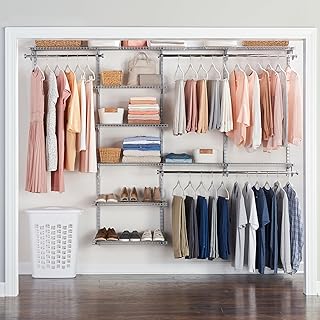
Rubbermaid Configurations Deluxe Custom Closet Kit 4-8 Ft.
If you want something that just works, Rubbermaid Configurations Deluxe Custom Closet Kit 4-8 Ft. Adjustable is a safe bet (81 reviews, 4.5 stars).
7. Stop the Shoe Pile Madness

Prevent shoe piles and tripping hazards with dedicated storage. Opt for tiered racks, clear bins, or narrow shelves. A shelf depth of 10 to 12 inches is enough for one pair of shoes. Stackable shoe bins, like the Brightroom 6qt Clear Storage Box from Target, cost around $1.25 each. They keep footwear visible. I used to just kick my shoes into the bottom of the closet. The result was a layer of crunchy mud on the floor and scuffed leather on my work heels. The 6qt clear boxes changed everything. They’re the right size for sneakers and flats. For taller boots, you’ll need the 15qt size ($3.00 each). The hard plastic protects shoes from getting crushed by heavy coats. Plus, you can wipe the dried dirt out of the plastic bins with a paper towel instead of vacuuming the dark corners of the closet floor every week.
8. Build a Dedicated Mail and Key Drop Zone

Install a wall-mounted organizer near the door for mail, keys, and essentials. You can build DIY options using 1×4 and 2×4 lumber for under $100. Pre-made solutions like the Umbra Estique Over-the-Door Organizer run about $20 to $30. You can also find a simple wall-mounted shelf with hooks from IKEA or Amazon for $20 to $50. An actionable tip is to immediately place keys and wallets in a bowl on a console table. I used to drop my keys wherever. They’d end up buried under a pile of junk mail on the kitchen counter. I bought a beautiful ceramic bowl from Trader Joe’s for $3.99. It sits right on the shelf inside my entry closet. The clink of keys hitting the ceramic bowl is my daily cue that I’m home. I attached a wire basket right next to it for mail. If you don’t contain the paper clutter, it will spread like a virus across your house.
9. Use Discreet Labeling for a Clean Look

The current trend in labeling favors subtle options that identify contents without being a distraction. Consider elegant label holders, like those from NEAT Method, for a refined aesthetic. They cost about $18.00 for a set of brass holders. Labels are essential for maintaining an organized system. For a long time, I used a thick black Sharpie on strips of masking tape. It looked tacky. The tape would dry out, curl at the edges, and fall off, leaving a sticky residue. Upgrading to metal clip-on labels changed the vibe from a messy dorm room to a high-end boutique. I print labels using a Brother P-Touch label maker with black ink on clear tape. It’s subtle but effective. When guests come over, they instantly know where to put their umbrellas without having to ask.

VIPEK V5 Heavy Duty Clothes Rack
VIPEK V5 Heavy Duty Clothes Rack has been one of the most consistently praised picks in this category. 56 reviewers averaged 4.5/5.
10. Shove Seasonal Items to the Top Shelves

Reserve the top shelves for items you don’t need daily, like winter coats or holiday decor. I use the ClosetMaid Modular Storage Closet System for my upper shelves. Use clear, lidded storage bins, like the Brightroom 56qt Clear Non-Latching Storage Box from Target. They cost around $7.00 each. This provides easy visibility and protection from dust. I’m short, so reaching the top shelf is a pain. I used to keep my daily gym bag up there, which meant dragging a step stool out every morning at 6 AM. It was infuriating. Now, the top shelf is strictly for things I touch twice a year. I pack my heavy wool winter coats into the 56qt bins along with 2 cedar blocks ($4.99 at Target) to keep the moths away. The cedar smells like a fresh forest and keeps the wool from smelling musty during the summer.
11. Hide a Tiny Clothing Care Kit Inside

A surprising tip is to keep a compact clothing care kit in your entry closet. Include essentials like a lint roller, stain remover wipes, a fabric shaver, and a mini sewing kit. I keep mine in a small 4×6 inch acrylic drawer. Last winter, I was rushing out for a date and spilled coffee on my white blouse. Because I had my care kit right there, I grabbed my 4 oz bottle of natural stain remover from Sprouts ($5.99) and fixed it in ten seconds. If I had to run upstairs, I’d have been late. I also keep a Conair battery-operated fabric shaver ($14.99) in there. When I notice those ugly little pills on a sweater, I can buzz them off right before I walk out. It’s a tiny addition, but it saves you from walking out looking unkempt.
12. Add Battery-Operated Motion Lights

Most entry closets are dark, deep, and lack lighting. You can’t organize what you can’t see. I recommend battery-operated motion sensor lights. I use the GE Wireless LED Puck Lights. You can get a 3-pack at Target for $15.99. They stick to the ceiling or the bottom of shelves with adhesive pads. Before I installed these, I was constantly using my iPhone flashlight while holding a heavy coat with my chin just to find a matching pair of gloves. It was ridiculous. The motion sensors are brilliant. The second I open the door, the LEDs flood the space with light. Just clean the surface with rubbing alcohol before you stick the pads on. I tried sticking them to a dusty shelf once, and the light fell on my head three days later. The thud of a plastic light hitting your skull is a great reminder to prep your surfaces properly. No exaggeration.

5 Tier Closet Hanging Organizer
If you want something that just works, 5 Tier Closet Hanging Organizer is a safe bet (1 reviews, 4.5 stars).
13. Keep a Dedicated Donation Bin Handy

Your entry closet is the last stop before things leave your house. It’s the perfect place for a permanent donation bin. I use a heavy-duty canvas tote bag I bought on Amazon for $9.99. I hang it on a metal hook right next to the door. Whenever I realize a jacket is too tight, or I find gloves with a hole in the thumb, I don’t put it back on the hanger. I drop it straight into the canvas bag. I also keep a stack of paper Trader Joe’s grocery bags folded at the bottom. When the canvas bag gets full, I dump the contents into a paper bag, toss it in my trunk, and drop it at Goodwill on my next grocery run. The psychological weight of holding onto clothes you don’t wear is heavy. Having a frictionless system stops the clutter from building back up. You won’t believe how fast that bag fills up once you start paying attention.
Honestly, tackling this space takes a bit of sweat and a few trips to the store, but the peace of mind is incredible. I’m so glad I finally stopped living with a mountain of coats and shoes blocking my front door. If you’re tired of the hallway chaos, pick just three of these tips and start this weekend. I’d love it if you pinned this article to your home organization boards so you can reference the exact measurements and products when you’re standing confused in the storage aisle at Target!
Frequently Asked Questions
How do you organize a deep entry closet?
Use modular shelving to maximize vertical space and add clear, stackable shoe bins at the bottom. Install battery-operated motion lights so you can see into the dark corners, and store out-of-season items in lidded bins on the highest shelves.
What is the best way to store shoes in an entry closet?
Clear, stackable plastic shoe boxes are the best solution. They keep dirt contained, protect your shoes from being crushed by heavy coats, and allow you to see exactly what you have without digging through a messy pile.
How can I maximize space in a small entry closet?
Utilize the back of the closet door with a sturdy metal rack system for small items and accessories. Hang your lower rod at exactly 42 inches to prevent long coats from dragging, leaving room for shoe racks underneath.
What should I keep in my entry closet?
Keep only daily and weekly essentials like current-season coats, frequently worn shoes, umbrellas, and a small clothing care kit. Move out-of-season items to higher shelves or a different room entirely to free up valuable everyday space.
