What’s Inside
- 1. Own With Purpose, Not Perfection
- 2. Match Every Container to Its Lid
- 3. Apply the Water Bottle Ratio
- 4. Keep Only Four Candles
- 5. Limit Yourself to Three Vases
- 6. Use the Throw Blanket Formula
- 7. Organize by Usage Frequency, Not Category
- 8. Choose Furniture With Hidden Storage
- 9. Label Large Bins for Hidden Spaces
- 10. Schedule Decluttering Maintenance Sessions
- 11. Maintain a Quarterly Battery and Bulb Box
- 12. Use AI for Planning Complex Projects
- 13. Ask Four Questions Before Keeping Anything
- 14. Use Black Bags for Initial Purges
- 15. Implement the One-Plus-One Backup Rule
Last Tuesday, I spent three hours reorganizing my pantry for the fourth time this year. Only then did I realize I was solving the wrong problem. The issue wasn’t my shelving system or my cute matching containers—it was that I owned seventeen mismatched food storage lids and zero matching bottoms. That’s when I discovered these home organizing ideas that focus on *what* you keep, not just *how* you arrange it. These aren’t the typical “buy more bins” solutions you see everywhere.
Most organizing advice treats the symptom instead of the disease. Sure, a label maker makes things look pretty, but it won’t help if you’re storing stuff you shouldn’t own in the first place. After working with dozens of families through my coaching practice, I’ve learned that the best home organizing ideas challenge how much you keep before they tell you where to put it.
1. Own With Purpose, Not Perfection

I used to think minimalism meant owning as little as possible, which made me feel guilty every time I bought something I genuinely loved. Then I learned about intentional ownership from Arabella Drake, a professional organizer in London. She’s seeing this trend explode in 2026. The shift is away from aggressive purging toward curating spaces that reflect who you’re becoming, not who Instagram thinks you should be.
Here’s how I apply this: before keeping anything, I ask myself if it serves my actual life or some imaginary version of myself. Those fancy cocktail glasses I’ve moved through three apartments? Gone, because I’m a wine-in-sweatpants person. The vintage typewriter I actually use for journaling? Stays, even though it takes up desk space. This approach feels sustainable because you’re not constantly fighting against your real preferences.
The difference is massive. Instead of feeling deprived, you feel intentional. Your space becomes a reflection of your genuine interests rather than a sterile showroom. I’ve noticed my clients stick with this system long-term because it doesn’t require them to become different people—just more honest ones.
2. Match Every Container to Its Lid

This sounds stupidly simple, but it’s the fastest organizing win I know. Go through your food storage containers right now and throw away anything without a matching lid. I did this last month and eliminated eleven containers that were just taking up space in my cabinet, creating that annoying avalanche every time I opened the door.
The one-to-one matching rule works because mismatched containers serve zero purpose. You can’t actually use them for food storage, and they’re not pretty enough to repurpose as drawer organizers. They’re just plastic guilt sitting in your kitchen. When I finally accepted this, I went from a chaotic stack of random containers to three complete sets that nest perfectly.
Common mistake: keeping containers “just in case” you find the lid later. You won’t. I’ve been organizing homes for six years, and I’ve never once seen someone reunite an orphaned container with its long-lost lid. If they’ve been separated this long, the relationship is over. Buy a new set if you need more—a decent 10-piece glass set costs around $25 at Target, and you’ll actually use every piece.
3. Apply the Water Bottle Ratio

Here’s a rule that changed my kitchen cabinets: one water bottle per family member plus one backup. That’s it. For my household of two, that means three bottles maximum. Before implementing this, I somehow owned nine water bottles, most of them free conference swag that smelled faintly of old coffee no matter how many times I washed them.
Toss any bottles that are smelly, moldy, discolored, or missing parts like straws or lids. This specific ratio prevents the multiplication problem while ensuring you have a practical backup when one’s in the dishwasher. I keep two insulated bottles (around $30 each from Hydro Flask) and one basic plastic backup from IKEA for $3.
Pro tip: if you haven’t used a water bottle in the last month, you’re never going to use it. The fancy one with the fruit infuser? The collapsible silicone one that’s impossible to clean? They’re taking up prime real estate in your cabinet. I donated six bottles to a local gym, and suddenly I could actually see what I owned. The relief of opening that cabinet without stuff falling out is worth way more than keeping bottles “just in case.”

4 Tier Storage Bins with Lids
4 Tier Storage Bins with Lids has been one of the most consistently praised picks in this category. 63 reviewers averaged 4.5/5.
4. Keep Only Four Candles

I used to have nineteen candles scattered across my apartment, most of them half-burned with scents I didn’t even like. Professional organizers recommend keeping just four candles at a time—one per season. This forces you to be selective about what you actually burn instead of accumulating decorative wax that collects dust.
Before keeping any candle, smell it and confirm you genuinely love the scent. If you won’t burn it this year, let it go. I implemented this rule last spring and discovered I’d been keeping eight candles I actively disliked just because they were gifts or looked pretty. Now I keep one woodsy fall candle, one fresh spring scent, one cozy winter vanilla, and one citrus summer option, all from local makers I actually support.
The four-candle rule also saves money. When you know you can only keep four, you stop impulse-buying every seasonal candle at HomeGoods. I used to spend probably $100 a year on candles I barely burned. Now I invest in four high-quality candles (around $25-35 each) that I actually use completely. My current favorite is a tobacco and bay leaf scent from Brooklyn Candle Studio that I burn almost every evening.
5. Limit Yourself to Three Vases

Most people don’t have multiple bouquets at the same time, yet somehow we all own seven vases. I kept my top three vases and donated the rest, which freed up an entire shelf in my kitchen cabinet. Flowers often arrive with their own cheap plastic vases anyway, so you don’t need a massive collection.
I kept one tall vase for long-stemmed flowers ($15 from West Elm), one medium all-purpose vase ($8 from Target), and one small bud vase for single stems or grocery store bouquets. This covers every realistic scenario I encounter. The fancy crystal vase from my wedding? Beautiful, but I never used it because I was afraid of breaking it. Someone else is actually enjoying it now.
Common mistake: keeping vases because they’re pretty, even if they’re impractical. I had a gorgeous narrow-necked vase that was impossible to clean and only fit about three stems. It looked great empty on a shelf, but that’s not the point of a vase. If you’re not actively using something for its intended purpose, it’s decor, and you should evaluate it by decor standards. Does it make you happy just looking at it? If not, why is it taking up space?
6. Use the Throw Blanket Formula

Throw blankets multiply like rabbits. I once counted eight throw blankets in my living room alone, draped over every surface like I was running a bedding store. The organizing ratio that actually works: one per sitting area plus one guest backup. For most homes, that’s three to four blankets total.
This prevents the common problem of throw blankets taking over your furniture while ensuring you have adequate comfort and hospitality options. I kept two soft blankets for my couch ($30 each from H&M Home), one for my reading chair, and one nice guest blanket in the linen closet. The rest went to an animal shelter, where they’re actually keeping creatures warm instead of gathering cat hair on my ottoman.
Pro tip: if a throw blanket isn’t soft enough to actually use, why do you own it? I had three scratchy decorative blankets that looked great but felt terrible. They sat folded on the couch, unused, for two years. Now I only keep blankets that pass the “would I wrap myself in this right now” test. Function over aesthetics always wins in real homes where real people actually live.

EUDELE Adhesive Shower Caddy
Honestly, EUDELE Adhesive Shower Caddy surprised me — sturdier than it looks in the photos, and over 461 buyers gave it 4.5 stars.
7. Organize by Usage Frequency, Not Category

This home organizing idea completely changed my bathroom routine. Instead of grouping all skincare together or all hair products together, organize by when and how you use items. Di Ter Avest, founder of Di Is Organized, explains that 2026 bathrooms are being organized by function—daily skincare in trays, towels in baskets, kids’ items in easy-reach caddies.
I reorganized my bathroom this way last month. Daily face products live in a small tray on the counter ($12 from The Container Store). Weekly treatments sit in a basket under the sink. Occasional-use items like face masks and fancy serums live in a drawer I open maybe twice a month. This system makes my morning routine about three minutes faster because I’m not digging through a pile of products I don’t use daily.
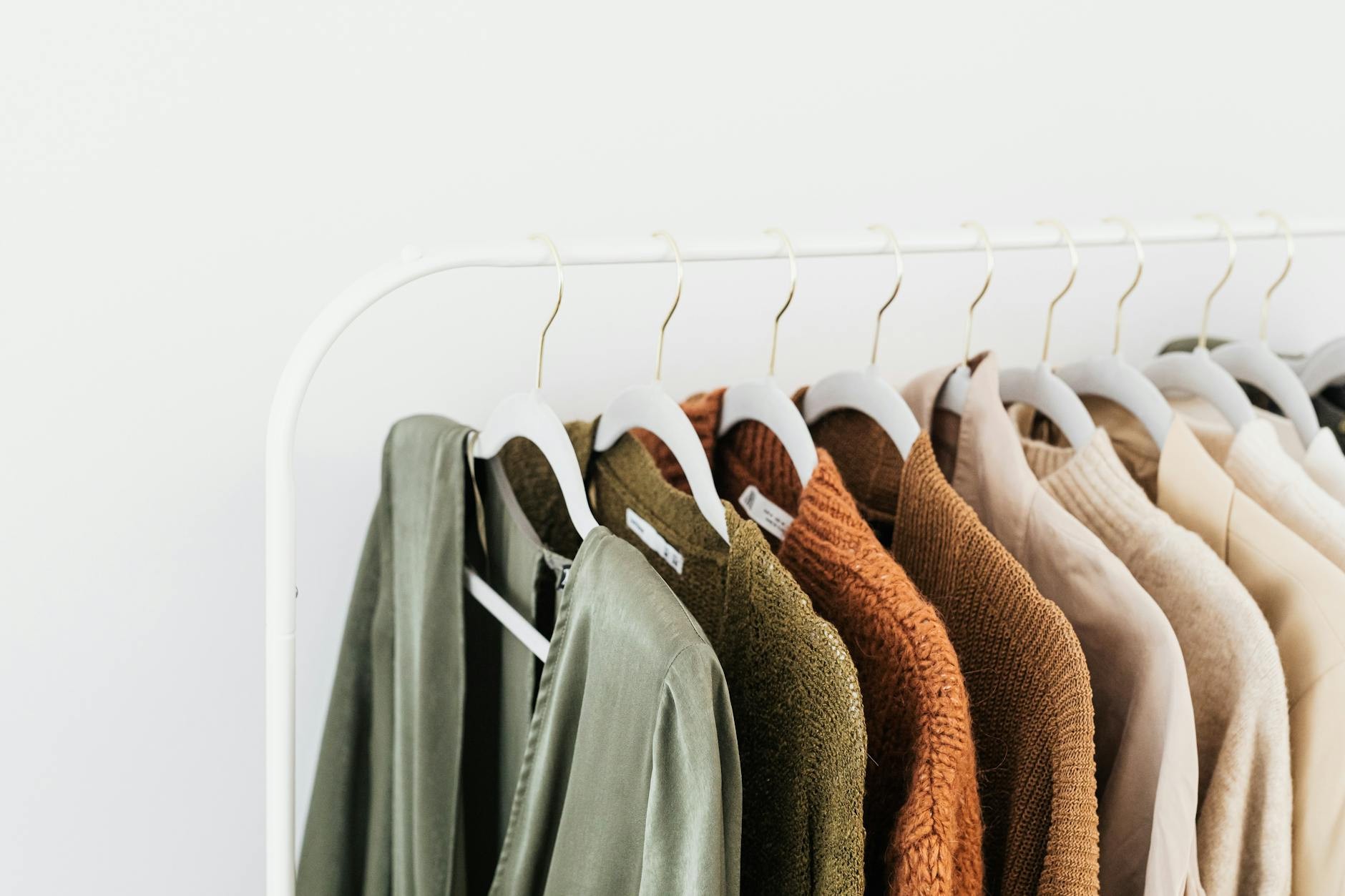
The same principle works in closets. My everyday clothes hang at eye level. Workout clothes live in a drawer I can access in the dark at 5:30 AM. Fancy occasion wear sits on the highest rod because I need it maybe six times a year. This functional approach is way more intuitive than organizing by color or garment type, which looks pretty but slows you down when you’re actually getting dressed.
8. Choose Furniture With Hidden Storage

Instead of buying expensive organizing systems, invest in furniture that does double duty. Bench seats with lift-up storage and beds with built-in drawers provide affordable solutions (usually $30-$150) that keep spaces looking restful while hiding everyday clutter. This approach saves money compared to custom closet systems that can run thousands of dollars.
I replaced my basic coffee table with an ottoman that has hidden storage inside ($120 from IKEA). It holds all my throw blankets, extra pillows, and board games—stuff that used to clutter my living room. My bedroom has a platform bed with four deep drawers underneath ($400 from Wayfair) where I store off-season clothes and extra linens. These pieces serve their primary furniture purpose while solving storage problems.
The benefit of furniture storage over standalone organizers is that it’s discreet. Your space doesn’t look like you’re trying too hard to be organized. Everything has a hidden home, but the room still feels calm and uncluttered. Plus, when you move, you’re taking useful furniture with you instead of a bunch of plastic bins that might not fit your next space.
9. Label Large Bins for Hidden Spaces

This system works brilliantly for spaces people don’t see, like garages, basements, and the top of closets. Instead of setting items directly on shelves where they mix together, use large bins with clear, bold labels. I bought ten big plastic bins from Dollar Tree ($5 each) and labeled them with categories: Holiday Decor, Camping Gear, Winter Accessories, Gift Wrap, Tools, etc.
The “toss and organize” system is faster than carefully arranging individual items. When I’m done with my camping stove, I toss it in the Camping Gear bin. No folding, no precise placement, no overthinking. Everything stays sorted by function, and I can find what I need in seconds. This approach is realistic for busy people who don’t have time for Instagram-perfect organization.
Common mistake: making your labels too specific. I initially had bins labeled “Christmas Ornaments” and “Christmas Lights” and “Christmas Stockings,” which meant I needed four bins for one holiday. Now I have one “Winter Holidays” bin that holds everything, and it’s way more practical. Save the detailed categorization for spaces you access daily, not storage areas you visit twice a year.

Sevenblue 3 Pack Under Sink Organizers
Honestly, Sevenblue 3 Pack Under Sink Organizers surprised me — sturdier than it looks in the photos, and over 39 buyers gave it 4.5 stars.
10. Schedule Decluttering Maintenance Sessions

The organizing system that changed everything for me was putting decluttering on my actual calendar. I schedule a 15-minute daily reset every evening at 8 PM, a one-hour weekly deeper clean on Sunday mornings, and a seasonal purge four times a year. The discipline of tidying on schedule, even when spaces don’t look messy, prevents clutter from accumulating in the first place.
This works because it removes decision-making. I don’t wait until my kitchen is a disaster to clean it—I clean it every Sunday whether it needs it or not. Usually it does need it, but sometimes I’m just maintaining, which takes way less time. The key is choosing a frequency you’ll actually follow. If weekly feels overwhelming, start with monthly. Some maintenance is infinitely better than none.
I use my phone’s calendar with recurring reminders. When the alert goes off, I spend the designated time resetting spaces, even if I don’t feel like it. This builds sustainable habits because it’s not dependent on motivation or things looking bad enough to trigger action. It’s just part of my routine, like brushing my teeth. After about six weeks, it became automatic, and now my home stays consistently organized instead of cycling between chaos and frantic cleaning.
11. Maintain a Quarterly Battery and Bulb Box

Dead batteries and burned-out light bulbs used to scatter through my junk drawer, creating a hazardous mess. Now I keep a designated recycling box specifically for dead bulbs and batteries, and I empty it every three months. This simple system prevents hazardous waste from mixing with regular items and establishes an easy maintenance routine.
I use a small cardboard box ($0, from Amazon packaging) that sits in my utility closet. When a battery dies or a bulb burns out, it goes straight in the box. Every quarter, I take the box to my local hardware store that accepts these items for proper recycling. This takes maybe ten minutes total and ensures I’m not storing dangerous materials improperly.
Pro tip: most people don’t realize that batteries and certain bulbs (especially CFLs) can’t go in regular trash. They contain materials that need special handling. Home Depot and Lowe’s both have free recycling programs for these items. The quarterly schedule works because it’s frequent enough that the box doesn’t overflow, but not so often that it feels like a constant errand. Set a recurring calendar reminder for the first day of each season—easy to remember.
12. Use AI for Planning Complex Projects

This might sound weird, but ChatGPT has become my organizing assistant. Perri Kersh, founder of Neat Freak Professional Organizing in Chapel Hill, notes that AI is increasingly used in 2026 for breaking large organizing tasks into manageable steps and figuring out how to best utilize specific spaces. I was skeptical until I tried it for my garage organization project.
I described my garage dimensions, what I needed to store, and my budget to ChatGPT. It gave me a step-by-step plan, suggested specific products with price ranges, and even created a timeline for completing the project over three weekends. The plan was actually good—way better than my usual “buy random shelves and hope for the best” approach. I spent $200 at Home Depot following the AI’s recommendations, and my garage is now functional for the first time in years.
You can also use AI for meal planning, which indirectly helps kitchen organization. When you know what you’re cooking for the week, you buy only what you need, which prevents pantry overflow. I ask ChatGPT for a weekly meal plan using ingredients I already have, and it reduces my grocery waste significantly. This tech-forward approach to home organizing saves time on the planning phases, so you can focus energy on the actual organizing work.
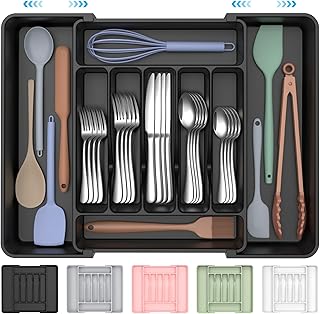
ukeetap Extra Large Expandable Silverware Organizer
ukeetap Extra Large Expandable Silverware Organizer has been one of the most consistently praised picks in this category. 47 reviewers averaged 4.5/5.
13. Ask Four Questions Before Keeping Anything

Before deciding to keep any item, I run through four honest questions: Can I find it when I need it? What would happen if I didn’t keep it? How difficult or easy is it to replace? Does it blur the line between want versus need? This framework prevents emotional attachment from overriding practical decisions.
These questions saved me from keeping a box of college textbooks I hadn’t opened in eight years. Could I find a specific book if I needed it? No, they were all mixed together in an unlabeled box. What would happen if I didn’t keep them? Nothing—I’ve never once needed to reference an old textbook. How easy to replace? Most are available free online or at the library. Want versus need? Pure want, based on some imaginary version of myself who rereads academic texts for fun.
The fourth question is the most important. Most organizing problems come from keeping things we want to want, not things we actually want. I wanted to be the kind of person who does elaborate scrapbooking, so I kept all those supplies for five years. But I’m not that person, and keeping the supplies didn’t change that. Once I got honest about the difference between aspirational identity and actual identity, decluttering became way easier.
14. Use Black Bags for Initial Purges

When I’m doing a major decluttering session, I use black trash bags instead of clear ones. The opacity prevents me from seeing discarded items and second-guessing myself during the purge process. I learned this trick from a professional organizer, and it’s weirdly effective at stopping the “maybe I should keep this” spiral.
I pair this with a separate designated box for donations. As I’m sorting, trash goes in the black bag (which I tie immediately and take outside), donations go in a clear box (so I can see what I’m giving away), and keeps stay in place. This three-category system streamlines decision-making. The key is removing the black trash bag from your space as soon as it’s full, before you can reconsider.
Common mistake: leaving bags of discarded items sitting around for days. I once left a donation bag in my hallway for two weeks, and I slowly pulled items back out of it. By the time I actually donated it, the bag was half empty. Now I put donation bags directly in my car trunk and drop them off within 48 hours. The faster you remove discarded items from your space, the less likely you are to reclaim them.
15. Implement the One-Plus-One Backup Rule

This final home organizing idea is worth repeating because it’s one of the fastest wins: maintain a one-bottle-and-one-backup rule for water bottles per family member. This specific ratio prevents the accumulation problem while ensuring practical functionality. Water bottles multiply faster than almost any other household item, and they take up significant cabinet space.
I applied this rule across multiple categories beyond just water bottles. One coffee mug per person plus two backups for guests. One set of sheets per bed plus one backup set. One winter coat per person plus one lighter jacket. The one-plus-one formula works because it prevents both scarcity anxiety (“what if I don’t have enough?”) and excess accumulation (“I might need this someday”).
The psychological benefit is huge. When you know you have exactly what you need plus a reasonable backup, you stop worrying about running out. You also stop buying duplicates because you can’t find the original. My linen closet used to overflow with seven sets of queen sheets, most of them mismatched or worn out. Now I have two complete sets I actually like, and I can find both of them instantly. That’s the real goal of organizing—not perfection, but functional ease in your daily life.
These home organizing ideas work because they address the root problem: we own too much stuff. No amount of cute baskets or clever hacks will organize items you shouldn’t keep in the first place. Start with intentional ownership, apply specific ratios to prevent accumulation, and maintain your systems with scheduled sessions. Your home won’t look like a magazine spread, but it’ll function smoothly for your actual life. Save this article for the next time you’re tempted to buy more organizing products instead of addressing what you own. Trust me, the solution is usually subtraction, not addition.

Ukeetap Multi-Purpose Pull-Out Storage Organizers
If you want something that just works, Ukeetap Multi-Purpose Pull-Out Storage Organizers is a safe bet (52 reviews, 4.5 stars).
Frequently Asked Questions
What’s the best way to start organizing a cluttered home?
Start by applying specific ratios to common clutter culprits: one water bottle per person plus one backup, four candles maximum, and three vases total. These quick wins create immediate visible progress and prevent items from accumulating again. Focus on what you keep before buying organizing products.
How do I maintain an organized home long-term?
Schedule decluttering maintenance sessions on your calendar—daily 15-minute resets, weekly deeper cleans, or seasonal purges. The key is choosing a frequency you’ll actually follow and sticking to it even when spaces don’t look messy. This prevents clutter from accumulating in the first place.
Should I organize by category or by how often I use items?
Organize by usage frequency for spaces you access daily, like bathrooms and closets. Keep daily-use items most accessible, weekly items slightly less so, and occasional-use items in harder-to-reach spots. This functional approach makes your routines faster and more intuitive than organizing by category alone.
What’s the difference between minimalism and intentional ownership?
Minimalism focuses on owning as little as possible, while intentional ownership means curating items that serve your actual life and reflect who you’re becoming. Intentional ownership is more sustainable because it doesn’t require you to fight against your genuine preferences or feel guilty about things you love.
4 thoughts on “15 Creative Home Organizing Ideas You Haven’t Thought Of”