What’s Inside
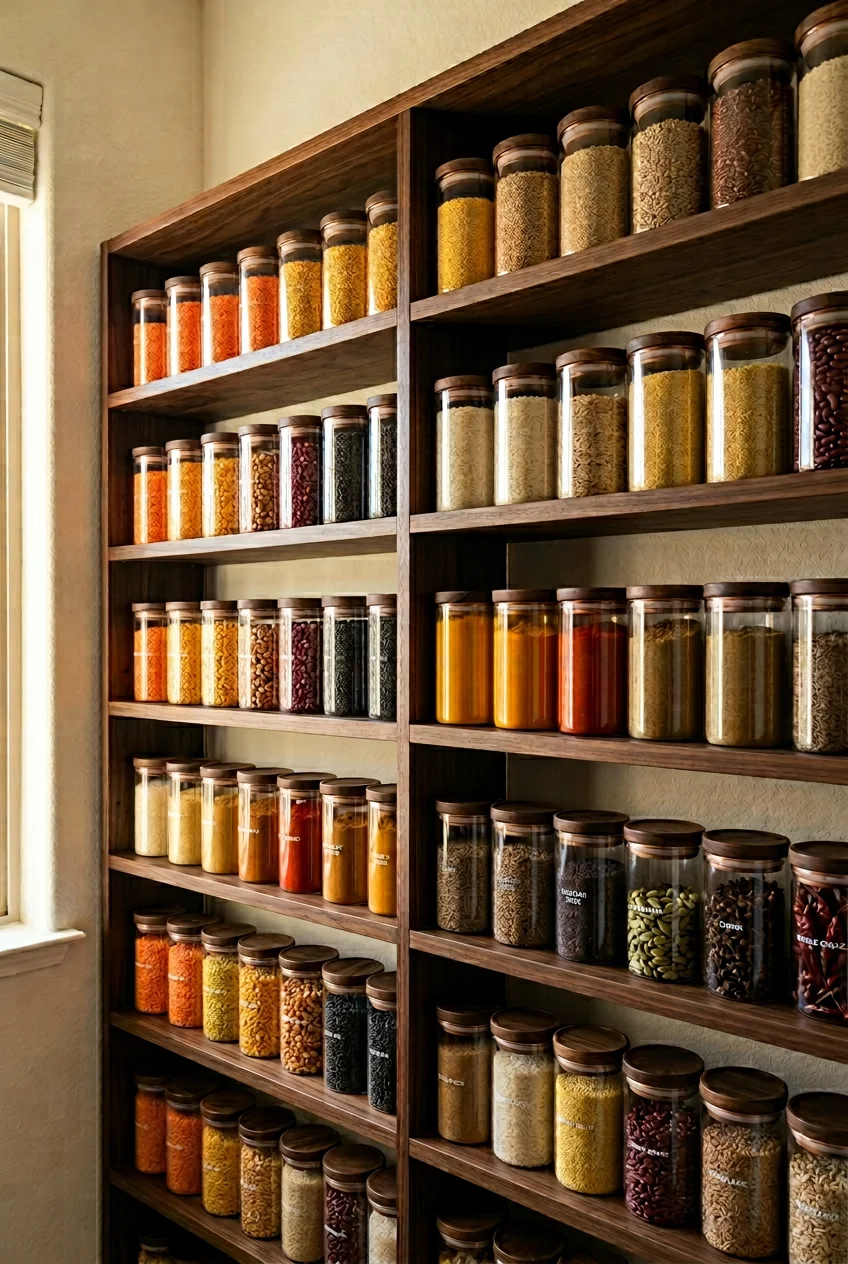
- Embrace Transparent, Airtight Containers for Staples
- Master Spice Organization with a Traditional Masala Dabba
- Maximize Vertical Space with Copco Tiered Racks
- Implement the FIFO Method to Reduce Waste
- Zone Your Pantry Shelves for Efficiency
- Label Everything Clearly in English and Hindi
- Utilize Reused Glass Jars for Eco-Friendly Storage
- Contain Oil and Ghee Spills with Plastic Trays
- Install Vertical Pull-Out Units for Deep Cabinets
- Dedicate a Specific Bin for Loose Packets and Mixes
- Store Heavy Atta and Rice in Wheeled Bins
- Create a Dedicated Tea and Coffee Station
- Manage Strong-Smelling Ingredients with Double Sealing
- Use Lazy Susans for Condiments and Pickles
- Separate Whole Spices from Ground Spices
- Keep a Step Stool Handy for High Shelves
Last Tuesday at Patel Brothers, I bought my third 2-pound bag of urad dal because I couldn’t find the other two buried in my dark corner cabinet. That 14-dollar mistake is why I finally overhauled my shelves and put together these indian pantry organization ideas. If you’re dealing with yellow turmeric stains on your wooden shelves and heavy bags of basmati rice that spill every time you open a door, you need a system that handles the volume of spices and lentils we use. Most standard kitchen advice ignores the reality of storing ten different types of flour and twenty different whole spices. I tried using tiny aesthetic jars for months before figuring out they just don’t work for bulk ingredients. Let’s fix your kitchen storage with practical, hard-working solutions that make cooking easier.
1. Embrace Transparent, Airtight Containers for Staples

I tried storing staples in their original packaging for months. The plastic bags tear, the lentils spill everywhere, and you can’t tell how much basmati rice you’ve actually got left. One of the most critical indian pantry organization ideas is moving your dals, rice, and flours into clear, airtight containers. The opacity of original packaging is a massive problem. You end up buying a 10-pound bag of atta when you already have one sitting in the back of the shelf. I use the Varmora Glory transparent plastic containers for my bulk items. A set of three 5-kilogram containers costs around $24 on Amazon. They latch tightly with a thick silicone gasket that keeps pantry moths out. The plastic is thick enough that it won’t warp in the dishwasher. For smaller quantities like a 2-pound bag of masoor dal, I prefer Borosil round glass containers with the blue lids. They cost $8.99 each at Target. Glass doesn’t absorb the earthy smell of the lentils. A common mistake here is buying containers that are too small. A standard bag of dal from the Indian market is usually 2 or 4 pounds. A tiny 1-quart container won’t hold the larger bags, leaving you with awkward half-empty plastic bags clipped shut in the back of your cabinet. Measure your usual purchase sizes before buying the bins.
2. Master Spice Organization with a Traditional Masala Dabba

Indian cooking requires rapid access to multiple spices while the oil is hot. Fumbling with individual jars means your cumin seeds burn. I ruined a whole batch of tadka last year because I couldn’t get the lid off my mustard seed jar fast enough while the oil was smoking. You need a traditional stainless steel Masala Dabba. It holds the seven spices you use daily in one compact round tin. I use the Rani Spice Box. It measures 7.5 inches by 2.8 inches, has seven small compartments, comes with a tiny spoon, and costs $22.99 on Amazon. I keep cumin seeds, mustard seeds, turmeric, red chili powder, coriander powder, garam masala, and amchur in mine. The stainless steel construction means it wipes clean easily with a damp cloth when I drop turmeric on the rim. Wooden dabbas look beautiful in photos, but they’re a nightmare to clean. I bought a wooden one from World Market for $34 once. The wood absorbed the smell of the spices permanently, and hot oil splatters stained the exterior within a week. Stick to stainless steel. Keep it right next to your stove, not buried in the pantry. It saves you from opening seven different jars every time you cook dal.
3. Maximize Vertical Space with Copco Tiered Racks

While your daily spices go in the dabba, you still have dozens of whole spices and less frequently used powders. Cardamom pods, cloves, star anise, and fennel seeds need their own home. I used to just shove these glass jars onto a flat shelf. The result? I knocked over the front row every time I reached for the back, sending glass crashing onto the counter. To fix this, I bought the Copco non-skid 3-tier cabinet organizers. They cost $9.99 at Target. They measure 15 inches wide and give you three distinct levels. The grey rubber lining on the steps stops the glass jars from sliding around. I use small 4-ounce glass jars from Walmart (a pack of 12 is $11.48) for all my whole spices. The tiered system means I can read the labels on the back row without moving the front row. The negative with tiered racks is that you lose vertical height. If your shelves are close together, the jars on the top tier might hit the shelf above them. Measure your shelf clearance before buying. You need at least 8 inches of vertical space to make a 3-tier rack work with standard spice jars.

Rubbermaid Configurations Deluxe Custom Closet Kit 4-8 Ft.
If you want something that just works, Rubbermaid Configurations Deluxe Custom Closet Kit 4-8 Ft. Adjustable is a safe bet (81 reviews, 4.5 stars).
4. Implement the FIFO Method to Reduce Waste
Spices lose their potency. Lentils can get old and take forever to cook. A major mistake I used to make was simply topping off my containers. I’d pour a new bag of chana dal right on top of the old chana dal. The stuff at the bottom sat there for two years and turned rock hard. You have to use the FIFO method: First-In, First-Out. When I refill a container now, I dump the remaining old stock into a bowl. I wash and dry the container completely. Then I pour the new 4-pound bag of dal into the bottom, and put the older dal right on top. This ensures the older stock gets used first. It takes an extra three minutes, but it stops your food from going rancid. I learned this the hard way with a $16 bag of walnuts from Costco that went completely bitter because I kept burying the old ones under the new ones. The same rule applies to your 10-pound bags of basmati rice. Never mix the old crop with the new crop without putting the old crop on top. It changes the cooking time and texture of the rice if you scoop a mixture of both into your rice cooker. You might also like: 16 Linen Closet Organization Ideas You Need to See
5. Zone Your Pantry Shelves for Efficiency

If you treat your pantry like a free-for-all, you’ll waste time looking for ingredients. I spent twenty minutes looking for a specific brand of tamarind paste last month because I shoved it behind the baking supplies. You need strict zones. I divide my pantry into five specific categories: daily spices, whole spices, dals and lentils, flours and rice, and snacks. The heavy 10-pound bags of Royal Basmati rice and Sujata Chakki Atta go on the very bottom floor of the pantry. Lifting heavy bags from high shelves is dangerous and awkward. The middle shelves at eye level hold the clear jars of dals, kidney beans, and chickpeas. This is my high-traffic zone. The top shelves hold the lightweight, bulky items like bags of Haldiram’s bhujia and extra boxes of tea. Creating these zones means I don’t have to hunt for things. When I’m making rotis, I know exactly where the atta and the rolling pin are. The downside of zoning is that you might have empty space in one zone while another is overflowing. Resist the urge to mix categories just to fill space. Keep the boundaries rigid. You might also like: 13 Organization Ideas For The Home Bedroom You Need to See
6. Label Everything Clearly in English and Hindi
I thought I could tell the difference between cumin powder and coriander powder just by looking at them. I was wrong. I ruined a batch of chicken curry by adding three tablespoons of cumin when I meant to use coriander. Labeling is not optional, especially in an Indian pantry where you have five different types of yellow lentils. I use waterproof vinyl stickers from The Global Pantry Company. They sell a set of 84 round labels with Hindi and English names for $18.50. Having both languages is incredibly helpful if you have older relatives visiting or if you’re trying to teach your kids the traditional names of the ingredients. The labels are 1.5 inches in diameter and fit perfectly on the lids of my 4-ounce spice jars. I bought a cheap paper set from Etsy first, but the ink smeared as soon as I touched it with wet hands. The waterproof vinyl is mandatory because kitchen hands are always wet or oily. Do not use masking tape and a Sharpie. The tape peels off in the humidity of the kitchen, and you’re left with sticky residue on your glass jars. You might also like: 13 Wire Closet Organization Ideas You Need to See

3-Tier Hanging Laundry Basket Organizer:Foldable Wire Shelf
A dependable everyday pick — 3-Tier Hanging Laundry Basket Organizer:Foldable Wire Shelf Laundry Ro pulls in 536 ratings at 4.5 stars. Not flashy, just solid.
7. Utilize Reused Glass Jars for Eco-Friendly Storage

You don’t have to spend three hundred dollars on matching acrylic bins to have an organized pantry. Some of my most functional storage containers are repurposed glass jars. I buy the 32-ounce Bubbies pickles from Whole Foods for $8.99. Once the pickles are gone, I peel off the label, scrub the glass, and run it through the dishwasher. These heavy-duty glass jars are perfect for storing smaller quantities of dried red chilies, tamarind blocks, or jaggery. The glass is thick, and the metal lids seal tightly against pantry moths. I tried using cheap plastic deli containers for a while, but they cracked when I dropped them on the tile floor, and they absorbed the smell of the hing. Glass is inert. It doesn’t hold smells. The trick to removing the stubborn adhesive from commercial jars is a mixture of baking soda and cooking oil. Rub a tablespoon of the paste onto the sticky residue, let it sit for ten minutes, and scrub it off with a rough sponge. The only negative to this method is the mismatched aesthetic. If you care deeply about a uniform look, this will bother you. But functionally, it works perfectly.
8. Contain Oil and Ghee Spills with Plastic Trays

Indian cooking uses a lot of oil. Mustard oil, peanut oil, coconut oil, and ghee. No matter how carefully you pour, the bottles will eventually drip down the sides and leave a permanent, sticky ring on your wooden pantry shelves. I ruined the finish on a cabinet shelf in my old apartment because a bottle of Parachute coconut oil leaked during the summer heat. Now, I keep all my liquid fats on a plastic tray. I use the Madesmart 10-inch by 15-inch plastic tray from Target. It costs $12.99. The tray has a small half-inch lip around the edge. If a bottle leaks, the oil pools in the plastic tray, not on the wood. Every two weeks, I take the tray out and wash it with Dawn dish soap and hot water. It takes two minutes to clean. Do not use wooden trays or woven baskets for oil storage. The oil will soak into the wood or the wicker, turn rancid, and smell terrible. Stick to hard plastic or stainless steel for this specific zone. It’s a small change, but it protects your cabinetry from permanent damage.
9. Install Vertical Pull-Out Units for Deep Cabinets

If you have deep lower cabinets, things get lost in the back. I used to get on my hands and knees with a flashlight to find the extra bottle of soy sauce. The current trend for 2026 is installing vertical pull-out units. I retrofitted my deep pantry cabinet with a Rev-A-Shelf 5-inch wide pull-out organizer. It cost me $145 at Home Depot, and it took about an hour to install with a power drill. This tall, narrow wooden rack slides completely out of the cabinet on metal glides. I store all my tall bottles of vinegar, sauces, and extra cooking oils on it. You can see everything at a glance without digging. This is one of those indian pantry organization ideas that fundamentally changes how you use your kitchen space. The downside is the cost and the installation effort. If you rent, you probably can’t drill into the cabinets. In that case, buy long, narrow clear plastic bins from the Container Store for $19.99 each. You can pull the entire bin out like a drawer to reach the items in the back. It’s a cheaper workaround that solves the same problem.
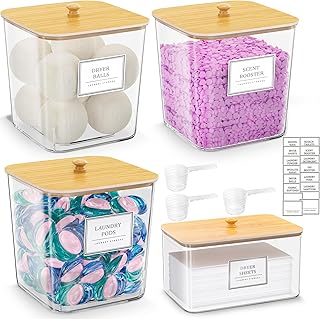
HomePekite Laundry Pods Storage Container
A dependable everyday pick — HomePekite Laundry Pods Storage Container pulls in 16 ratings at 4.5 stars. Not flashy, just solid.
10. Dedicate a Specific Bin for Loose Packets and Mixes

Every Indian pantry has a collection of cardboard boxes and foil packets. MDH Chana Masala, Shan Biryani mix, packets of Maggi noodles, and Eno sachets. These small items create massive visual clutter. They fall over, slip behind larger jars, and make the shelves look messy. I used to just stack them on top of each other, but they would slide off every time I closed the door. I solved this by using an iDesign Linus clear plastic bin from the Container Store. The 10-inch by 6-inch size costs $16.99. I stand all the masala boxes and spice packets upright in the bin, like files in a filing cabinet. When I need a specific spice mix, I pull the whole bin out, flip through the packets, grab what I need, and slide the bin back in. It keeps the flimsy cardboard boxes from getting crushed by heavier items. A mistake people make is dumping the packets flat into a basket. You end up digging through a pile, and the older packets at the bottom expire. Standing them upright is the only way to maintain visibility.
11. Store Heavy Atta and Rice in Wheeled Bins

Buying a 20-pound bag of Aashirvaad whole wheat atta is economical, but storing it is a physical challenge. I used to keep the heavy paper bag on the floor of the pantry. Every time I needed to mop, I had to drag it out, and flour would sift through the bottom seams onto the floor. I upgraded to a Cambro 22-quart round plastic food storage container. It costs $24.50 at a restaurant supply store, and the tight-fitting lid is sold separately for $6. I put the container on a cheap $15 wooden plant caddy with wheels from Lowe’s. Now, my bulk flour and rice sit on the floor of the pantry, but I can roll them out with one foot when I need to scoop out a few cups. The thick plastic protects the flour from moisture and pests. Never leave atta in the original paper bag once opened. Pantry weevils will find it within a month, and you will have to throw away twenty pounds of flour. The wheeled bin system saves your back and keeps your floor clean.
12. Create a Dedicated Tea and Coffee Station

Making chai is a daily ritual, usually happening first thing in the morning when I’m barely awake. I don’t want to walk across the kitchen to get the tea leaves, then to the pantry for the sugar, and back to the spice rack for the cardamom. I consolidated everything into one tray next to the kettle. I use a simple bamboo tray from Target that cost $15.00. On it, I keep a glass jar of Wagh Bakri loose leaf tea, a jar of sugar, and a small mortar and pestle for crushing fresh ginger and cardamom pods. I buy the 2-pound box of Taj Mahal tea from Kroger for $13.99 and refill the smaller glass jar weekly. Having the chai supplies grouped together saves me about fifty steps every morning. The mistake I made initially was storing the tea right above the stove. The heat and steam from cooking degraded the flavor of the tea leaves very quickly. Keep your tea station near the kettle, but away from the direct heat of the stove or the oven.
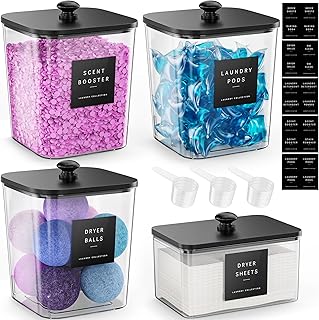
4 Pack Laundry Pods Container
Honestly, 4 Pack Laundry Pods Container surprised me — sturdier than it looks in the photos, and over 523 buyers gave it 4.5 stars.
13. Manage Strong-Smelling Ingredients with Double Sealing

Asafoetida, or hing, is a crucial ingredient in Indian cooking, especially for tadka. It also smells incredibly pungent. If you leave a plastic bottle of hing open in your pantry, your entire kitchen will smell like sulfur. I bought a small bottle of Vandevi yellow hing from Sprouts for $3.99. I learned very quickly that the cheap plastic bottle it comes in doesn’t contain the smell. I double-seal it now. I keep the original bottle inside a small, airtight Lock & Lock glass container with a silicone seal. The 1-cup size costs $6.99 on Amazon. This completely traps the odor. I do the same thing with dried fish or particularly strong dried chilies. Do not store your hing next to your baking supplies. I once had a batch of chocolate chip cookies taste faintly of garlic and onion because I stored the vanilla extract next to an unsealed bottle of asafoetida. The odors cross-contaminate easily in an enclosed space. Double-seal the offenders.
14. Use Lazy Susans for Condiments and Pickles
Indian meals usually involve multiple pickles and chutneys. Mother’s Recipe mango pickle, Maggi hot and sweet ketchup, and various mint chutneys end up shoved into the corners of the fridge or pantry shelves. You forget they exist until they grow mold. I use an OXO Good Grips 11-inch turntable for all my jars of achar. It costs $17.99 at Target. The turntable has a non-slip base and a small lip so the heavy glass jars don’t fly off when you spin it. Instead of reaching over three jars of pickle to get to the tamarind chutney, I just rotate the tray. It maximizes the awkward corner space in my pantry perfectly. The only negative is that round turntables leave small triangular gaps in the corners of square shelves. You lose a tiny bit of total surface area, but you gain massive accessibility. I tried a cheap $5 plastic turntable from Walmart first, but the plastic ball bearings jammed under the weight of four heavy glass pickle jars. Spend the extra money on the OXO one with steel bearings.
15. Separate Whole Spices from Ground Spices
I used to store my whole cumin seeds right next to my ground cumin powder. It visually made sense, but functionally, it was inefficient. Ground spices degrade much faster than whole spices. A jar of ground coriander loses its aroma in about six months, while whole coriander seeds can last for two years if kept in a dark, cool place. I separate them entirely now. My ground spices live in the masala dabba and the immediate front row of my spice rack for quick use. I keep my bulk bags of whole spices in larger, airtight OXO Pop containers ($16.99 for the 1.7-quart size) on a higher, darker shelf. I only grind what I need for the month in a small electric coffee grinder. Storing large quantities of ground spices is a mistake. I bought a massive 1-pound bag of turmeric from Costco for $7.99, thinking I was saving money. Half of it lost its flavor before I could use it. Buy ground spices in small quantities, and store your whole spices in bulk away from light and heat.

ROMOON Laundry Hamper Sorter Cart: 4-Section Organizer with
ROMOON Laundry Hamper Sorter Cart: 4-Section Organizer with Heavy-Duty has been one of the most consistently praised picks in this category. 187 reviewers averaged 4.5/5.
16. Keep a Step Stool Handy for High Shelves
The best organizational system in the world fails if you can’t actually reach the items. I’m five foot four. My pantry shelves go up to eight feet high. I used to drag a heavy wooden dining chair into the kitchen every time I needed to grab the extra paper towels or the backup bags of lentils. It scratched the floor and was annoying enough that I just avoided using the top shelves entirely. I finally bought a folding Rubbermaid step stool for $22 at Home Depot. I keep it folded flat in the narrow two-inch gap between the pantry wall and the shelving unit. It takes zero functional space, but it allows me to safely access the top zone of my pantry. Don’t put heavy glass jars on shelves you have to stretch to reach. I dropped a full jar of urad dal on my foot last year because I was standing on my tiptoes trying to pull it down from the top shelf. Keep heavy items low, light items high, and always have a dedicated stool nearby so you aren’t tempted to climb on the slippery granite counters.
Organizing an Indian pantry takes a weekend of heavy lifting, but it saves you hours of frustration during the week. Start by measuring your shelves and buying the right airtight containers for your bulk items. I highly recommend pinning this list so you can reference the exact container sizes and brands when you’re standing in the aisle at Target trying to decide what to buy. Let’s get those lentils sorted.
Frequently Asked Questions
What is the best way to store bulk Indian lentils?
Store bulk lentils in clear, airtight plastic or glass containers like Varmora Glory or Borosil. This prevents pantry moths, keeps the lentils fresh, and allows you to easily see when you need to restock.
How do you organize Indian spices efficiently?
Keep your seven daily spices in a stainless steel Masala Dabba near the stove for quick access. Store less frequently used whole spices in small glass jars on a tiered shelf riser to maximize visibility.
How do you stop asafoetida (hing) from smelling up the pantry?
Double-seal the container. Keep the original plastic bottle of hing inside a small, airtight glass container with a silicone seal, like a Lock & Lock box, to completely trap the pungent sulfur odor.
What is the FIFO method for pantry organization?
FIFO stands for First-In, First-Out. When refilling a container with new rice or lentils, remove the old stock first, pour the new stock in, and place the older stock on top so it gets used before expiring.
