
What’s Inside
- Declutter Ruthlessly Before You Buy A Single Bin
- Maximize Vertical Space With Adjustable Shelving
- Double Your Hanging Capacity Using A Second Rod
- Utilize The Back Of The Door For Small Accessories
- Swap To Slim Non-Slip Velvet Hangers
- Implement Modular Systems For Customization
- Use Clear Labeled Bins For Containment
- Optimize Shoe Storage Off The Floor
- Incorporate Adjustable Drawer Dividers
- Add Strategic Warm Lighting To See Everything
- Embrace Natural Materials For A Cohesive Look
- Categorize And Zone Your Clothing Items
- Rotate Seasonal Clothing To Free Up Space
- Perform The Reverse Hanger Trick Audit
Last November, a massive stack of heavy wool sweaters collapsed right onto my head while I was reaching for my favorite jeans. That dusty, suffocating avalanche was the moment I realized my single door closet was an absolute disaster. I spent ten minutes sitting on the floor, untangling cheap wire hangers and staring at a space that barely measured 36 inches wide. I tried cramming everything in there for months before figuring it out. You can’t just shove things into a tiny space and hope for the best. It takes actual math, specific measurements, and a few ruthless decisions. I spent that weekend measuring, purging, and driving back and forth to Target, Whole Foods, and The Container Store to find pieces that actually fit. The plastic hangers I bought in college were snapping under the weight of my winter coats. The floor was a graveyard of scuffed boots. If your closet looks like a thrift store donation bin exploded, you’re not alone. I’m going to walk you through exactly how I fixed mine. These aren’t abstract concepts. I’m giving you the specific measurements, the exact bins I bought, and the layouts that work when you’re rushing to get dressed at 6 AM.
1. Declutter Ruthlessly Before You Buy A Single Bin

Before you buy any organizers, you’ve got to perform a thorough decluttering. Professional organizer Emily Kate Johnson warns that buying a basket or bin won’t automatically organize your closet. In fact, it can add even more clutter. She’s right. A common mistake is trying to organize too many items, leading to an overstuffed and dysfunctional closet. I made this mistake last year. I bought a bunch of expensive acrylic bins from The Container Store and tried to force them into a closet that was already holding 40 pounds of clothes I didn’t wear. It was a waste of money. The bins didn’t fit. My clothes got wrinkled. I returned half of them. You need to create keep, donate, and discard piles. Be brutal. I held onto a pair of stiff, uncomfortable jeans for three years just in case I needed them for a quick run to Whole Foods. I never wore them. They just took up three inches of valuable rod space. Pull everything out. Every single sock, every dusty shoebox, every wire hanger. Touch each item and ask yourself if you actually wore it in the last year. If the answer is no, put it in a black trash bag and drive it to a donation center. Do not skip this step. Buying organizers for clutter just gives you organized clutter. Learned that the hard way.
2. Maximize Vertical Space With Adjustable Shelving

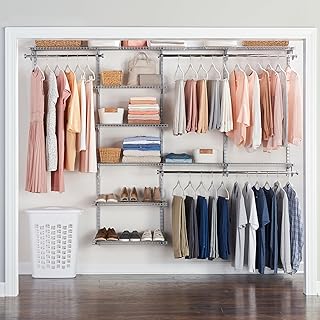
Most single door closets have one flimsy wooden shelf sitting about six feet off the ground, leaving a massive void of empty air near the ceiling. I ignored this vertical space for years, which is a massive storage mistake. To fix this, install adjustable shelving units that extend from floor to ceiling. The Rubbermaid Configurations Closet Kit is a solid option. You can usually find the 3 to 6-foot wide kit for about $130 at Lowe’s or Walmart. The best part is that it allows for tool-free rearrangement of shelves and rods as your wardrobe changes. I installed one in my guest room closet last spring. The metal tracks screw directly into the studs, and then you just snap the brackets in place. I did it myself in about two hours with a basic power drill. The metal feels sturdy, unlike those cheap wire shelves that bow in the middle when you put heavy sweaters on them. Having shelves that go all the way up to my 8-foot ceiling means I can store bulky items like my winter duvets and extra pillows up high. It gets them completely out of the way. If you’re tackling single door closet organization, you’ve got to think vertically. That empty air above your head is prime real estate.
3. Double Your Hanging Capacity Using A Second Rod

If your closet has a single high hanging rod, you’re wasting half your space. Adding a second, lower rod effectively doubles your hanging capacity for shorter items like shirts, skirts, and pants. You can buy an adjustable tension rod for about $15 at Target, or use the lower rod included in the Rubbermaid kit I mentioned earlier. I hung my lower rod exactly 38 inches below the top one. This gives my blouses enough room to hang without pooling on the lower rod, and my folded pants fit perfectly underneath. You’ve got to ensure there is at least a 1/4 inch gap between your hangers. Overcrowding is a common mistake that crushes garments and makes items impossible to pull out. I used to jam my silk shirts together so tightly they came out looking like crumpled paper bags. I’d spend twenty minutes ironing a shirt just to wear it to grab coffee at Starbucks. Giving your clothes a tiny bit of breathing room saves you time in the morning. The double rod system forces you to separate your long items from your short items. Put your dresses and long coats on one side, and stack your shirts and pants on the other. It immediately makes the space look custom and functional.

Kmiectse Clear Storage Bins with Lids
A dependable everyday pick — Kmiectse Clear Storage Bins with Lids – 4 Tier Plastic Bins with Wheel pulls in 2 ratings at 4.5 stars. Not flashy, just solid.
4. Utilize The Back Of The Door For Small Accessories

The back of your closet door is basically a blank canvas for storage. Leaving it empty is a massive missed opportunity. You can install a basic over-the-door shoe organizer for $14.99 at Target. I used one of these for a while to hold rolled socks, winter scarves, and small belts. The clear plastic pockets make it easy to see everything at a glance. However, if you want something that doesn’t swing around and bang against the wood every time you open the door, use the Elfa Over the Door Rack from The Container Store. Professional organizer Melanie Summers recommends this system, and I agree. It costs around $140 depending on the baskets you choose, but it anchors firmly to both the top and bottom of the door. I installed the white mesh baskets on mine. I keep my lint rollers, a small sewing kit, and my everyday flats in there. The mesh is tight enough that small items don’t fall through, but breathable enough that shoes don’t get musty. The installation took me about fifteen minutes. It completely freed up my top shelf. When you have a tiny footprint to work with, you’ve got to use every flat surface available.
5. Swap To Slim Non-Slip Velvet Hangers

You need to throw away your bulky plastic tubular hangers. Right now. Swap them out for slim, non-slip velvet hangers. Brands like Brightroom sell 25-packs at Target for $12. The Simplify brand at Walmart is usually around $14 for a 50-pack. These hangers take up significantly less space. You can easily fit up to 50 percent more clothing on a standard rod just by making this switch. They also prevent garments from slipping off, which used to drive me crazy. I’d reach for a cardigan and three other shirts would slide off their plastic hangers and land in a wrinkled heap on the floor. The velvet texture grips the fabric perfectly. There is one minor downside. The velvet can collect lint over time, especially if you hang fuzzy sweaters on them. I usually just run a sticky lint roller over the shoulders of the hangers once a month to keep them clean. It takes two minutes and the space-saving benefits are worth it. Uniform hangers also trick your eye into thinking the closet is neater than it actually is. When all the hangers match, the visual noise drops dramatically. Skip the wooden hangers. They look nice, but they’re a full inch thick. You don’t have the space for that. You might also like: 15 Clever Kitchen Small Space Ideas That Changed Everything
6. Implement Modular Systems For Customization

If you want a built-in look without the custom carpentry price tag, look into modular systems. The IKEA AURDAL system is a massive trend for smaller closets in 2026. It offers a much more compact profile than their famous PAX system. The AURDAL is only 15 ¾ inches deep, which makes it perfect for shallow reach-in spaces. The base sections start around $165, and you can add shelves, pull-out drawers, and hanging rods as needed. I helped my sister install one in her 1950s house last month. Her closet was incredibly narrow, and the standard wire shelving was practically useless. We ripped out the old wire rack, patched the drywall, and installed the white AURDAL unit right in the center. We flanked it with hanging rods on both sides. The solid shelves are heavy and feel substantial. One mistake people make with modular systems is not measuring the baseboards. We had to notch out a small piece of the trim so the unit would sit flush against the back wall. It added an extra hour to the project, but the final result looked like a $1,000 custom closet. Modular solutions let you adapt the space precisely to your wardrobe.
Rubbermaid Configurations Deluxe Custom Closet Kit 4-8 Ft.
A dependable everyday pick — Rubbermaid Configurations Deluxe Custom Closet Kit 4-8 Ft. Adjustable pulls in 81 ratings at 4.5 stars. Not flashy, just solid.
7. Use Clear Labeled Bins For Containment

Grouping similar items in clear, stackable bins is the only way to keep small items from turning into a chaotic mess. I use the Mainstays clear glossy plastic pull-out drawers from Walmart. They cost $10.48 each and measure about 14 inches deep. I stack three of them on my middle shelf for workout gear. Because they’re clear, I can easily see my black leggings without having to pull everything down. Labeling these bins is crucial. Professional organizer Melanie Summers points out that labeling makes the space feel intentional and easy to navigate. I bought a cheap Brother label maker on Amazon for $30 and went wild. When a bin is prominently labeled “Swimwear,” you’re much less likely to shove a random pair of sweatpants into it. I tried using opaque canvas bins for a while because they looked minimal and clean on Pinterest. It was a disaster. I could never remember what was in them. I’d tear through four different bins looking for a specific sports bra while running late for a Pilates class. Clear bins eliminate that friction. The plastic is easy to wipe down with a damp cloth when it gets dusty, and the pull-out drawer mechanism means you don’t have to unstack them to get to the bottom bin. You might also like: 15 Creative Dollar Tree Hacks Organizing Ideas for a Fresh New Look
8. Optimize Shoe Storage Off The Floor

A common mistake is letting shoes pile up on the floor. It wastes valuable space, damages your shoes, and makes it impossible to vacuum the dust bunnies that inevitably gather. You’ve got to get your shoes off the floor. I use stackable clear shoe boxes from Mainstays. They come in a 2-pack for $6.24 at Walmart. They have a little drop-down door on the front, so you can pull a pair of sneakers out without moving the boxes stacked above them. I stacked ten of these boxes on the bottom right side of my closet. They measure 13 inches long, which fits my size 8 shoes perfectly, though my husband’s size 12 boots definitely don’t fit in them. For taller boots, I use cheap plastic boot shapers that cost $5 and stand them upright on the top shelf. If you just toss your shoes into a dark pile at the bottom of the closet, you’ll inevitably scuff the leather or crush the toe boxes. Last year, I ruined a $100 pair of suede loafers because a heavy pair of rain boots fell on top of them and left a permanent crease. Storing them in individual boxes protects the material and keeps the floor completely clear. You might also like: 13 Organization Ideas For The Home Bedroom You Need to See
9. Incorporate Adjustable Drawer Dividers

If you have any drawers in your closet system, or if you use deep bins for folded items, you need adjustable drawer dividers. Without them, your socks and undergarments will shift around every time you open the drawer, eventually turning into a tangled knot. The Home Edit makes an Angled Expandable Drawer Organizer that costs $17.98 at Walmart. It expands to fit the exact width of your drawer and can create up to 32 small compartments. I use this specific divider for my socks. I roll them tightly and stand them upright in the little squares. It keeps them perfectly contained. I tried making my own drawer dividers out of cardboard once to save money. It looked terrible and the cardboard bent out of shape within two weeks. Spend the $18. The hard plastic dividers stay firmly in place because they have rubber grips on the ends. When your drawers are divided into specific zones, you can actually see what you have. You won’t end up buying a fifth pair of black ankle socks just because the other four pairs are buried under a pile of tangled sports bras. The rigid structure forces you to maintain the organization.

Timate P3 Wall Mounted Closet Organizer System with 5
A dependable everyday pick — Timate P3 Wall Mounted Closet Organizer System with 5 Hanging Rods pulls in 7 ratings at 4.5 stars. Not flashy, just solid.
10. Add Strategic Warm Lighting To See Everything

Good lighting can make a small closet feel larger and more inviting. It’s a commonly overlooked aspect of single door closet organization. Most small closets don’t have hardwired lighting, which means you’re trying to differentiate between navy blue and black pants in the dark. Avoid harsh fluorescent lights. They cast unflattering shadows and make it difficult to see clothing colors accurately. Instead, install battery-operated stick-on LED lights. I bought a 3-pack of GE wireless LED puck lights for $15 at Target. They come with heavy-duty adhesive backing. I stuck one right above the top shelf and one under the middle shelf. They operate on a simple tap mechanism. The warm white light (around 3000K) makes the space feel like a boutique rather than a dark cave. You do have to change the AAA batteries every few months, which is slightly annoying. The adhesive can also pull the paint off the wall if you try to remove them too quickly. I learned that the hard way and had to spackle a quarter-sized hole in my drywall last month. But being able to actually see the texture of my clothes at 5:30 in the morning when I’m getting dressed for the gym makes the battery changes worth it.
11. Embrace Natural Materials For A Cohesive Look

There is a strong trend in 2026 moving toward natural materials like bamboo, wood, rattan, and seagrass for organizers. People are moving away from flimsy, brightly colored plastics. Natural materials offer a warmer, more intentional aesthetic that blends with your bedroom decor. If you have open shelving or use baskets on the top shelf, swap out the cheap plastic tubs for water hyacinth baskets. Target sells the Brightroom woven baskets for $16 each. They measure 11 inches tall and 13 inches wide. I use two of these on my very top shelf to hold my thick winter sweaters. The natural texture adds warmth to the space. One negative about woven baskets is that they can snag delicate fabrics. I ruined a silk camisole last summer because it caught on a sharp piece of rattan inside a basket. Now, I only use them for chunky knits or denim, and I line the bottom with a simple cotton cloth. The visual upgrade is massive. When you open the closet door, it doesn’t look like a chaotic plastic storage room. It looks like a purposeful extension of your home. Stick to one or two materials to keep the visual clutter down.
12. Categorize And Zone Your Clothing Items

You can buy all the expensive bins in the world, but if you don’t categorize your clothes, the space will still fail. Professional organizer Elizabeth Warren advises grouping similar items together and designating specific zones within the closet. Keep your most frequently used items at eye level. Store seasonal or rarely used items on the upper shelves. I organize my hanging clothes by type, and then by color. All my long-sleeve shirts are together, moving from white to black. Then my short-sleeve shirts. Then my pants. This sounds tedious, but it saves me so much time. Last Tuesday, I needed a specific gray sweater for a quick trip to Kroger. Because I keep all my sweaters in a dedicated zone on the middle shelf, I grabbed it in two seconds. I used to just hang things wherever there was an empty space. I’d find winter coats mixed in with summer tank tops. It was a nightmare. Zoning creates a map in your brain. You automatically know exactly where to reach. It also highlights when you have too much of one category. When you see fourteen white t-shirts hanging in one continuous row, you realize you probably don’t need to buy another one.

SNSLXH 5 Pack Stackable Closet Storage Basket
A dependable everyday pick — SNSLXH 5 Pack Stackable Closet Storage Basket pulls in 4 ratings at 4.5 stars. Not flashy, just solid.
13. Rotate Seasonal Clothing To Free Up Space

A surprising amount of space can be gained by rotating your out-of-season clothing. A single door closet simply can’t hold an entire year’s worth of clothing for most people. I store my off-season items in vacuum-seal bags under my bed. You can buy a 6-pack of Spacesaver bags on Amazon for $24.99. You stuff your heavy winter coats and thick wool sweaters into the bag, hook your vacuum hose to the valve, and suck all the air out. A pile of sweaters that was 18 inches high shrinks down to a hard brick that is barely 4 inches thick. I slide these under my bed in shallow plastic bins. This frees up prime closet real estate for the clothes I’m actually wearing right now. You do have to wash or steam the clothes when you pull them out next season, because the vacuum bags leave them incredibly wrinkled. I pulled my winter coats out last October and they looked like they had been run over by a truck. It took me an hour with my handheld steamer to get them looking normal again. But removing that bulk from the closet for six months is non-negotiable if you want a space that breathes. Trust me on this.
14. Perform The Reverse Hanger Trick Audit

This is a lesser-known tip that completely changed how I edit my wardrobe. To identify the clothes you truly wear, turn all your hangers so the hooks face outward toward you. This feels wrong when you do it, but that’s the point. After you wear an item and wash it, return it to the closet with the hanger hook facing the normal direction (toward the back wall). After six months, look at your rod. Any clothes that are still hanging on hangers facing the original, backward direction are items you haven’t touched in half a year. Donate them immediately. This simple trick provides objective data. We lie to ourselves about what we wear. I swore I wore a specific green blazer all the time. I did the hanger trick, and six months later, that hanger was still facing backward. I hadn’t worn it once. It was just taking up space. This forces you to confront your actual habits instead of your fantasy self. Once you clear out those unworn items, your closet instantly feels lighter. You aren’t constantly pushing past clothes you hate just to find the jeans you actually wear. It is the easiest, cheapest maintenance trick in the book.
Organizing a tiny closet isn’t about buying a magic product that solves everything. It’s about being ruthless with what you keep and maximizing every single inch of vertical and door space. I spent years fighting with my cramped closet before I finally implemented these systems. If you’re overwhelmed, just start with the reverse hanger trick today. It costs zero dollars and takes five minutes. Then, measure your space and grab those velvet hangers. You won’t believe how much room it frees up. I hope these tips help you reclaim your space and your sanity. Pin this article to your home organization board so you can reference the specific measurements and products when you head to the store this weekend!
Frequently Asked Questions
How do you organize a single door closet with lots of clothes?
Maximize vertical space by installing a double hanging rod and adjustable shelving up to the ceiling. Swap bulky plastic hangers for slim velvet ones to instantly gain 50% more rod space, and store off-season clothing in vacuum-seal bags under your bed.
What is the best way to store shoes in a small closet?
Get shoes off the floor using clear, stackable drop-front shoe boxes. They protect your shoes from dust and scuffs while allowing you to pull out a pair without unstacking the boxes. Over-the-door shoe organizers also work well for flats and sandals.
How deep should shelves be in a reach-in closet?
For a standard single door reach-in closet, shelves should typically be 12 to 14 inches deep. This depth perfectly accommodates folded sweaters and jeans without items getting lost in the back, while leaving enough clearance for the door to close properly.
Are custom modular closet systems worth the money?
Yes, if you use a budget-friendly option like the IKEA AURDAL system. Modular units maximize every inch of a small space by allowing you to mix drawers, shelves, and rods based on your specific wardrobe, creating a built-in look for under $200.
