
What’s Inside
- Implement a Toy Rotation System for Engagement and Tidiness
- Utilize Clear, Stackable Bins with Lids for Visibility and Order
- Label Everything with Pictures and Words for Child Independence
- Maximize Vertical Space with Modular Shelf Systems
- Utilize Under-Bed Storage for Bulky or Less-Used Items
- Invest in Multi-Functional Furniture with Integrated Storage
- Embrace Eco-Friendly and Sustainable Storage Solutions
- Designate Specific Storage for Sensory Bin Materials
- Avoid the “Black Hole” of Large, Unsorted Toy Boxes
- Involve Children in the Organizing Process
- Categorize Toys Logically for Easier Cleanup
- Utilize Wall-Mounted Pegboards and Shelves for Flexible Storage
- Opt for Small, Accessible Bins to Prevent Dumping
- Create a “Rainy Day Closet” for Novelty Creative Toy Storage Ideas
- Avoid Over-Micro-Organizing With These Creative Toy Storage Ideas
Last Tuesday at 2 AM, I stepped squarely on a rogue LEGO Batman cowl while walking to the kitchen in the dark. The sharp plastic dug into my heel. I had to bite my lip to keep from waking the whole house. That moment of blinding foot pain is why I finally sat down to figure out some genuinely practical creative toy storage ideas. If your living room looks like a plastic factory exploded, you’re not alone. I spent three years tripping over wooden blocks and finding decapitated Barbie heads in my couch cushions before I realized my storage systems were wrong. I used to buy those giant, aesthetic wicker baskets thinking they’d solve my problems. They didn’t. They just became deep, dark pits of despair where toys went to die. My kids would dump the entire 20-pound basket on the rug just to find one specific Hot Wheels car. We needed a better plan. I started testing different methods, measuring shelves, and timing how long it took my kids to clean up. I’m sharing the exact systems, measurements, and bins that actually work.
1. Implement a Toy Rotation System for Engagement and Tidiness

When I first heard about toy rotation, I thought it sounded like a full-time job. I tried it wrong for months before figuring it out. I used to pack away random handfuls of toys in leftover cardboard boxes and shove them in the garage, where they gathered dust and spiderwebs. The real trick is a strict rotation system to keep play fresh and reduce clutter. Child development experts recommend it. You want to store 70 to 80 percent of their toys out of sight in opaque bins. I use the Sterilite 66-quart latching boxes. They cost exactly $11.98 at Walmart, and the opaque gray plastic means my kids can’t see the bright colors inside and beg for things they forgot about. I rotate the boxes every three weeks. When I bring out a “new” box, the kids act like it’s Christmas morning. Limiting the number of toys available at one time enhances a child’s focus. The thick plastic latches on those Sterilite bins snap shut with a loud click. I know they’re secure from little prying hands. This single habit reduced the urge to buy new toys. Old toys feel new again. It takes me about twenty minutes on a Sunday night to swap the bins, and the peace in my living room is worth it.
2. Utilize Clear, Stackable Bins with Lids for Visibility and Order

While opaque bins are great for deep storage, your daily toys need a different approach. I learned this the hard way after using deep, dark fabric cubes for everything. My kids just used the “dump and search” method, pouring thousands of tiny pieces onto the rug just to find one specific blue race car. You need clear, stackable plastic bins with lids for the toys currently in rotation. I buy the Brightroom clear latching bins at Target. The prices typically range from $2.50 to $12.00 depending on the size, and the hard plastic holds up to rough handling. I use the small 1-gallon capacity bins for tiny items like loose LEGO bricks or magnetic tiles. For larger items like wooden blocks or bulky dress-up clothes, I size up to the 15-inch long by 11-inch wide by 5-inch high containers. Because they’re transparent, children and adults see the exact contents without opening them. The lids allow you to stack them securely on shelves, maximizing your vertical space. The latching mechanism on the Brightroom bins is easy enough for my four-year-old to open independently. That matters when I’m trying to cook dinner and need him to entertain himself.
3. Label Everything with Pictures and Words for Child Independence

A massive mistake I made early on was handwriting beautiful, cursive labels on all our storage bins. It looked great on camera, but my preschooler couldn’t read them. Expert organizers emphasize the importance of labels with both pictures and text to empower even pre-readers to participate in cleanup. If they don’t know where a toy belongs, they’ll just drop it on the floor and walk away. I started taking quick photos of the actual toys on my phone, printing them out with a simple, bold text label underneath. You can find free printable labels online if you prefer a uniform look. For durability, you have to print these on thick cardstock and laminate them. I bought a Scotch thermal laminator for $24.99 at Target three years ago, and I use it constantly. Once laminated, I attach the labels to the plastic bins using clear, heavy-duty packing tape. For fabric baskets, I punch a hole in the laminated card and tie it to the handle with a piece of cheap cotton twine. When cleanup time rolls around, I just point to the picture of the wooden train tracks, and my kids know exactly which bin I’m talking about.

8 Pack Extra Large Heavy Duty Moving Bags
8 Pack Extra Large Heavy Duty Moving Bags has been one of the most consistently praised picks in this category. 19 reviewers averaged 4.5/5.
4. Maximize Vertical Space with Modular Shelf Systems

Wall-mounted storage and vertical solutions are crucial for small spaces. Last Tuesday at IKEA, I watched three different families fighting over the last white KALLAX shelf unit, and I understood why. The KALLAX series is the backbone of practical playroom organization. They come in various sizes like 2×2, 2×4, or massive 4×4 squares, with prices ranging from approximately $35 to $100. I’ve got a 2×4 unit turned horizontally under our living room window. Professional organizers often recommend cubby systems like this to differentiate and separate toys. A good rule of thumb is assigning a 6-cubby unit for two children, giving each kid three dedicated cubbies for their personal items. I fill the bottom row with IKEA’s DRÖNA fabric inserts, which cost about $5 each. The slightly rough polyester fabric hides scuff marks well, and they slide out smoothly on the laminate shelving. I keep the heavy, bulky items in those bottom fabric bins, and use the top row for the clear plastic containers we talked about earlier. By pushing the storage upward against the wall, you free up floor space for playing, building, and wrestling.
5. Utilize Under-Bed Storage for Bulky or Less-Used Items

The dark, dusty space under the bed is often overlooked, but it offers significant storage potential if you use the right containers. I used to shove loose cardboard boxes under my son’s twin bed, which just created a haven for massive dust bunnies and lost socks. You need low-profile, rolling storage bins specifically designed for this awkward space. I bought the Fixwal Under Bed Storage containers on Amazon. They cost around $30 to $50 for a 2-pack and feature transparent, zippered tops. Our beds have exactly 7 inches of clearance underneath, and these slide in perfectly. They’re ideal for bulky items, seasonal toys, or the large backup items in your toy rotation system. The wheels are a non-negotiable feature. If a bin doesn’t have wheels, it’s going to scrape your hardwood floors or get stuck on your carpet. The clear tops allow me to quickly identify the contents without pulling the entire heavy bin out into the middle of the room. I keep my daughter’s massive collection of oversized stuffed animals in one, squishing them down flat and zipping the top shut so they aren’t taking up half her bedroom floor. You might also like: 13 Home Bakery Organization for Every Budget
6. Invest in Multi-Functional Furniture with Integrated Storage

If you live in a smaller home, you can’t dedicate an entire room just to toys. The toy creep into the living room is inevitable. I fought it for a year before giving in and finding ways to hide the plastic chaos in plain sight. Multi-functional furniture with integrated storage solves this problem. I bought the Costway Kids Storage Bench for our entryway. It cost exactly $95.99, and from the outside, it looks like a standard, slightly modern white wooden bench where we put on our shoes. Inside, it has a deep, hidden compartment that holds a small mountain of Magna-Tiles and random dinosaur action figures. These pieces help keep toys out of sight while providing actual seating or utility for the adults in the house. You can also look for storage ottomans upholstered in durable faux leather that wipe clean easily when a toddler smears sticky hands all over them. Beds with built-in drawers are another excellent option for older kids. The goal is making your living space function for the adults after 8 PM, without having to stare at a bright plastic farm animal while you’re trying to watch a movie. You might also like: 15 Cozy Room Cleaning Tips Organizing Ideas to Steal Right Now
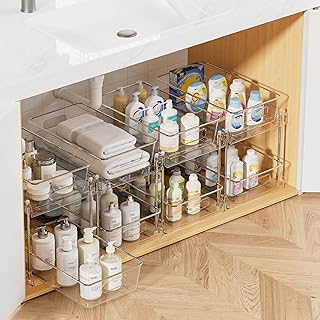
Vtopmart 4 Pack Bathroom Organizer
If you want something that just works, Vtopmart 4 Pack Bathroom Organizer is a safe bet (65 reviews, 4.5 stars).
7. Embrace Eco-Friendly and Sustainable Storage Solutions

A growing trend in home organization is moving away from cheap, brittle plastic and leaning into sustainable materials. I started making this shift after a cheap plastic bin cracked and pinched my finger while I was carrying it down the stairs. Now, I opt for storage made from natural materials whenever possible. I picked up a set of sturdy bamboo baskets at Whole Foods last month for $14.99 each. The woven bamboo has a smooth, polished texture that doesn’t snag on fabric or scratch little hands. For soft items like wooden blocks or cloth dolls, I use Coyuchi organic cotton bags. They have a thick, heavy canvas feel and a simple drawstring closure. Another great option is the Sprout Kids modular bins, which are made from recycled materials. Modular wooden crates from sustainably sourced wood can be stacked and rearranged endlessly. They grow with your child’s needs, transitioning from a toddler toy box to a teenager’s bookshelf. While these eco-friendly options often cost more upfront, they don’t crack, they won’t off-gas weird chemical smells, and they look significantly better on your shelves. You might also like: 15 Inspiring Aesthetic DIY Home Decor You Can Try Today
8. Designate Specific Storage for Sensory Bin Materials

Sensory bins are fantastic for child development, but they’re a nightmare to clean up if you don’t have a strict storage protocol. I call it the great rice incident of 2023. I left a bag of dyed blue sensory rice poorly sealed in a flimsy grocery sack, and it spilled across three shelves and down into the floorboards. Dedicated storage for these messy fillers is key. I buy Ziploc freezer gallon bags at Kroger for $5.49 a box. The freezer version has thicker plastic and a double zipper that stays shut. I use these bags for smaller items like pom-poms, water beads, or kinetic sand. For larger, themed sensory bin sets, I use 16-inch by 12-inch heavy-duty zipper pouches. You can slide the entire bag of filler, the little plastic scoops, and the hidden treasures into one flat pouch. I stack these pouches vertically in a clear plastic bin with a tight-fitting lid. Label these clearly with a permanent marker to avoid confusion. You don’t want to hand a babysitter a bag of loose glitter sand thinking it’s a bag of wooden beads.
9. Avoid the “Black Hole” of Large, Unsorted Toy Boxes

Most people get this wrong right out of the gate. We all have this nostalgic image of a giant, beautifully painted wooden toy chest sitting at the foot of a bed. I owned one. It was a dark, heavy black hole where toys went to get crushed, broken, and forgotten. A common mistake is using one giant toy box where everything gets jumbled together. The result is your kid dumping the entire heavy contents onto the floor just to find the one action figure trapped at the very bottom. Instead, professional organizers recommend using smaller, categorized bins. If you must use a large toy chest because it matches your decor, you have to compartmentalize the inside. I switched to the MindSpace toy chest, which comes with a sturdy removable divider. It usually runs around $40 to $60 online. The divider splits the massive cavern into two manageable sections. I also place smaller, rigid plastic bins inside the chest to hold the tiny pieces. This prevents the heavy wooden blocks from smashing the fragile plastic toys, and it stops the endless digging and dumping cycle that ruins a clean bedroom in three seconds flat.

Lifewit 6 Pack Clothes Storage Bins with Lids
Lifewit 6 Pack Clothes Storage Bins with Lids punches above its price — 1,076 buyers rated it 4.5 stars. I would buy it again.
10. Involve Children in the Organizing Process

If you organize a playroom by yourself at midnight while the kids are sleeping, they’ll destroy it by 9 AM. Expert opinion stresses that children are more likely to maintain an organizational system if they actively help create it. I used to do everything myself because it was faster, but I was just setting myself up for daily frustration. Now, I force my kids to participate in the sorting, categorizing, and labeling process. Last weekend, I bribed my five-year-old with a bag of Peanut Butter Filled Pretzels from Trader Joe’s (they cost $2.99 and work like magic) to help me sort a massive pile of mixed toys. I let him choose which toys go in which labeled bin. He decided the toy cars should live next to the train tracks, which makes sense to him. Because he made the decision, he remembers where they belong. This simple act builds a sense of responsibility over their space. It makes cleanup time less of a screaming battle and more of a routine task, because they aren’t confused about where things go.
11. Categorize Toys Logically for Easier Cleanup

When you start sorting toys, it’s tempting to get hyper-specific. I once spent three hours sorting a massive bin of LEGO bricks by individual color. It looked incredible for one day, and then my kids mixed them all back together during a single play session. Grouping “like with like” is the best way to simplify cleanup, but the categories must be broad and logical. The categories should be simple enough for a tired preschooler to understand instantly. I use broad labels like “vehicles,” “blocks,” “dolls,” or “puzzles.” Avoid overly specific categories that are difficult to maintain. For example, separating Playmobil figures from standard LEGO Minifigures is a waste of your time. To a four-year-old, they’re all just little plastic people. If the system requires a child to stop and analyze the structural differences between two similar toys before putting them away, the system is too complicated. Broad categories allow kids to scoop up handfuls of toys and toss them into the correct bin quickly. The faster they can clean up, the less they’ll complain.
12. Utilize Wall-Mounted Pegboards and Shelves for Flexible Storage

When you run out of floor space, look at your empty walls. Pegboards offer customizable wall storage, allowing you to add hooks, small wire baskets, and narrow shelves that can be rearranged constantly as your storage needs change. I installed a large white pegboard above my daughter’s desk to hold all her lightweight craft supplies, markers, and small hanging toys. It keeps a massive amount of clutter off the floor and makes everything accessible. For heavier items or displaying nice books, floating shelves are perfect. I bought the Pillowfort House with Doors Kids’ Wall Shelf at Target for $35. It has a cute, house-like shape with little doors that hide the messy stuff, while the open shelves display her favorite wooden figures. Just make sure you use heavy-duty drywall anchors when installing any wall storage in a kid’s room. I always use the E-Z Ancor twist-n-lock drywall anchors from Home Depot ($8.98 for a large pack). Kids will pull on shelves or try to hang from them, so you can’t rely on standard nails. Secure wall storage changes the footprint of a small bedroom.

Plano 4-Shelf Plastic Storage Shelves, 48” x 23” x 14”
Plano 4-Shelf Plastic Storage Shelves has been one of the most consistently praised picks in this category. 24 reviewers averaged 4.5/5.
13. Opt for Small, Accessible Bins to Prevent Dumping

Deep storage bins are the enemy of daily play. I mentioned earlier how large toy boxes encourage the dreaded digging and dumping cycle. The same rule applies to your open shelving. Instead of large, deep containers that swallow toys whole, you need to use smaller bins and baskets that are easy for children to pull out, carry across the room, and put away by themselves. Target’s Pillowfort brand offers a variety of small woven and canvas bins, typically priced from $6 to $25. I use their 11-inch square canvas bins on our lower shelves. They’re lightweight, and the fabric handles are soft on small hands. Because the bins are relatively shallow, my kids can see exactly what’s inside without having to dump the contents onto the rug. They can grab the small bin of toy kitchen food, carry it over to their play kitchen, use it, and carry the whole bin back to the shelf. Small, accessible bins naturally limit the size of the mess they can make at any given time. That saves my sanity during the pre-dinner witching hour.
14. Create a “Rainy Day Closet” for Novelty Creative Toy Storage Ideas

This is a surprising tip I learned from a professional organizer, and it changed how I handle toy fatigue. You need to create a “rainy day closet” or a hidden storage spot specifically for novelty items. I use the top shelf of our hallway linen closet, which is exactly 18 inches deep and out of my kids’ line of sight. I stash away highly engaging, novel toys up there. This includes untouched birthday gifts, complex puzzles, new craft kits, or toys that haven’t seen the light of day in six months. These hidden items are my secret weapon. I only bring them out during desperate times, like long sick days, rainy weekends when everyone is going stir-crazy, or when I’ve got a work deadline and need one hour of silence. Because the toys have been hidden away, they feel fresh and exciting. This strategy also helps manage the massive influx of new toys after birthdays or holidays. Instead of opening everything at once and overwhelming the playroom, I quietly intercept a few boxes and shuttle them straight to the rainy day closet.
15. Avoid Over-Micro-Organizing With These Creative Toy Storage Ideas

While categorization is generally good, over-organizing can be a massive, time-consuming mistake. A professional organizer once told me to stop micro-organizing, and it felt like a weight lifted off my shoulders. I used to try sorting tiny doll clothes, microscopic plastic shoes, and little plastic hairbrushes into separate, tiny acrylic drawer compartments. It took me thirty minutes every night just to put Barbie’s wardrobe away. My kids never maintained it, so I was constantly frustrated. The goal is building a system that’s sustainable for your actual family, not one that creates more unpaid labor for you. If a storage system requires tweezers and a magnifying glass to maintain, it’s going to fail. Now, all doll accessories just get tossed into one single, medium-sized zipper pouch. Do they have to dig around in the pouch to find a matching pair of pink plastic heels? Yes. Do I care? No. I’ve learned to accept a small amount of contained chaos if it means the overall room stays tidy. Keep your categories broad, your bins accessible, and lower your expectations for perfection.
I’ve spent years tripping over wooden blocks and cursing at plastic action figures in the dark. Implementing these systems takes a little bit of upfront effort and a few trips to Target, but the payoff is a house that feels like a home, not a chaotic daycare center. You won’t fix everything in one weekend, so just start by grabbing a few clear bins and setting up a basic rotation schedule. If you found these creative toy storage ideas helpful, pin this article to your favorite home organization board so you can reference the exact bin sizes and shelf measurements next time you’re standing confused in the storage aisle.

REIBII 3200LBS Storage Shelves 55.5" W Garage Shelving
If you want something that just works, REIBII 3200LBS Storage Shelves 55.5″ W Garage Shelving Heavy Duty 5 Ti is a safe bet (565 reviews, 4.5 stars).
Frequently Asked Questions
How often should I rotate toys to keep kids engaged?
Store 70 to 80 percent of toys in opaque bins and rotate them every 2 to 4 weeks. This prevents overwhelm, keeps play fresh, and drastically reduces the daily mess on your floors.
What are the best types of bins for everyday toy storage?
Use clear, stackable plastic bins with latching lids for daily toys. They allow kids to see what’s inside without dumping the contents, and the lids make it easy to maximize vertical shelf space.
How can I get my preschooler to help clean up their toys?
Label all bins with both a clear picture and a word. When kids can visually identify where a toy belongs, they are much more likely to put it away independently without confusion.
Is it a good idea to sort toys by specific colors or sets?
No. Avoid micro-organizing. Keep categories broad like ‘vehicles’ or ‘blocks.’ Hyper-specific sorting systems are too difficult for kids to maintain and will just cause frustration for everyone involved.
