What’s Inside
- Embrace the Montessori-Inspired Toy Rotation System
- Prioritize Decluttering Before Organizing Toddler Toy Storage
- Utilize Accessible, Child-Height Storage
- Opt for Clear Bins with Picture Labels
- Categorize Toys for Simplified Cleanup
- Invest in Multi-functional Furniture
- Anchor All Tall Storage Units for Safety
- Utilize Vertical Space with Over-the-Door Organizers
- Repurpose Hardware Cabinets for Tiny Pieces
- Ditch Bulky Board Game Boxes for Zippered Pouches
- Create “Catch-All” Baskets for Quick Tidying
- Consider Rolling Carts for Portable Play
- Implement a “One In, One Out” Rule for Toddler Toy Storage
- Use Stuffed Animal Hammocks for Plush Toy Control
Last Tuesday at 2 AM, I stepped barefoot on a hard plastic Stegosaurus. The sharp tail spikes dug right into my heel while I was sneaking downstairs for a midnight handful of Trader Joe’s peanut butter pretzels. I bit my lip so hard I tasted copper just to keep from screaming and waking up my two-year-old. That was my absolute rock bottom with toddler toy storage. If you’re drowning in a sea of brightly colored plastic, I’m here to tell you that you aren’t alone. I tried organizing this mess wrong for months before finally figuring out what actually works. Let’s fix your playroom right now.
1. Embrace the Montessori-Inspired Toy Rotation System

I completely ruined my living room by keeping fifty different toys out at once. My kid would just dump them all on the floor, play with none of them, and scream. I learned the hard way that less is actually more. You need to implement a toy rotation system. It’s a massive trend for 2026. The goal is keeping only 8 to 15 toys accessible at a time and rotating them every 2 to 4 weeks. This prevents total overstimulation and actually renews their interest in the toys they already own.
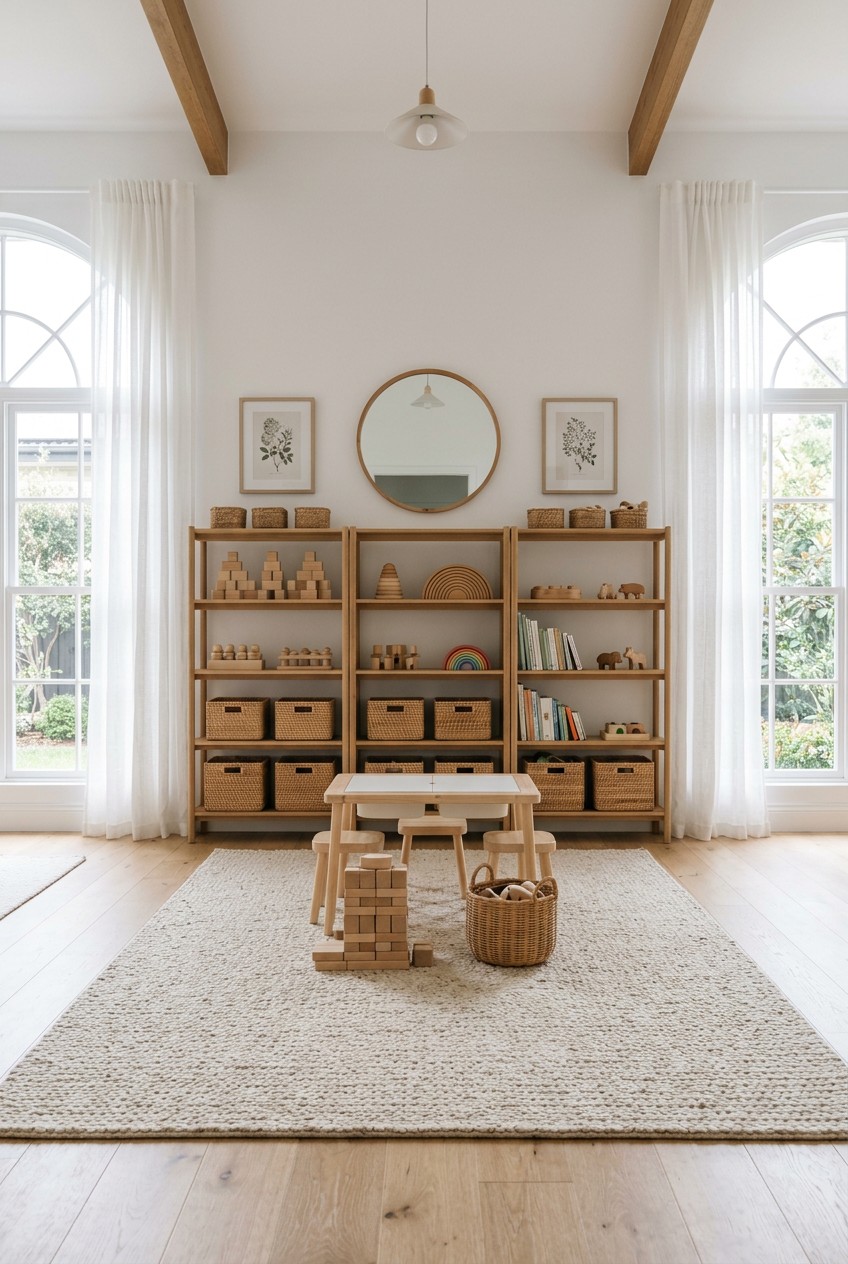
I personally swear by the Lovevery Montessori Playshelf for this. It costs $450, which I know is steep, but it’s a 2-in-1 storage solution made from gorgeous Baltic birch ply. Last Friday afternoon in my living room, I was swapping out toys and couldn’t help but appreciate the smooth texture and natural wood smell of this shelf. It features soft-close technology to protect little fingers. The heavy thud of the wooden lid closing is so satisfying. The back of the shelf has hidden storage where you can stash the out-of-rotation toys. I’ve found that when I only leave out a few high-quality items, my toddler actually concentrates and plays independently for longer than five minutes. It’s worth the investment if you’re tired of constant playroom chaos. Trust me.
2. Prioritize Decluttering Before Organizing Toddler Toy Storage

Most people get this wrong. They run out to buy fancy bins before they even look at what they own. Before you buy a single basket, you must ruthlessly declutter. Professional organizer Azure MacCannell says editing is the most important part of organizing, and she’s right. You’re never going to have a clean house if you’re trying to organize actual garbage.
Yesterday morning, I sat on my sticky wool living room rug sorting through a massive pile of junk. My hands were covered in a weird residue that smelled exactly like old apple juice. I ended up throwing out a cheap, off-brand plastic piano I bought at Kroger last month because three of the keys were already broken. You need to grab a box of 13-gallon Hefty Strong Large Trash Bags—they cost $13.49 for a 40-count box at Target—and get to work. Throw away anything broken, incomplete, or missing pieces. If a puzzle is missing half its pieces, it goes in the trash. The goal is to ensure only items that encourage active, hands-on learning remain. I’ve noticed a huge difference in my own stress levels just by throwing out the plastic junk that nobody plays with anyway.
3. Utilize Accessible, Child-Height Storage

If your toddler can’t reach their toys, they won’t put them away. It’s that simple. I used to keep all the good toys on a high shelf, thinking it looked cleaner. Instead, I just created a situation where I had to fetch every single item all day long. You need to ensure all primary toy storage is at your toddler’s eye level and within easy reach to encourage independence.
Last month, I dragged my family to IKEA. After eating a plate of Swedish meatballs in the cafeteria, we bought the IKEA TROFAST series. The standard white pine frame with six plastic bins costs around $94.99 and measures 39×17 3/8×22 inches. It’s the perfect height. I love the rough, scratchy sound the plastic bins make when you slide them along the wooden rails. The interchangeable bins are brilliant because even the smallest hands can pull them out, dump them, and slide them back in. My biggest pro tip here is to skip the giant, deep toy boxes. They just become a black hole where favorite toys get crushed at the bottom. Low, wide storage like the TROFAST lets kids see exactly what they own without having to dig.

Delamu 2-Tier Multi-Purpose Bathroom Under Sink Organizers
If you want something that just works, Delamu 2-Tier Multi-Purpose Bathroom Under Sink Organizers and Storage is a safe bet (72 reviews, 4.5 stars).
4. Opt for Clear Bins with Picture Labels

Using solid, opaque bins is a mistake. I tried this wrong for months. I bought these dark navy fabric cubes because they matched my curtains, and it was a total disaster. My toddler had no idea what was inside them, so he’d just dump every single one on the floor until he found his favorite wooden train. You need to use clear plastic storage bins so your kid can actually see their stuff.
I’m a huge fan of The Container Store’s SmartStore Tote line, which ranges from $7.99 to $25.99 depending on the size. I also like the Citylife Clear Storage Boxes, which you can get in a 4-pack for $22.99. Tuesday afternoon in the playroom, I finally decided to fix my labeling system. I was peeling off old masking tape that left a horrible sticky residue on the plastic. I ended up washing the bins in the sink with 1/2 cup of warm water and 2 tablespoons of blue Dawn dish soap to get the glue off. Once they were clean, I printed new labels featuring both the printed word and a clear picture of the toy. This helps toddlers identify contents instantly, promotes early word recognition, and makes cleanup easier. If they can’t read yet, the picture of the blocks tells them exactly where the blocks go.
5. Categorize Toys for Simplified Cleanup

If you just throw every toy into one giant bin, you aren’t really organizing. You’re just hiding a mess. You need to group similar toys together in designated bins or baskets. Dedicate one specific bin exclusively for building blocks, another just for wooden cars, and a third purely for puzzles. This teaches children basic categorization skills and makes it easier for them to find what they want. You might also like: 15 Inspiring Cozy Home Hacks That Changed Everything
Sunday morning, I was sitting on the floor sorting a massive pile of wooden blocks. The loud, sharp clatter of the wooden blocks hitting the bottom of the plastic basket actually made my ears ring. I use the Target Brightroom Y-Weave plastic baskets for this. They cost exactly $4.00 each and measure 11 by 13 inches. They’re cheap, durable, and easy to wipe down. Honestly, the categorization concept hit me last week when I was hauling groceries inside in brown paper bags from Sprouts. I keep my produce separate from my pantry dry goods, so why wouldn’t I do the same thing for my kid’s toys? Teaching them that everything has a specific home is a habit that pays off when it’s time to clean up before dinner. You might also like: 15 Stunning Home Storage Ideas to Transform Your Space
6. Invest in Multi-functional Furniture

If you live in a smaller house or an apartment, you can’t waste floor space on single-use furniture. Maximizing space with furniture that serves a dual purpose is a huge trend, and I understand why. You need to look for ottomans with hidden storage compartments, benches with built-in drawers, or coffee tables with lower shelves for baskets. You might also like: 20 Stunning Tool Storage Organizing Ideas for a Fresh New Look
I recently bought the Better Homes & Gardens Storage Organizer Bench from Walmart. It costs exactly $98.00 and features four 13 by 18 by 13 inch cubbies beneath a padded seating area. The cubbies perfectly hold standard 13-inch canvas cubes. Last night, I was sitting on the grey padded linen cushion to tie my shoes. The fabric was slightly scratchy against my bare legs, but the bench itself is incredibly sturdy. I love that I can hide all the ugly, brightly colored plastic toys inside the canvas cubes, and when guests come over, it just looks like a normal piece of entryway furniture. The mistake I made in my last house was buying a dedicated wooden toy chest that took up half the room and couldn’t be used for anything else. Multi-functional pieces are the only way to go if you want your living room to still look like adults live there.

Sterilite 4 Pack Ultra Latching Box, Storage Bins with Lids
Honestly, Sterilite 4 Pack Ultra Latching Box surprised me — sturdier than it looks in the photos, and over 126 buyers gave it 4.5 stars.
7. Anchor All Tall Storage Units for Safety

This is a critical safety tip that most people overlook, and I’m guilty of it too. I skipped anchoring my nursery bookshelf for a whole month because I was tired and lazy. Then, one afternoon, I walked in and saw my toddler climbing the wooden shelves like a ladder trying to reach a stuffed bear. My heart totally stopped. The whole unit wobbled. I’ve never moved so fast in my life.
You absolutely must anchor tall bookshelves or shelving units to the wall using a heavy-duty anti-tip kit. This prevents them from toppling over and causing a tragedy. I immediately went out and bought the Safety 1st Furniture Wall Straps, which cost $6.99 for a 2-pack. Two weeks ago, I finally installed them. The loud, high-pitched whine of my power drill echoed through the nursery, and I breathed in a cloud of white drywall dust while installing the anchors. It was messy and annoying, but it’s non-negotiable. If you’re buying tall storage for your kid’s room, you can’t skip this step. The peace of mind knowing that heavy wooden shelf won’t crush your child is worth ten minutes of drilling and a little bit of dust on your floor.
8. Utilize Vertical Space with Over-the-Door Organizers

When you run out of floor space, you have to look up. Using vertical storage solutions like over-the-door organizers is the best way to keep tiny, annoying items contained. These are excellent for storing smaller toys, craft supplies, or dress-up clothes, maximizing space that usually goes to waste.
I personally use an over-the-door shoe organizer for small toys, and it works perfectly. I bought the Whitmor 24-Pocket Over-The-Door Shoe Organizer from Amazon for $12.99. It measures 19 by 64 inches and hangs right over the closet door. Yesterday in the hallway, I was sorting out a massive pile of tiny plastic action figures. The strong chemical smell of the clear vinyl pockets was a little overwhelming at first, but it faded quickly. I spent twenty minutes shoving little 4 oz plastic Batman and Spider-Man figures into the individual slots. The clear pockets are brilliant because my kid can see exactly where his favorite figures are without dumping out a whole bin. I’d highly recommend this for Barbie dolls, Hot Wheels cars, or even small containers of Play-Doh. It gets the clutter off the floor and out of your way.
9. Repurpose Hardware Cabinets for Tiny Pieces

If your kid is obsessed with tiny toys like LEGO pieces, Barbie shoes, or little craft beads, standard bins just won’t work. They all sink to the bottom and get lost. A surprising tip I learned from a fellow mom is to use a garage hardware cabinet with multiple small drawers. It keeps tiny parts perfectly organized and prevents them from getting mixed up in the vacuum cleaner.
Last weekend in my messy garage, I stepped on a tiny, hard plastic Barbie shoe. It hurt almost as much as the Stegosaurus incident. I immediately marched inside and ordered the Akro-Mils 24 Drawer Plastic Parts Storage Hardware and Craft Cabinet. It costs $35.99 and measures 20 by 16 by 6.5 inches. The satisfying click of the hard plastic drawers sliding shut is the best sound in the world. I actually bought this cabinet originally after a massive Costco run where I bought a bulk 40-pack of AA batteries, but I realized it was perfect for toys. I’ve sorted all the tiny LEGO accessories into color-coded drawers. It makes it so much easier for older toddlers to manage their own small pieces without constantly asking you to find a missing plastic sword.

8 Pack Extra Large Heavy Duty Moving Bags
8 Pack Extra Large Heavy Duty Moving Bags has been one of the most consistently praised picks in this category. 17 reviewers averaged 4.5/5.
10. Ditch Bulky Board Game Boxes for Zippered Pouches

Board game boxes are the worst. They take up massive amounts of shelf space, the cardboard corners always rip, and the pieces inevitably spill out. Instead of struggling with bulky boxes held together by duct tape, you need to transfer game pieces and instructions into individual zippered pouches.
Thursday evening on the living room floor, I finally snapped. I was staring at a ripped Candy Land box that was practically disintegrating. I threw the cardboard in the recycling bin and transferred everything into the EOOUT 14 Pack Mesh Zipper Pouches. They cost $11.99 for a pack of 14, and they measure 9 by 13 inches, which is perfect for standard game boards. The loud zip sound of the plastic mesh pouch closing felt like a victory. I cut the title off the original box and taped it to the inside of the pouch so we know what game it is. This frees up significant shelf space and makes games completely portable. I actually took a small pouch game with us to Whole Foods yesterday just to keep my toddler busy in the shopping cart while I looked for organic strawberries. It’s a brilliant system.
11. Create “Catch-All” Baskets for Quick Tidying

No matter how organized your playroom is, toys are going to migrate into your living room. It’s a fact of life. Instead of fighting it, place a few attractive, open baskets in common areas. Designate them as “catch-all” spots for the small toys that accumulate on the rug throughout the day.
I bought the Target Pillowfort Kids’ Large Woven Toys Storage Basket for this. It costs exactly $25.00 and measures 16 by 15 inches. Every single night at 7 PM, I do a frantic five-minute sweep of the living room before sitting down on the couch. The rough cotton rope texture of the basket actually scratches my knuckles a bit when I’m tossing loose blocks and stuffed animals inside, but it gets the job done fast. Having a dedicated basket means I’m not running back and forth to the playroom ten times a night. I just dump everything in the catch-all basket, and then the next morning, my toddler’s first chore is to empty that basket and put the toys back in their actual homes. It makes quick cleanups before bedtime simpler and keeps my living room looking sane.
12. Consider Rolling Carts for Portable Play

Sometimes you need the toy storage to come to you. A rolling cart offers flexible storage that can easily move with your child from room to room. It’s perfect for messy things like art supplies, play dough, or sensory materials that you only want them using under direct supervision.
I use the Best Choice Products 3-Tier Water Hyacinth Rolling Cart. I got it for approximately $71.00 at Target, and it measures 15.5 inches long, 11.5 inches wide, and 30 inches tall. Monday morning in the kitchen, I rolled this cart over to the island so my kid could color while I made breakfast. The squeaky metal wheels on my hard tile floor are a little annoying, I won’t lie, but the earthy, natural smell of the dried water hyacinth baskets makes up for it. I keep all the crayons, markers, and construction paper on the top tier, and coloring books on the bottom. When play time is over, I just roll the entire cart back into the hall closet and shut the door. Allowing children to play in different rooms while making cleanup as easy as pushing a cart is a win for any parent.
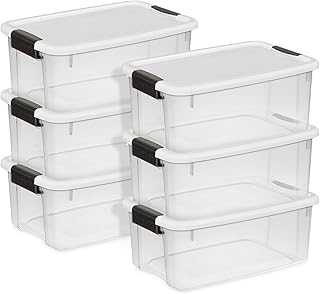
Sterilite 6-Pack Ultra Latching Box, Storage Bins with Lids
Honestly, Sterilite 6-Pack Ultra Latching Box surprised me — sturdier than it looks in the photos, and over 126 buyers gave it 4.5 stars.
13. Implement a “One In, One Out” Rule for Toddler Toy Storage

If you don’t control the volume of toys entering your house, no amount of storage bins will save you. To prevent total toy accumulation, you have to adopt a strict “one in, one out” policy. When a new toy enters the home for a birthday or holiday, an old one must be donated or discarded. This is the only way to maintain a manageable toy collection.
I learned this lesson last Christmas morning. The floor was covered in the loud crinkle of torn wrapping paper, and I was staring at a mountain of new plastic junk from relatives. I felt a wave of pure panic realizing I had nowhere to put it all. Now, I keep a box of Hefty Strong Large Trash Bags ($13.49 for 40 bags) right in the closet. If my kid gets a new fire truck, we find an old, ignored toy to put in the donation bag. Sometimes there’s a little bit of crying over throwing away a broken plastic phone they haven’t touched in six months, but you have to hold firm. It reinforces your decluttering efforts and teaches your kids that they can’t just hoard everything forever. I’ve found it makes them appreciate their new toys a lot more, too.
14. Use Stuffed Animal Hammocks for Plush Toy Control

Stuffed animals breed in the night. I’m convinced of it. They quickly overwhelm a room, taking up precious floor space and collecting a disgusting amount of dust. A lesser-known tip that I absolutely love is to install a small toy hammock in a corner of the bedroom to keep them up off the floor and fully contained.
Saturday afternoon, I was staring at a literal mountain of dusty plushies in the corner of my kid’s bedroom. I ordered the Lilly’s Love Stuffed Animal Hammock for $14.95. It’s huge, measuring 72 by 48 by 48 inches. I grabbed my drill and got to work. I got white drywall dust all over my black leggings while drilling the anchor holes into the corner studs, but it was worth it. As I was loading the stuffed animals in, the stretchy white netting snapped back against my hand a few times—took me years to figure out that trick—and it uses vertical space so effectively. It creates a really fun, visually appealing display for all those plush toys that your kid refuses to sleep without but never actually plays with during the day. It instantly made the bedroom look twice as big.
Honestly, getting your playroom under control isn’t about buying a million expensive matching bins. It’s about owning fewer things and giving every single item a specific, easy-to-reach home. I highly recommend starting with the “one in, one out” rule this weekend and tackling that decluttering phase first. If you found this helpful, definitely pin this article to your favorite home organization board so you can reference these exact product dimensions later. You’ve got this!
Frequently Asked Questions
How do I start organizing toddler toy storage?
Always start by decluttering. Throw away broken toys and donate items your child has outgrown. Once you’ve edited the collection, invest in child-height, accessible shelving like the IKEA TROFAST system so your toddler can reach their toys independently.
What is a toy rotation system?
A toy rotation system involves keeping only 8 to 15 toys accessible at one time while storing the rest out of sight. You rotate the available toys every 2 to 4 weeks to prevent overstimulation and renew your child’s interest.
Should I use clear or solid bins for toddler toy storage?
Always use clear bins. Opaque bins hide the contents, causing toddlers to dump everything out just to find one specific toy. Clear bins, especially when paired with picture labels, help kids identify exactly what’s inside quickly.
How can I store tiny toy pieces safely?
Repurpose a plastic hardware or craft cabinet with small, sliding drawers for tiny items like LEGOs or Barbie accessories. For board games, ditch the bulky cardboard boxes and store the pieces in labeled mesh zippered pouches.
