
What’s Inside
- Start With A Ruthless Declutter (And Actually Involve Your Kids)
- Implement A Toy Storage Organization Rotation System
- Categorize And Contain With Specific Bins
- Embrace Open Storage At Child-Height
- Label Everything With Picture Tags
- Maximize Vertical Space With Over-The-Door Storage
- Hide Messes Inside Multi-Functional Furniture
- Switch To Eco-Friendly And Durable Materials
- Avoid The Deep Toy Box Black Hole
- Create Defined Zones For Toy Storage Organization
- Ditch Traditional Bins For Tiny Items
- Enforce The One In, One Out Rule
- Utilize Flat Under-Bed Storage
- Turn Clean-Up Into A Physical Game
- Maintain A Rainy Day Closet For Novelty
- Use Floating Shelves For Fragile Finished Builds
Last November, I stepped on a jagged plastic Magna-Tile at 2 AM on my way to the kitchen. That sharp pain in my heel was the breaking point for my house’s toy storage. I sat on the floor rubbing my foot, staring at a mountain of plastic dinosaurs, detached Barbie heads, and half-finished puzzles that had taken over our living room. It looked like a day care exploded. I spent the next three months testing different systems to fix the mess. Most failed miserably. I bought flimsy canvas bins from Target that collapsed within a week. I tried color-coding tiny plastic building bricks, which lasted exactly twelve minutes before my kids mixed them all together again. But eventually, I found practical methods that actually hold up to daily use by messy toddlers. I’m sharing exactly what worked, what failed, and the specific bins I use now. If you’re drowning in plastic clutter, you need a system that functions in reality, not just on a Pinterest board.
1. Start With A Ruthless Declutter (And Actually Involve Your Kids)

Before you buy a single bin, you need to ruthlessly purge the existing mess. Last spring, I made the mistake of trying to organize 400 loose Hot Wheels cars instead of just getting rid of the ones missing wheels. I spent $80 on specialized dividers that just collected dust. You can’t organize garbage. Get three 30-gallon black contractor bags from Walmart (they cost about $14.99 for a box of 20). Have your kids help you sort through the piles. We do a keep, donate, and trash pile system. I bribe my kids with a trip to Whole Foods for their favorite 365 brand organic fruit strips ($3.49 a box) to keep them motivated through the tedious process. If a toy is visibly broken or missing critical pieces, it goes in the trash bag. If they haven’t touched it in six months, it goes into the donation bag. We usually clear out at least two full bags during a weekend purge. The physical volume of plastic in your house has to decrease first, or no storage system will ever contain it.
2. Implement A Toy Storage Organization Rotation System

A massive pile of options actually overwhelms kids. A rotation system prevents that and forces deeper engagement with fewer items. I keep only 5 to 10 toys or specific activities accessible in the main living space at any given time. I store the rest out of sight in the garage. I use 18-gallon plastic opaque totes from Target ($14.99 each) for the off-duty toys. The opaque plastic is crucial. If kids can see the toys through a clear bin, they’ll beg for them. I rotate the bins every two weeks, or whenever I notice my kids throwing toys around instead of actually playing with them. Hauling heavy bins from the garage to the living room is annoying, but it takes ten minutes and makes old toys feel brand new. I tried doing this weekly at first, but that was too much work. A two-week rotation schedule hits the sweet spot between novelty and parental sanity.
3. Categorize And Contain With Specific Bins

Dumping everything into one giant pile guarantees a mess within five minutes of playtime. Grouping similar toys together makes clean-up intuitive for everyone. I designate one specific bin for all toy vehicles, another for wooden train tracks, and another for doll clothes. I bought the Humble Crew 9-Bin Toy Organizer at Target for $45.00. It features multiple removable plastic bins sitting on angled metal rods. The bins measure exactly 11.5 inches wide, which perfectly fits standard action figures and small vehicles. The angled design means my kids can actually see what’s inside without pulling the bin entirely off the shelf. The assembly process is frustrating because the included Allen wrench is tiny and strips the screws easily, but the finished product is solid. The plastic bins wipe clean with a damp cloth, which matters when a toddler inevitably spills a 4 oz juice box directly into the dinosaur bin.
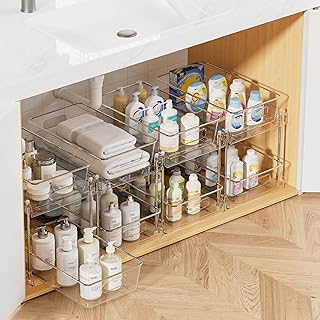
Vtopmart 4 Pack Bathroom Organizer
Vtopmart 4 Pack Bathroom Organizer punches above its price — 65 buyers rated it 4.5 stars. I would buy it again.
4. Embrace Open Storage At Child-Height

Kids won’t put things away if the process requires too many steps. Lids, heavy drawers, and high shelves are massive barriers to independent clean-up. You need open shelves and bins positioned directly at their height. I bought the IKEA KALLAX 2×4 shelf unit for $60.00 and turned it horizontally. The 13×13 inch open cubbies are the right size for toddlers to reach into. I specifically avoid buying lids for the fabric bins that slide into these cubbies. Taking a lid off requires two hands and extra coordination that a tired three-year-old simply won’t bother with. I use the IKEA Drona fabric boxes ($5.99 each) because they fit the cubbies precisely, leaving no awkward gaps for dust or stray puzzle pieces to fall into. The dark gray fabric hides dirty fingerprint smudges much better than the white canvas versions I originally bought and ruined within a month. No exaggeration.
5. Label Everything With Picture Tags

Labels eliminate the excuse of not knowing where things go. For toddlers and preschoolers who can’t read yet, you need visual picture labels so they can match the toy to its designated home. I purchased a digital download set of printable labels from Simply Done Organizing for $15.00. I printed them at home, cut them into 2×4 inch rectangles, and ran them through a cheap thermal laminator. I attach them directly to the fabric bins using sticky-back Velcro dots. The Velcro is essential because it allows me to swap the labels easily when we rotate toys. I tried using safety pins to attach labels at first, but my son immediately pricked his finger, so I threw those out. The laminated picture tags are durable and survive being yanked off the bins repeatedly. When clean-up time happens, I just point to the picture of the wooden block and ask them to find the matching bin. You might also like: 15 Home Office Organization Ideas for Every Budget
6. Maximize Vertical Space With Over-The-Door Storage

Floor space is premium real estate in a playroom. You have to utilize your walls and the backs of your doors to keep the floor clear. I bought a standard 24-pocket clear over-the-door shoe organizer from Amazon for $12.99. I hung it on the back of the playroom closet door. Instead of shoes, it holds a massive collection of small action figures, Barbie dolls, and random plastic wands. The clear PVC plastic pockets let the kids see exactly what they want without dumping a whole bin onto the rug. The plastic material smells strongly of chemicals for the first two days, so I recommend airing it out in the garage before hanging it inside. This single $13 item cleared an entire 2-foot section of floor space in our house. It’s practical for oddly shaped toys that don’t stack well in traditional square boxes. You might also like: 13 Sliding Door Closet Organization Ideas You Need to See
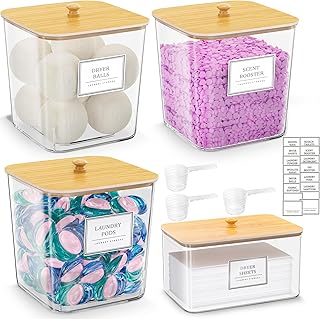
HomePekite Laundry Pods Storage Container
Honestly, HomePekite Laundry Pods Storage Container surprised me — sturdier than it looks in the photos, and over 16 buyers gave it 4.5 stars.
7. Hide Messes Inside Multi-Functional Furniture

If your playroom is also your main living room, you need furniture that works double duty. I prefer storage ottomans or benches with hidden compartments. I use two Poppin Box Benches from The Container Store. They cost $49.99 each and measure exactly 15x15x15 inches. They function as extra seating when we have guests over, but the tops pop off to reveal deep storage space. I keep the bulky, ugly plastic toys in these specific benches. The faux leather exterior looks decent next to my actual living room furniture, and you’d never know they hold thirty plastic farm animals. The lids fit snugly, which is great for hiding the mess, but it does mean toddlers sometimes struggle to pull them off independently. I usually have to pop the lid off for them, but the aesthetic trade-off is worth the minor inconvenience to me. You might also like: 15 Inspiring Home Makeover Ideas You Haven’t Thought Of
8. Switch To Eco-Friendly And Durable Materials

Cheap plastic bins crack easily when kids step on them or drop them on hard floors. I’ve thrown away dozens of shattered plastic dollar-store bins. I shifted to buying sustainable, durable storage solutions instead. I buy stackable bins from Green Toys, which are manufactured from 100% recycled plastic milk jugs. The plastic is thick, slightly textured, and practically indestructible. For softer storage, I buy organic cotton rope baskets from Sprouts Farmers Market when they go on sale for $24.99. The thick cotton rope holds its shape even when completely empty, unlike flimsy wire-frame laundry hampers. The natural cotton color blends into any room decor. The only downside is that the cotton baskets absorb odors, so if a kid leaves a half-eaten apple in one of them for three days, you’ll have to spot-clean the fabric with white vinegar and baking soda.
9. Avoid The Deep Toy Box Black Hole

Large, deep toy chests are terrible for daily organization. They instantly become a disorganized black hole where small toys sink to the bottom and are forgotten. Kids end up dumping the entire heavy chest out just to find one specific plastic dinosaur at the bottom. I strongly advise against traditional deep chests. If you absolutely must use one for bulky items like stuffed animals, buy one with a high-quality safety hinge. I use the Delta Children MySize Deluxe Toy Box (around $89.99). It features a slow-closing lid mechanism that prevents the heavy wooden top from slamming down on little fingers. I learned that the hard way when an older thrifted toy box slammed shut on my hand while I was digging for a lost puzzle piece. The Delta box is shallow enough (16 inches deep) that toys don’t get permanently lost in the abyss.

Delamu 2-Tier Multi-Purpose Bathroom Under Sink Organizers
If you want something that just works, Delamu 2-Tier Multi-Purpose Bathroom Under Sink Organizers and Storage is a safe bet (73 reviews, 4.5 stars).
10. Create Defined Zones For Toy Storage Organization

An open room invites kids to spread everything everywhere. Dividing the play area into distinct, physical zones contains the mess to specific corners. I set up a reading nook with a rug, a building block station near the hard floor, and an art corner by the window. I use low modular storage systems to create physical boundaries between these zones. The IKEA TROFAST series is perfect for this. I bought two pine wood frames for $45.00 each and filled them with sliding plastic bins. I lined the frames up to act as a low divider wall between the messy art station and the clean reading area. The plastic tracks on the Trofast system warp slightly if you overload the bins with heavy wooden blocks, so I only use them for lighter items like markers, paper, and small plastic figures. Keep the heavy wooden blocks in floor baskets instead.
11. Ditch Traditional Bins For Tiny Items

Standard storage bins are useless for tiny pieces like LEGOs, Polly Pockets, or craft beads. The pieces just scatter across the bottom. I get creative with small containment. I buy clear drawstring makeup bags in bulk (a 12-pack costs $14.99 on Amazon). The kids can see the tiny accessories inside, and the drawstring keeps everything secure. For LEGO bricks, I use the Plano ProLatch StowAway multi-compartment tackle box from Walmart for $9.98. It features 24 adjustable compartments. I use the 2-inch slots for tiny minifigure weapons and the 4-inch slots for vehicle wheels. The clear plastic lets you see everything immediately, and the dual snap latches mean your toddler won’t accidentally dump 400 tiny pieces onto the rug. The latches are tight, so my four-year-old needs help opening it, but that actually prevents unsupervised messes.
12. Enforce The One In, One Out Rule

You can’t buy your way out of a clutter problem if new items constantly enter the house. To prevent toy accumulation, I strictly enforce a one in, one out policy. When a new toy enters the home, an existing toy must be donated, sold, or moved to the garage storage bins. This rule teaches kids how to manage their possessions. Last month, after a birthday party yielded six new board games, I sat down with my kids and we selected six old puzzles to donate to our local library. There were a few tears initially, but holding firm to this boundary is the only way to keep the physical inventory manageable. If you skip this step, your carefully labeled bins will overflow within three months, and you’ll be right back where you started, stepping on plastic bricks in the dark.

Lifewit 6 Pack Clothes Storage Bins with Lids
Honestly, Lifewit 6 Pack Clothes Storage Bins with Lids surprised me — sturdier than it looks in the photos, and over 1,078 buyers gave it 4.5 stars.
13. Utilize Flat Under-Bed Storage

The space under beds is often completely wasted or just collects dust bunnies. It offers massive storage potential for items you don’t need every day. I use flat, rolling bins to store seasonal toys, Halloween costumes, and bulky train track sets. I bought three clear plastic Sterilite 41-quart rolling bins from The Container Store for $22.99 each. They measure 34.8 inches long and slide perfectly under a standard twin bed. The small plastic wheels catch slightly on thick carpet, so you have to pull firmly, but they roll smoothly on hardwood floors. The latching lids keep spiders and dust out of the costumes. Storing these bulky items under the bed keeps them entirely out of sight but easily accessible when my kids suddenly decide they need to dress up as a pirate on a random Tuesday afternoon.
14. Turn Clean-Up Into A Physical Game

Kids hate cleaning up because it feels like a chore. Transforming the process into a physical activity significantly increases their willingness to participate. I bought two LEGO Giant Storage Boxes (the 4-stud size, $34.99 each). They look exactly like oversized LEGO bricks. My kids actually enjoy throwing their loose bricks into the giant brick because it feels like part of the play. For larger items like riding toys and push walkers, I use blue painter’s tape to create designated parking spots on the playroom floor. I tell the kids they have to park their vehicles in the garage before dinner. It sounds silly, but framing the task as a parking job works infinitely better than just yelling at them to put their toys away. The masking tape peels off easily when I need to mop the floors.
15. Maintain A Rainy Day Closet For Novelty

Kids get bored of their toys rapidly, especially during long stretches of bad weather. I maintain a designated rainy day box on the top shelf of my hallway coat closet. When my kids receive duplicate gifts from relatives, or when I find a great clearance deal on a puzzle at Kroger, I stash it in this box instead of immediately giving it to them. When someone is home sick from school, or we’re trapped inside during a thunderstorm, I pull a brand new item down from the shelf. It instantly resets their mood and buys me at least an hour of quiet time. I keep the box on the highest shelf so they can’t reach it. The cardboard box collects a bit of dust up there, but having a secret reserve of novel activities is a lifesaver on difficult parenting days. Trust me on this.
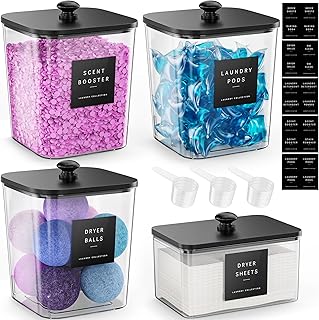
4 Pack Laundry Pods Container
A dependable everyday pick — 4 Pack Laundry Pods Container pulls in 523 ratings at 4.5 stars. Not flashy, just solid.
16. Use Floating Shelves For Fragile Finished Builds

Once your kids transition from building random towers to constructing complex, delicate LEGO sets, tossing them into a bin is no longer an option. The sets shatter, and the kids get furious. You need a dedicated display space that keeps finished projects safe from younger siblings and dogs. I installed four clear acrylic floating shelves on the playroom wall. I bought a 4-pack of 15-inch wide shelves on Amazon for $19.99. I mounted them exactly five feet off the ground, entirely out of reach of my toddler. The clear acrylic visually disappears against the wall, making the LEGO ships look like they’re hovering. The included drywall anchors were terribly cheap and snapped during installation, so I highly recommend using your own heavy-duty anchors. Now, when my oldest finishes a complex build, it goes straight onto the display shelf instead of getting crushed on the floor.
Finding the right balance for your home takes trial and error, but implementing even three of these strategies will drastically reduce the daily clutter. I highly recommend starting with the contractor bags and a ruthless purge before spending any money on bins. If you found this guide helpful, pin it to your home organization board so you can reference the specific bin dimensions and store prices later when you’re ready to tackle your own playroom.
Frequently Asked Questions
How do I start organizing a massive toy collection?
Always start with a ruthless declutter. Grab heavy-duty trash bags and sort items into keep, donate, and trash piles. You can’t organize broken or outgrown toys. Reduce the physical volume first before buying any storage bins or shelves.
What is the best way to handle tiny toy pieces?
Ditch traditional large bins for tiny items. Use clear drawstring bags or plastic multi-compartment tackle boxes. Tackle boxes feature adjustable slots and tight snap latches, which keep small accessories contained and prevent accidental massive spills on the floor.
How does a toy rotation system work?
Keep only 5 to 10 toys accessible in the main play area. Store the rest in opaque plastic bins out of sight, like in a garage or closet. Swap the accessible toys every two weeks to maintain novelty and prevent overwhelm.
Why should I avoid deep toy boxes?
Deep toy boxes become disorganized black holes where small items sink to the bottom. Kids will dump the entire heavy chest just to find one specific item. Opt for shallow bins or open, child-height shelving to keep items visible and accessible.
