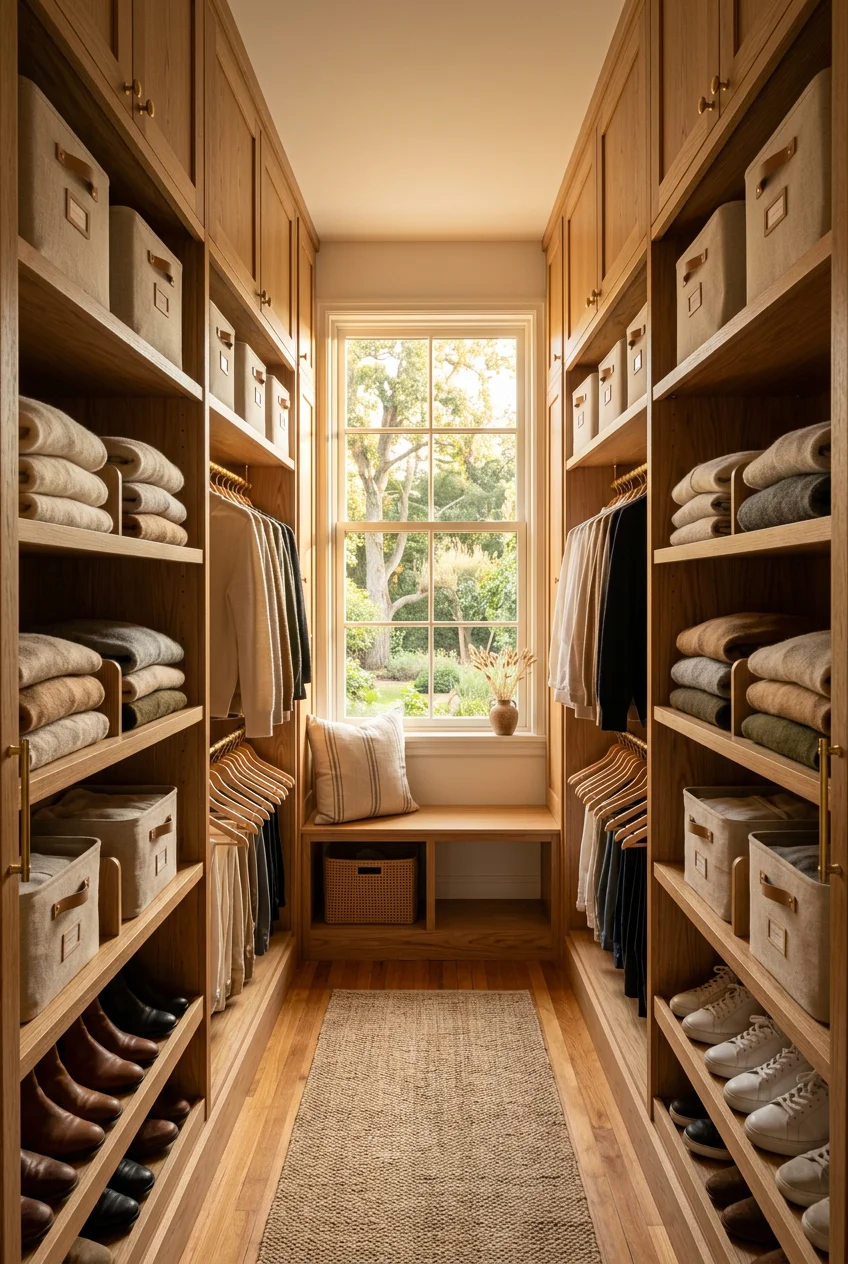
What’s Inside
- Master Climate Control for Longevity
- Always Clean Before Storing
- Invest in Archival-Quality, Acid-Free Tissue Paper
- Choose Breathable Garment Bags for Vintage Closet Organization Ideas
- Select Appropriate Hangers (or Avoid Them Entirely)
- Utilize Archival Storage Boxes for Folded Items
- Implement Safe Pest Deterrents
- Repurpose Vintage Furniture (2026 Trend)
- Embrace Sustainable Drawer Organization
- Protect Against Light Exposure
- Stuff Accessories to Maintain Shape
- Avoid Overcrowding Your Closet
- Handle with Care and Clean Hands
- Label Everything Clearly
I cried over a puddle of melted sequins last Tuesday. It sounds dramatic, but it’s the truth. I opened a cheap plastic tub from Target, hoping to pull out my grandmother’s 1960s beaded shift dress for a party. Instead, I found a sticky, yellowed mess smelling of mildew and old pennies. The plastic had trapped moisture, the wire hangers had rusted, and the heavy beads had torn the fragile silk shoulders to shreds. I learned the hard way that you can’t just toss delicate historical fabrics into a bin. If you need vintage closet organization ideas, you’re in the right place. I’ve ruined enough priceless garments to know exactly what fails. These ideas will save your clothes and your sanity. Let’s fix your storage setup before you end up weeping over a ruined piece of fashion history.
It’s easy to think organizing old clothes is just like organizing modern ones. It isn’t. Modern synthetics handle a lot of abuse, but a 1940s rayon dress or a 1920s silk slip will disintegrate if you look at it wrong. Over the past five years, I’ve overhauled my storage. I threw out the garbage bags, ditched the wire hangers, and stopped treating my closet like a humid jungle. I’m going to walk you through what I buy, the costs, and the mistakes I made so you don’t have to repeat them. Grab a coffee and let’s get into the nitty-gritty of preserving your wardrobe.
1. Master Climate Control for Longevity

I used to store my out-of-season vintage coats in my uninsulated attic. I thought I was being clever by freeing up space in my bedroom. Fast forward to a brutally hot July, and the heat baked the natural oils out of a 1950s wool coat. The fabric felt like dry, brittle leaves and cracked when I tried to fold it. You must maintain a stable environment. The ideal temperature is between 65°F and 75°F, with relative humidity hovering around 40 to 50 percent. This prevents fabric embrittlement, stops mold growth, and keeps dyes from fading.
Don’t guess your closet’s climate. I bought an AcuRite Digital Humidity and Temperature Monitor for $12.99 at Walmart while I was picking up paper towels last month. It sits on my top shelf. If the humidity creeps past 55 percent, I run a small dehumidifier. Attics and basements are the worst places for vintage storage because they experience drastic swings. Keep your precious items in the main living areas where the climate is controlled. It’s a small change, but it’s the foundation of everything else.
2. Always Clean Before Storing

Most people get this wrong, and I was one of them. I once wore a stunning 1970s disco shirt to a summer wedding, sweat in it a tiny bit, and hung it back in the closet because it looked and smelled clean. Six months later, I pulled it out to find massive, dark brown rings under the armpits. Invisible stains like perspiration or food particles oxidize over time. They rust on the fabric, causing permanent discoloration and attracting silverfish and moths.
You can’t store vintage clothing that hasn’t been thoroughly cleaned. For items that can handle water, I hand-wash them using Soak Wash. A 12 oz bottle costs about $18 at Target, and it’s incredibly gentle. You just soak the item for 15 minutes and squeeze the water out. The smell is fresh, and it doesn’t require aggressive rinsing. If the item is dry-clean only, find a cleaner who specializes in vintage textiles. Regular dry cleaners use harsh chemicals that strip the life out of old fabrics.
3. Invest in Archival-Quality, Acid-Free Tissue Paper

Regular tissue paper is full of acid. I found this out when I used leftover green gift tissue from Whole Foods to stuff a white 1930s silk scarf. The acid and moisture caused the green dye to transfer onto the silk, leaving it looking like a bruised apple. You have to use unbuffered acid-free tissue paper for everything vintage. It prevents creasing and helps items retain their shape when stuffed into sleeves, bodices, and hats.
I swear by the Gaylord Archival Unbuffered Acid-Free Tissue. You can get a 100-pack of large sheets for around $50. It sounds expensive, but it’s cheaper than ruining a $300 dress. If you need a smaller amount, Retro Clean Acid Free Tissue comes in a 12-piece pack of 24 by 36-inch sheets for about $15. The paper feels crisp and substantial. I use it to line every box and pad every fold. It’s an absolute necessity.
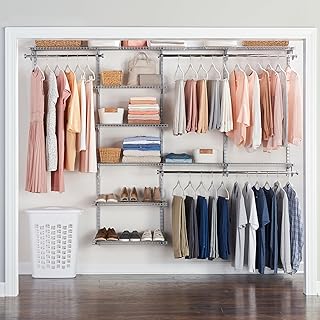
Rubbermaid Configurations Deluxe Custom Closet Kit 4-8 Ft.
A dependable everyday pick — Rubbermaid Configurations Deluxe Custom Closet Kit 4-8 Ft. Adjustable pulls in 81 ratings at 4.5 stars. Not flashy, just solid.
4. Choose Breathable Garment Bags for Vintage Closet Organization Ideas

Throw away those plastic dry-cleaning bags immediately. They’re the enemy. Plastic traps moisture, prevents fabrics from breathing, and off-gasses chemicals that react with vintage dyes. This causes yellowing and mildew. I once left a 1980s taffeta prom dress in a plastic bag for two years, and when I unzipped it, the trapped chemical smell was so strong it made my eyes water, and the white fabric had turned a sickly yellow.
Instead, opt for breathable cotton muslin garment bags or Tyvek garment bags. They allow air circulation while blocking dust and light. I use the Foster-Stephens 60-inch Cotton Muslin Garment Bag, which costs $24.99. The cotton feels soft, and it has a sturdy zipper that doesn’t snag. Tyvek is also great and has a funny, crinkly sound, but it’s practically indestructible. Whichever you choose, make sure the bag is long enough that the hem isn’t pooling at the bottom, which causes permanent wrinkles. You might also like: 15 Gorgeous Hacks Home Organization to Inspire Your Next Project
5. Select Appropriate Hangers (or Avoid Them Entirely)

Wire hangers leave permanent peaks in the shoulders of your clothes, or hanger bumps. Wood hangers are bulky and often acidic. For items that must be hung, use slim velvet hangers. They grip delicate fabrics like silk blouses so they don’t end up on the floor. I buy Mainetti USA slim velvet hangers. A 50-pack runs about $25, and they save up to 30 percent of your closet space. You might also like: 15 Inspiring Small Space Laundry Room Ideas to Steal Right Now
However, you can’t hang everything. Heavy vintage garments, especially wool knits and beaded dresses, should never see a hanger. Gravity is a cruel mistress. I hung a heavy beaded flapper dress on a padded hanger, and the sheer weight of the glass beads stretched the fragile silk shoulders until they tore. Heavy items must be folded flat. If you’re wondering whether to hang or fold, always fold. It’s the safest bet. You might also like: 15 Clever Kitchen Small Space Ideas That Changed Everything
6. Utilize Archival Storage Boxes for Folded Items

When you fold those heavy or delicate garments, you can’t just shove them into a generic cardboard box. Standard cardboard is highly acidic. I once used a leftover bulk snack box from Costco to store antique lace collars. Two years later, the edges of the lace touching the cardboard had turned brown and brittle from acid burn. You must use acid-free archival storage boxes.
Brands like Gaylord Archival offer amazing options. I use their 30 by 18 by 6-inch textile storage box, which costs around $35. It feels sturdy and has metal reinforced corners. I line the bottom with my acid-free tissue paper, lay the garment inside, and pad the folds with more tissue. Here’s a crucial pro tip: you can’t just leave them there forever. Take the garments out and refold them along different lines every three to four months. This prevents the fabric fibers from breaking at the creases.

AWTATOS Cube Storage Organizer Storage 12 Cube Bookshelf
AWTATOS Cube Storage Organizer Storage 12 Cube Bookshelf DIY Plastic C has been one of the most consistently praised picks in this category. 28 reviewers averaged 4.5/5.
7. Implement Safe Pest Deterrents

Mothballs are toxic, contain harsh chemicals, and make your clothes smell like a dusty nursing home. I refuse to use them. Instead, you need natural alternatives. Aromatic cedar blocks are fantastic because they repel moths and control moisture. I buy sets from Ceddera. A 24-piece set of cedar rings and blocks costs about $20. They smell like a fresh, sweet forest.
But here is a warning: never let cedar wood come in direct contact with your vintage garments. Cedar is highly acidic. I made the mistake of resting a cedar block directly on a white cotton summer dress, and it left a permanent, dark yellow acid burn on the skirt. I wrap my cedar blocks in a scrap of washed white cotton muslin before placing them in my storage boxes. You get the protective scent without the chemical damage.
8. Repurpose Vintage Furniture (2026 Trend)

One of the biggest 2026 trends I’m seeing is moving away from sterile, modern closet build-outs and embracing heritage storage. Repurposing a vintage hutch or an antique wardrobe for shoe and accessory storage is brilliant. I found a gorgeous, slightly beat-up 1920s oak hutch at a thrift store for $150. I cleaned it up and moved it into my walk-in closet.
A hutch offers multiple storage areas perfect for displaying vintage heels and structured handbags. If you use a wardrobe, you can fit it with custom shelves spaced 8 to 9 inches apart. This spacing allows you to hold about 12 pairs of shoes per shelf without wasting vertical space. The visual contrast of colorful vintage shoes against dark, aged wood is stunning. It adds character, and it’s far more functional than stacking ugly plastic shoe boxes on the floor.
9. Embrace Sustainable Drawer Organization

We’re done with cheap plastic bins that crack after a year. The upcoming 2026 trend emphasizes eco-friendly materials. Think bamboo drawer dividers, recycled glass, and structured fabric storage baskets. I recently bought a 4-pack of Royal Craft Wood bamboo spring-loaded dividers for $19.99 while I was eating organic gummy bears from Sprouts and online shopping in bed. They look beautiful and keep my delicate silk scarves perfectly separated.
For a surprising tip, go to an antique mall and buy vintage metal muffin tins. They usually cost around $10. I use them inside my dresser drawers to organize small accessories like vintage brooches, clip-on earrings, and sewing notions. The little cups are the right size to keep chains from tangling, and it feels authentic to store vintage jewelry in a vintage container. It’s a tiny detail, but it brings me joy every time I open the drawer.

Ulif E10 Clothes Rack(With Stretchable Hanger
If you want something that just works, Ulif E10 Clothes Rack(With Stretchable Hanger Rod)Freestanding Clothin is a safe bet (951 reviews, 4.5 stars).
10. Protect Against Light Exposure

Light is a silent killer of textiles. Ultraviolet light from the sun, and even standard light bulbs, will cause irreversible fading and deterioration of old fabrics. I had a gorgeous emerald green velvet blazer hanging near a window. After one summer, the left shoulder that faced the window had faded to a sickly, pale yellow-green. The fabric also felt weaker in that spot. I was devastated.
You must store all vintage items in a dark place. If your closet has a window, you can’t just rely on standard blinds. You need blackout curtains. I bought a 2-panel set of Eclipse Kendall blackout curtains for $22.99 at Target, and they block 99 percent of the light. When I’m not picking out an outfit, the closet lights stay off. Treat your vintage collection like a vampire. The darker the environment, the longer the colors and fibers will survive.
11. Stuff Accessories to Maintain Shape

Vintage accessories need just as much love as the clothes. Handbags, hats, and leather shoes will collapse, crease, and crack if they aren’t properly supported. I pulled a vintage Gucci leather bag out of storage once, and because I hadn’t stuffed it, it looked like a deflated, wrinkled balloon. The leather had formed a deep crease right down the middle that I couldn’t buff out.
You have to stuff them to maintain their structural integrity. Use your unbuffered acid-free tissue paper. Crumple it up and pack it firmly into the toes of shoes, the crowns of hats, and the bellies of handbags. Don’t overstuff them to the point where the seams are stretching, but give them enough volume to stand up naturally. For shoes, I store them in their own individual acid-free boxes. It prevents dust buildup and stops the leather from drying out.
12. Avoid Overcrowding Your Closet

Expert organizer Amy Mayberry always advises against cramming clothes together, and I agree. When you pack garments so tightly that you have to shove them aside to see what’s there, you’re doing major damage. Overcrowding leads to deep, permanent wrinkles, crushed embellishments, and worst of all, it restricts air circulation. Without airflow, moisture gets trapped, creating a breeding ground for mildew.
I used to have my closet so packed that pulling out a dress sounded like Velcro ripping. Now, I make sure there is at least half an inch of space between every hanging garment. You should be able to slide your hand smoothly between the hangers. This is another reason why those slim velvet hangers are so crucial. They give you back the space you need to let your garments breathe. If your closet is still too full, rotate seasonal items into archival boxes.

Ulif E1 Heavy Duty Closet Garment Rack
Ulif E1 Heavy Duty Closet Garment Rack punches above its price — 14 buyers rated it 4.5 stars. I would buy it again.
13. Handle with Care and Clean Hands

Your hands are covered in natural oils, dirt, and whatever products you’ve applied. I once rubbed Trader Joe’s Midsummer Night’s Cream on my hands, forgot about it, and grabbed a 1940s peach silk blouse. The lotion transferred instantly, leaving a dark, greasy thumbprint on the collar that looked like a wet potato chip stain. I had to pay $40 to a specialty cleaner to get it out.
Always wash and dry your hands before handling vintage textiles. Avoid wearing heavy lotions, perfumes, or sharp jewelry that could snag delicate threads. If you’re handling very fragile or museum-quality items, wear clean cotton gloves. I buy Cara white cotton gloves for $6.99 at my local Kroger pharmacy. They feel soft, are washable, and ensure that zero oils or acids from your skin transfer to the historical fabrics.
14. Label Everything Clearly

When you have dozens of identical white muslin garment bags and brown archival boxes, finding a specific item is a nightmare. If you don’t label things, you’ll end up opening every single box, unpacking the tissue paper, handling the delicate garments, and repacking them just to find one skirt. All that unnecessary handling increases the risk of snags, tears, and oil transfer.
You need to label every storage container clearly. I use a Brother P-Touch label maker that I bought for $34.99 at Target. I print out specific labels. Instead of just writing “Shirts,” I write “1930s SHEER BLOUSES – HANDLE LIKE EGGS.” It tells me exactly what’s inside and reminds me to be careful. While you’re looking at your labels, make it a habit to inspect your collection every three to four months. Check the corners of the boxes for signs of pests, like tiny holes or insect casings, and smell for mildew. Early detection is the only way to prevent widespread damage.
Organizing a vintage closet takes more effort than just throwing jeans on a shelf, but the payoff is immense. You’re preserving history, protecting your investment, and ensuring these beautiful pieces survive for another generation to wear. I wish I’d known all of this before I ruined that beaded dress, but my mistakes can be your blueprint. Start with the acid-free tissue paper and the climate control, and build from there. If you found these tips helpful, pin this article so you can reference the exact product names and measurements the next time you’re overhauling your wardrobe!
Frequently Asked Questions
What is the best temperature for a vintage closet?
Maintain a stable temperature between 65°F and 75°F with 40-50% humidity. Extreme heat or dampness causes fabric embrittlement and mold. Avoid storing vintage items in uninsulated attics or basements.
Can I store vintage clothes in plastic garment bags?
No, you shouldn’t use plastic bags. Plastic traps moisture and off-gasses chemicals that cause yellowing and mildew. Always opt for breathable cotton muslin or Tyvek garment bags for vintage closet organization ideas.
How should I store heavy vintage knits?
Never hang heavy knits or heavily beaded vintage dresses, as gravity will stretch and tear the fragile fibers. Fold them flat in acid-free archival storage boxes lined with unbuffered acid-free tissue paper.
Are mothballs safe for vintage clothing?
Mothballs are toxic and contain harsh chemicals that can severely damage vintage fibers. Instead, use natural aromatic cedar blocks to repel pests, but ensure the cedar never touches the fabric directly to prevent acid burns.
