
What’s Inside
- Ditch the Bathroom Cabinet for Primary Medicine Closet Organization
- Maintain Optimal Temperature and Humidity Levels
- Ruthlessly Declutter Expired and Unused Medications
- Dispose of Medications Safely and Responsibly
- Prioritize Child-Resistant Storage Solutions
- Keep Medicines in Their Original Packaging
- Categorize and Contain for Easy Access
- Maximize Vertical Space with Tiered Organizers and Lazy Susans
- Label Everything Clearly to Avoid Late Night Mistakes
- Embrace Smart Storage Solutions for Medicine Closet Organization
- Utilize Cabinet Doors for Small Items
- Consolidate Daily Medications with a Pill Organizer
- Create a Dedicated First-Aid Zone
- Keep a Running Inventory and Shopping List
Last Tuesday, I chipped a hardened puddle of cherry-flavored children’s Motrin off my bathroom shelf with a butter knife. The bottle had leaked, baked in the daily steam of my showers, and basically cemented itself to the painted wood. That was the exact moment I realized my medicine closet organization was a complete functional disaster. You can’t keep pills and liquid syrups in a humid bathroom environment. The constant temperature fluctuations degrade the active ingredients, ruin the chemical binders in your tablets, and leave you with sticky, ineffective messes when you actually need relief. I spent the next three days pulling every single bottle, tube, and box out of that bathroom and moving them to a dry, dark hallway linen closet. I didn’t want to spend hundreds of dollars on custom acrylic shelving, so I engineered a budget-friendly system using specific containers and strict categorization rules. If you’re tired of knocking over four bottles of vitamins just to find the ibuprofen, you need a methodical approach. Here are the 14 exact steps I took to fix my storage without wasting money.
1. Ditch the Bathroom Cabinet for Primary Medicine Closet Organization

Storing medicines in the bathroom or kitchen is a massive structural error. The humidity from a hot shower easily reaches 80 percent in a small bathroom. That moisture seeps into the tiny gaps in plastic caps. Aspirin literally breaks down into salicylic acid and acetic acid under these conditions. That’s why old aspirin smells exactly like harsh vinegar. I learned this the hard way when I opened a bottle of Bayer last year and the sharp, acidic smell burned my nose. You’ve got to move your primary setup to a hallway linen closet, a bedroom dresser drawer, or a dedicated dry cabinet. Kitchen cabinets are just as bad because the heat from your oven and stove radiates through the wood. If you store your daily vitamins in the cabinet directly above the stove, you’re actively destroying the potency of the ingredients before you even swallow them. I bought a heavy-duty Sterilite 16-quart latching box from Target for $6.98. I packed every single pill bottle, ointment tube, and cough syrup into it and marched it down the hall to a dry closet. Find a dark, dry, temperature-stable space in your house and make that your new health hub.
2. Maintain Optimal Temperature and Humidity Levels

Optimal temperature is a strict, non-negotiable metric for chemical stability. Most medications require storage at a controlled room temperature. That means keeping the environment strictly between 68°F and 77°F (20°C and 25°C). Refrigerated medications, like certain liquid antibiotics or specific preservative-free eye drops, need to stay between 36°F and 46°F (2°C and 8°C). I bought a basic AcuRite digital indoor thermometer for $9.99 and stuck it on my closet shelf just to monitor the baseline temperature. It hovers perfectly at 71°F. You also have to fight ambient humidity, especially if you live in a coastal climate. Even in a hallway closet, summer weather brings moisture indoors. I bought a 50-pack of Dry & Dry Silica Gel Packets on Amazon for $9.99. I drop one packet into every single plastic storage bin I use. Just make sure the packet doesn’t directly touch loose pills. You can also save the food-grade silica packets from Trader Joe’s dried mango bags if you’re on a strict budget. Moisture is the absolute enemy of gel capsules. I once left a bottle of gel-cap ibuprofen in my car during July. They melted into a single, terrifying red clump that I had to throw away.
3. Ruthlessly Declutter Expired and Unused Medications

Professional organizers and pharmacists agree on the strict six-month rule. You need to pull every single item out of your closet twice a year and check the printed dates. I used to ignore expiration dates completely. Then I took a dose of expired NyQuil liquid during a terrible winter cold in 2023. It tasted like metallic sludge, coated my tongue in a weird film, and did absolutely nothing to lower my fever. Active ingredients degrade over time, making them useless or potentially harmful. If you buy a new over-the-counter medicine that doesn’t have a clear expiration date printed on the primary label, you need to mark it yourself. I keep a thick black Sharpie ($1.99 at Kroger) right inside the closet on the bottom shelf. The second I open a new tube of hydrocortisone cream or allergy pills, I write the current month and year directly on the plastic seam. If it sits open for twelve months, I throw it out. Ointments are the worst offenders when they expire. The chemical binders break down completely. When you squeeze an expired tube of antibiotic ointment, a clear, oily liquid shoots out before the actual white cream. It’s disgusting and highly ineffective. No exaggeration.
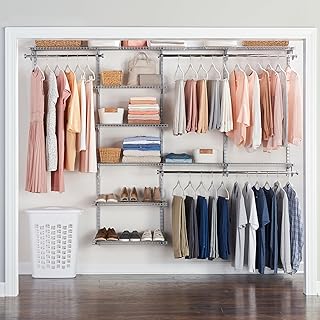
Rubbermaid Configurations Deluxe Custom Closet Kit 4-8 Ft.
A dependable everyday pick — Rubbermaid Configurations Deluxe Custom Closet Kit 4-8 Ft. Adjustable pulls in 81 ratings at 4.5 stars. Not flashy, just solid.
4. Dispose of Medications Safely and Responsibly

Don’t flush your old pills down the toilet. The FDA guidelines clearly state that flushing is only for a very small list of highly dangerous medications. I used to flush old pills until I read a municipal report about local water contamination. Now I strictly use drug take-back programs at my local pharmacy. When I can’t drive to the pharmacy, I mix the expired pills with used coffee grounds. I grab the wet, highly acidic grounds from my morning coffee, dump them into a heavy-duty Ziploc slider bag ($5.49 for 40 at Target), and throw the loose pills directly into the wet sludge. It dissolves the capsules and makes the entire mixture incredibly unappealing and toxic to neighborhood pets who might dig in your outside trash cans. You can also use cheap clay cat litter from Costco ($12.99 for a 42-pound bag). Pour a cup of litter into a bag, add a little water, add the pills, and seal it tight. Never crush the pills before mixing them in, as you don’t want to accidentally inhale the chemical dust.
5. Prioritize Child-Resistant Storage Solutions

Child-proof caps aren’t foolproof. My three-year-old nephew opened a child-resistant Tylenol bottle in exactly 14 seconds flat last Thanksgiving while sitting on my living room rug. You have to store things high up and physically lock them away. I use Vmaisi Magnetic Child Safety Cabinet Locks. A 12-pack costs $24.99 online. They install with heavy-duty adhesive tape, so you aren’t drilling permanent holes into your rental cabinets or expensive woodwork. The magnetic key is literally the only way to disengage the internal latch. If you have frameless mirrored cabinets or weirdly shaped double doors, use the Vmaisi Multi-Use Adhesive Straps Locks ($14.99 for a 6-pack). The installation process is purely mechanical. You wipe the wood with rubbing alcohol, peel the backing, and press hard for 30 seconds. I tried using cheap dollar-store plastic latches once, and they snapped in half the first time I pulled the door too hard. Spend the twenty dollars on the magnetic locks. It gives you massive peace of mind when toddlers are visiting your house. Trust me on this. You might also like: 15 Inspiring Small Space Laundry Room Ideas to Steal Right Now
6. Keep Medicines in Their Original Packaging

Don’t dump your loose pills into aesthetic matching glass jars. I tried the minimalist glass jar trend in 2022 because I wanted my closet to look like a high-end apothecary. I spent $30 on matching bamboo-lid glass jars at Whole Foods. Two months later, I had a migraine and couldn’t remember if the small white oval pills were ibuprofen, acetaminophen, or my husband’s allergy medicine. I had to throw all of them in the trash because taking a guess with medication is incredibly dangerous. You lose the expiration date, the lot number for FDA recalls, and the exact dosage instructions when you ditch the original plastic. Keep the ugly, brightly colored plastic bottles. They are specifically engineered by the manufacturer to protect the chemical compounds from UV light, ambient air, and moisture degradation. If the visual clutter bothers you, place the original bottles inside opaque bins. Always remember to peel off your personal information stickers from prescription bottles before you throw the empty plastic in the recycling bin. You might also like: 14 Aesthetic Closet Organization Ideas That Actually Work

Timate P3 Wall Mounted Closet Organizer System with 5
Timate P3 Wall Mounted Closet Organizer System with 5 Hanging Rods has been one of the most consistently praised picks in this category. 7 reviewers averaged 4.5/5.
7. Categorize and Contain for Easy Access

You have to group like items together so you aren’t reading labels when you feel sick. My strict categories are: Daily Vitamins, Pain Relief, Stomach Relief, Cold & Flu, First Aid, and Children’s Medication. I use mDesign Plastic Storage Organizers for this. A 4-pack is exactly $39.99. They are made of clear, shatter-resistant acrylic, so you see exactly what is inside without pulling the heavy bin down from a high shelf. They measure 10 inches deep by 6 inches wide, fitting perfectly on standard closet shelves. If you have weirdly sized adjustable shelves, the iDesign Linus Expandable Cabinet Organizers ($22.50 each) let you stretch the plastic tray to fit the exact width of your space. I keep a completely separate bin just for children’s liquid medicines. Liquid syringes always drip, and the bottles inevitably get sticky. By keeping them in their own dedicated plastic bin, I only have to wash one container in the sink when a cherry syrup leak happens, rather than scrubbing the actual wooden shelf.
8. Maximize Vertical Space with Tiered Organizers and Lazy Susans

Standard hallway medicine cabinets are usually only 3 to 4 inches deep. Things get shoved to the back, and you end up buying a third bottle of Pepto Bismol because you couldn’t see the two bottles hiding behind the hydrogen peroxide. You need to utilize tiered shelves. I use a 3-Tier Acrylic Cabinet Organizer ($14.99). It looks exactly like small stadium seating. You put the short, squat jars of ointments in the front row and the tall, skinny bottles of cough syrup in the back row. For deeper closet shelves, I use a 9-inch Copco Non-Skid Pantry Cabinet Lazy Susan ($7.99) specifically for my daily vitamins. You just spin the plastic turntable instead of knocking over three bottles of Vitamin C just to reach your zinc supplements. The gray rubber grip bottom keeps the plastic bottles from flying off the edge when you spin it too fast in the morning. Maximizing vertical space means you aren’t stacking boxes on top of boxes, which always leads to an avalanche when you pull the bottom one out. You might also like: 15 Creative Home Organizing Ideas You Haven’t Thought Of
9. Label Everything Clearly to Avoid Late Night Mistakes

Labels stop your family members from yelling across the house to ask you where the assorted bandages are. I use a Brother P-Touch PTH110 Label Maker ($29.98). I print bold, black text on standard white tape. I stick the labels directly onto the front lip of the mDesign acrylic bins. When you have a sudden stomach bug at 2 AM, you don’t want to be reading tiny print on cardboard boxes. You want a big, bright label that says STOMACH in all caps. I tried using standard masking tape and a ballpoint pen once to save money. The paper tape peeled off in the summer humidity, curled at the edges, and left a sticky yellow adhesive residue on my bins that attracted dust and hair. Spend the money on a proper thermal label maker. The labels are waterproof, so you can actually wash the plastic bins in the kitchen sink without ruining the text. It makes the entire closet look intentionally designed and highly functional.

Ulif E10 Clothes Rack(With Stretchable Hanger
If you want something that just works, Ulif E10 Clothes Rack(With Stretchable Hanger Rod)Freestanding Clothin is a safe bet (958 reviews, 4.5 stars).
10. Embrace Smart Storage Solutions for Medicine Closet Organization

This is the 2026 approach to home management. Physical plastic bins aren’t always enough if your inventory is massive. You need modular, customizable systems. The Seville Classics Cabinet Organizer System costs $29.99 and lets you physically adjust the shelf heights within the metal unit as your needs change. I pair this physical hardware with a free inventory app on my phone. I log the expiration dates of the highly expensive stuff, like specialized allergy nasal sprays and EpiPens. When you buy Flonase in bulk at Costco ($44.99 for a 5-pack), you want to make sure you actually use it before the chemical expires. The app pings my phone exactly one month before the expiration date. While a digital app isn’t a physical box, it complements your physical medicine closet organization by ensuring you aren’t storing dead weight. You’re always stocked with viable, non-expired essentials, and you never waste money rebuying something you already have hiding in the back.
11. Utilize Cabinet Doors for Small Items

The inside of your cabinet or closet door is incredibly valuable dead space that most people completely ignore. I attach small, narrow plastic bins to the inside of my closet door using 3M Command Strips ($11.49 for a 14-pack of medium strips). Make sure you clean the painted wood door with rubbing alcohol first and let it dry completely. If you skip the alcohol prep, the adhesive strips will peel off under the weight of the items and crash to the floor. I actually use cheap plastic index card holders from Walmart ($0.97 each) stuck to the door to hold small metal items. Tweezers, nail clippers, safety pins, and small foil packets of travel medication fit perfectly inside these slim boxes. It keeps the tiny, sharp items from getting permanently lost at the bottom of a larger acrylic bin. I tried tossing my tweezers into the first-aid bin for months, and I always ended up stabbing my finger on them when I reached in for a bandage.
12. Consolidate Daily Medications with a Pill Organizer

If you take three or more pills a day, keeping the original bulky bottles on your bathroom counter is unnecessary visual clutter. I use the Auvon XL Weekly Pill Organizer ($8.99). It has massive individual compartments. I can easily fit my giant, thick fish oil capsules in it alongside my magnesium and daily multivitamin. If you just need a basic, small-capacity one, the Amazon Basic Care 7 Day Pill Organizer is usually less than $4.50. I sit down at my kitchen island every Sunday night, open all the bottles, and fill the organizer for the entire week. I keep the original prescription bottles safely tucked away in the hallway closet so I still have the lot numbers and refill dates. This saves me exactly four minutes of opening and closing child-proof caps every single morning. The Auvon organizer has a tight snap closure, so if I drop it on the floor, the pills don’t scatter under the refrigerator.
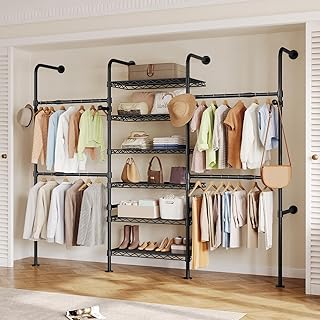
Closet Organizers and Storage
A dependable everyday pick — Closet Organizers and Storage pulls in 39 ratings at 4.5 stars. Not flashy, just solid.
13. Create a Dedicated First-Aid Zone

When someone is actively bleeding from a kitchen knife slip, you don’t have time to dig through boxes of cold medicine. I bought a bright red plastic bin from Target for $3.00. The color coding is intentional so it stands out immediately. Inside, I keep fabric Band-Aids, a fresh tube of Neosporin ($6.29), sterile gauze pads ($4.19), antiseptic wipes, and waterproof medical tape. I also keep a pair of sharp, dedicated scissors in this specific bin. I used to keep the only pair of household scissors in my office desk, which meant running across the house while holding a bleeding paper cut just to open a stubborn gauze wrapper. Keep the red first-aid bin on the lowest shelf of your closet. This ensures that older kids can reach it themselves for minor scrapes without having to drag a step stool over. I check this specific bin every three months because the adhesive on cheap bandages degrades over time and won’t stick to skin.
14. Keep a Running Inventory and Shopping List
I stuck a 5-inch by 7-inch magnetic dry-erase board ($6.99) directly to the inside of my closet door. When I pull the very last allergy tablet out of the blister pack, I write it on the board immediately. Before I do my weekly grocery run to Sprouts or Target, I just snap a quick photo of the white board with my phone. I used to rely entirely on my memory for this. That flawed system resulted in me owning six boxes of Pepto Bismol and zero boxes of daytime cold medicine when flu season hit. If you have specialized items that you use less than once a month, move them out of the primary zone. I put specialized travel vaccines, bulk backup bottles of pain relievers, and extra humidifiers on a high shelf in a plastic storage bin ($12.99) in my bedroom closet. This keeps the primary medicine closet completely clutter-free and dedicated strictly to the essentials you need right now.
Getting your medicine closet organization under control isn’t just about making things look pretty on a shelf. It’s about safety, chemical efficacy, and saving yourself from a massive headache when you’re already feeling terrible. I highly recommend starting with the temperature check and the expiration purge this weekend. Toss the expired junk, wipe down the shelves, and invest in a few clear acrylic bins. Pin this guide to your home organization boards so you have the specific product dimensions and temperature rules handy when you finally tackle that messy hallway closet.
Frequently Asked Questions
Where is the best place for medicine closet organization?
The best place is a cool, dry, dark area like a hallway linen closet or a bedroom dresser. Avoid bathrooms and kitchens, as the high heat and humidity from showers and ovens degrade the active ingredients in your medications.
How do you properly dispose of expired medicine?
Use a local pharmacy drug take-back program. If unavailable, mix the uncrushed pills with an unappealing substance like used coffee grounds or wet cat litter, seal them in a plastic bag, and throw them in your household trash. Never flush them.
What is the optimal temperature for storing medications?
Most over-the-counter and prescription medications require storage at a controlled room temperature, strictly between 68°F and 77°F. Always check specific labels, as some liquid medications require refrigeration between 36°F and 46°F.
Should I take pills out of their original bottles to organize them?
No. Keep medications in their original packaging. The specific plastic protects the compounds from UV light and moisture. Original bottles also retain crucial expiration dates, dosage instructions, and FDA lot numbers for potential safety recalls.
