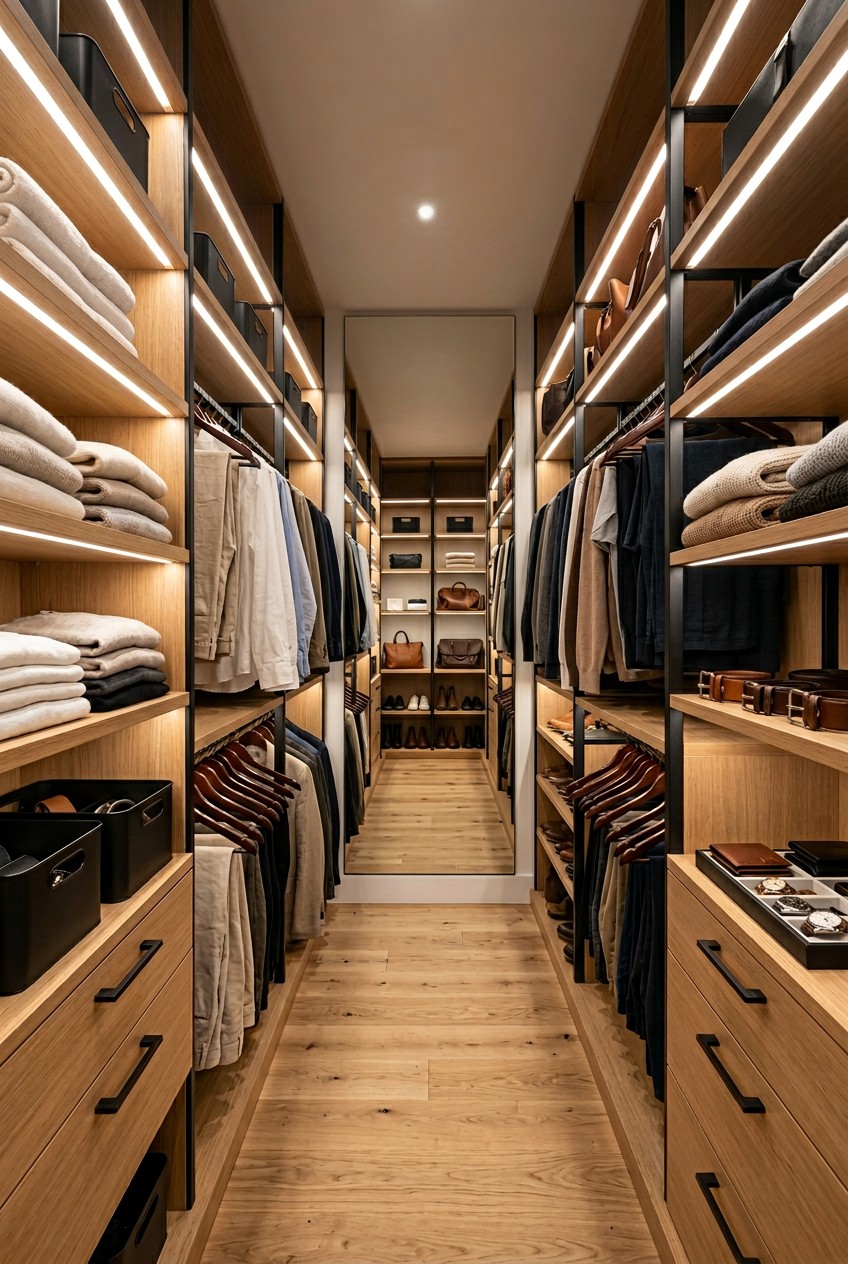
What’s Inside
- Declutter Ruthlessly Before You Start Your Storage Closet Organization
- Measure Absolutely Everything Before You Buy Organizers
- Maximize Vertical Space with Adjustable Shelving
- Standardize Hangers to Save Space and Prevent Damage
- Implement Double Hanging Rods for Shorter Garments
- Invest in Modular Closet Systems for Total Flexibility
- Utilize Clear, Stackable Bins and Labels
- Categorize and Zone Your Belongings Logically
- Don’t Overlook Over-the-Door Organizers
- Store Specific Items Correctly to Maintain Their Shape
- Integrate Smart Lighting for Better Visibility
- Implement a Seasonal Clothing Rotation System
- Embrace Sustainable and Durable Organization Practices
Last Tuesday at Target, I bought three more packs of AA batteries because I swore we were completely out. I came home, opened the hallway door, and found six unopened boxes buried under a mountain of heavy winter coats. That specific brand of frustration is exactly why I finally tackled my storage closet organization. The space smelled like stale dust and old sneakers. I couldn’t find a single thing in there. If you’re tired of buying duplicates and fighting avalanches of junk, you aren’t alone. I’ve been a professional home organization coach for years, and I still mess up my own spaces when I get lazy. Fixing a chaotic space doesn’t require magic. It requires a solid plan, a few specific tools, and a lot of ruthless honesty. Let’s fix this mess together. I’m sharing the exact methods I use to turn disastrous closets into highly functional spaces. Skip the generic advice. We’re getting into the gritty details of shelf depths, hanger types, and battery-powered lights. Grab a coffee. It’s time to get to work.
1. Declutter Ruthlessly Before You Start Your Storage Closet Organization

Before you buy a single bin or shelf, you’ve got to empty the entire space. I mean everything. Pull every single item out and pile it on your bed or the living room floor. You can’t organize clutter. Professional organizers emphasize this as the crucial first step because shoving things around simply won’t work. When I did this last month, I found a crusty, half-empty bottle of generic body lotion from 2018 hiding behind my spare blankets. It smelled like rancid coconut. That’s exactly why you need to touch every single item. Learned that the hard way.
Sort your belongings into three distinct categories: keep, donate, and trash. I personally swear by using heavy-duty black Glad trash bags (the 33-gallon size, usually $14.99 at Walmart) for the trash and donation piles. The black plastic hides the contents, which stops you from second-guessing your decisions and pulling things back out. Be brutally honest about items you haven’t worn or used in the past year. If it doesn’t fit, if it feels outdated, or if it’s broken, let it go immediately.
A common mistake people make is buying the storage containers before doing this purge. I tried this wrong for months before figuring it out. You end up buying containers for trash you shouldn’t even own anymore. Empty the closet, wipe down the bare shelves with a damp cloth, and only put back the items that actually serve a purpose in your daily routine. It’s exhausting, but it’s completely necessary.
2. Measure Absolutely Everything Before You Buy Organizers

A critical mistake I see constantly is purchasing organizing products that don’t fit the physical space. I’ve done this myself. Last year, I bought $40 worth of rigid acrylic bins from The Container Store because they looked pretty on Instagram. I brought them home, and they hung two inches off the edge of my shelf. Every time I closed the door, the door hit the bins. I couldn’t close the closet. It was a total waste of money and effort.
Before buying bins, shelves, or drawer dividers, you’ve got to measure the exact dimensions of your closet. You need a reliable tool. I use a Stanley 25-foot tape measure (about $11.97 at Home Depot). Measure the depth, width, and height of every single shelf. Write these numbers down in your phone notes so you have them when you’re standing in the store.
Shelf depth typically ranges from 12 to 16 inches. This dictates exactly what you can store there. If you’ve got 12-inch deep shelves, you can’t buy 14-inch deep baskets. You also need to measure the vertical clearance between shelves. If you’ve got 10 inches of height, an 8-inch tall bin works perfectly. A 10.5-inch tall bin won’t slide in. Don’t eyeball this. Eyeballing leads to return trips to the store and a massive headache. Measure twice, buy once.
3. Maximize Vertical Space with Adjustable Shelving

Look at the space between your top shelf and the ceiling. If you’re like most people, you’ve got at least two feet of empty air up there. You need to utilize every inch from the floor to the ceiling. Fixed wire shelves are the absolute worst. They leave weird grid marks on your clothes, things fall through the gaps, and you can’t move them when your needs change.
I highly recommend installing adjustable shelves that reach high, allowing you to store less-used items above eye level. For instance, the Elfa Décor+ system (available at The Container Store, often ranging from $500 to $2,500+ depending on your closet size) offers wall-mounted steel organizers with solid wood shelving and hanging rods. You can customize the entire setup and expand it over time. The solid wood feels incredibly sturdy, and the metal brackets click into place with a satisfying snap.
If you’re storing folded clothes, set your adjustable shelves to be 10 to 12 inches apart vertically. This prevents you from stacking shirts too high. Tall stacks always tip over and turn into a messy avalanche. By keeping the vertical spacing tight, you force yourself to make shorter, neater stacks. Put your heavy, out-of-season items on the very top shelf, and keep your daily essentials at waist or chest height.

AMKUFO 6 Pack-Closet-Organizers-and-Storage
Honestly, AMKUFO 6 Pack-Closet-Organizers-and-Storage surprised me — sturdier than it looks in the photos, and over 52 buyers gave it 4.5 stars.
4. Standardize Hangers to Save Space and Prevent Damage

If your closet looks like a chaotic thrift store rack with a mix of thick plastic, wire, and wooden hangers, you’re wasting a massive amount of space. Replace those mismatched, bulky hangers immediately. I threw away an entire garbage bag full of tubular plastic hangers last spring. The terrible scraping sound they make against a metal rod drives me crazy anyway.
Swap everything to slim, non-slip velvet hangers. This creates a cohesive, visually calming look, prevents silky clothes from slipping off, and can significantly free up hanging space. I use the Zober Velvet Hangers (you can get a 50-pack for $23.99 at Amazon). The velvet texture grips the fabric perfectly, so you aren’t constantly picking shirts off the floor.
Here’s a pro tip most people ignore: don’t cram the hangers together until they’re touching. Professional organizers recommend leaving at least 1/4 inch between hangers. This allows your clothes to breathe and prevents deep set wrinkles. If you can’t easily slide a hanger back onto the rod, you’ve got too much stuff in there. The slim profile of the velvet hangers usually buys you about 30 percent more space, but don’t use that as an excuse to buy more clothes. Use that extra space to let your current wardrobe breathe. You might also like: 15 Stunning Organizing Kitchen Home Hacks Ideas You Haven’t Thought Of
5. Implement Double Hanging Rods for Shorter Garments

If you only have one single hanging rod placed at eye level, you’re wasting the entire bottom half of your closet. For items like shirts, blouses, and folded pants, you need to install a second hanging rod below the main one. This effectively doubles your hanging capacity instantly. You might also like: 15 Inspiring Cozy Home Hacks That Changed Everything
I learned this the hard way when I tried to cram long maxi dresses onto a newly installed double rod system. It was an utter disaster. The hems of my dresses were dragging on the floor, collecting dust bunnies and dog hair. You have to measure the drop length of your clothes. Ensure you’ve got enough vertical clearance. For standard clothing, shelves or rods should be spaced appropriately. Shirts usually need about 38 to 40 inches of vertical drop. Folded pants need about 34 inches. You might also like: 15 Cozy DIY Closet Organization Ideas for Any Style
If you aren’t ready for a full custom build, you can buy an expanding closet rod that hangs directly from your existing top rod. It’s a cheap, quick fix. But if you want something sturdy, look into modular systems. Just make sure you leave one section of the closet as a single, high rod for your long dresses, winter coats, and robes. Don’t trap your long garments in a short space.
6. Invest in Modular Closet Systems for Total Flexibility

The era of one-size-fits-all storage is completely over. Modular and customizable systems are a massive trend right now, and for good reason. Your storage needs change. What works for you today probably won’t work in three years. You need a system that adapts.
Brands like ClosetMaid SuiteSymphony (you can find starter kits around $150 to $400 at Home Depot) or the IKEA Aurdal system (starting around $190) offer interchangeable units. You can add drawers, swap hanging rails for shelves, and reconfigure the whole setup on a Saturday afternoon. I installed an IKEA Aurdal system in my guest room closet last year. The white laminated wood feels smooth and clean, and the installation was surprisingly simple. It completely changed how the space functions.
When I first bought my house, the closets just had one single wooden shelf and a wooden dowel. It was primitive. Upgrading to a modular system lets you add specialized components like pull-out wire baskets for scarves or sloped shoe shelves. Don’t lock yourself into a rigid design. Buy a system that lets you move the pieces around. It’s an investment that pays off every single morning when you aren’t fighting to find your favorite jeans.

AWTATOS Cube Storage Organizer Storage 12 Cube Bookshelf
AWTATOS Cube Storage Organizer Storage 12 Cube Bookshelf DIY Plastic C has been one of the most consistently praised picks in this category. 28 reviewers averaged 4.5/5.
7. Utilize Clear, Stackable Bins and Labels

For items stored on high shelves or in less accessible areas, opaque bins are where things go to die. If you can’t see it, you won’t use it. Clear storage bins allow you to see the contents at a glance, preventing forgotten items and duplicate purchases.
I use the mDesign clear plastic stackable bins (they typically run $34.99 for a set of four at Target). They are made of thick, shatter-resistant plastic. I use them for extra charging cables, travel toiletries, and spare lightbulbs. The clear plastic catches the light and makes the whole closet look brighter, rather than blocking it out like dark fabric bins do. Always label your bins clearly for easy identification. I use a Brother P-Touch label maker (about $39.99 at Staples) with black text on clear tape. It looks incredibly professional.
A major mistake I see is people buying bins with slanted sides. Slanted sides waste precious square footage on your shelves. Look for bins with straight, 90-degree vertical walls. This ensures they sit flush against each other without leaving awkward gaps. Stacking them securely is vital. Make sure the bins you buy actually lock into each other when stacked, so they don’t slide off and hit you in the head when you reach for them.
8. Categorize and Zone Your Belongings Logically

You can’t just shove things onto shelves randomly. You need to group similar items together. Put all your t-shirts in one zone, all your jeans in another, and all your accessories in a designated basket. Within these categories, professional organizers recommend prioritizing frequently used items for easy accessibility. Place your seasonal or occasional items in the less accessible areas.
Think of your closet in terms of active and passive zones. The space between your knees and your shoulders is the active zone. This is prime real estate. Put your daily wear here. Everything below your knees and above your shoulders is the passive zone. Put your heavy winter boots and your extra guest towels up high or down low.
Optimize your shelf depth for the specific item types in each zone. Shelf depth typically ranges from 12 to 16 inches. For folded clothes, 12 to 14 inches deep with 10 to 12 inches of vertical clearance is ideal. For linens, you need more space. Opt for 14 to 16-inch deep shelves spaced 12 to 15 inches apart. The rough texture of thick, fresh bath towels requires a lot more vertical room than a stack of thin cotton t-shirts. Don’t squish your towels into a tiny shelf space.
9. Don’t Overlook Over-the-Door Organizers

The back of your closet door is valuable, often-neglected real estate. If you’ve got a standard swing door, you’re wasting a massive flat surface. Install an over-the-door organizer immediately. It gets small, annoying items off your shelves.
I use the Simple Houseware 24-Pocket Shoe Organizer (it’s $12.99 at Amazon). I don’t even use it for shoes. I use the clear plastic pockets to hold bottles of sunscreen, lint rollers, dog waste bags, and umbrellas. The clear plastic lets me see exactly what’s inside. However, I have to warn you about a huge mistake I made with this. A few years ago, I loaded an over-the-door organizer with heavy bottles of shampoo and large tools. The weight literally ripped the hinges out of the door frame. The door wouldn’t close properly for months. Trust me on this.
Keep the items in your door pockets lightweight. Nothing over 8 ounces per pocket. Use it for soft accessories, lightweight toiletries, or small cleaning supplies. If you’ve got heavier items like hats or bulky bags, install solid metal hooks directly into the solid wood of the door instead. Just make sure the door is solid core before you start drilling, or you’ll punch a hole right through the hollow veneer.
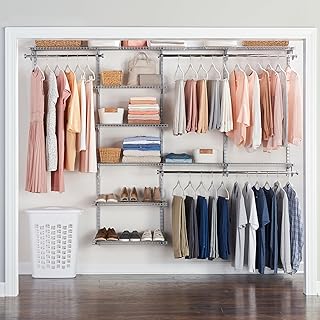
Rubbermaid Configurations Deluxe Custom Closet Kit 4-8 Ft.
If you want something that just works, Rubbermaid Configurations Deluxe Custom Closet Kit 4-8 Ft. Adjustable is a safe bet (81 reviews, 4.5 stars).
10. Store Specific Items Correctly to Maintain Their Shape

Stop hanging your heavy sweaters immediately. I ruined a gorgeous, heavy wool cable-knit sweater from Costco (it cost $29.99 and was incredibly warm) by leaving it on a hanger for six months. The weight of the wool pulled the shoulders down, and it grew these awful, stretched-out shoulder nipples from the hanger ends. I couldn’t shrink it back to normal.
Hanging sweaters stretches them out and ruins the fibers. Instead, fold them neatly and stack them on shelves or in clear stackable drawers. Folded sweaters need about 12-inch deep shelves with 8 to 10 inches of vertical clearance. If you stack them too high, the bottom sweaters get crushed and wrinkled.
Delicate items like expensive suits, silk blouses, or formal dresses require different care. They should be stored in breathable garment bags to protect them from dust and damage. Don’t use the cheap plastic dry-cleaning bags. Those trap moisture and cause the fabric to yellow over time. Buy canvas or cotton garment bags. The rough canvas texture lets the air circulate while keeping the dust mites away. Treat your expensive clothes with respect, and they’ll last a decade.
11. Integrate Smart Lighting for Better Visibility

A common mistake is treating the closet like a dark cave. You can’t organize what you can’t see. Most standard closets have one single, pathetic yellow lightbulb in the center of the ceiling. The corners remain completely dark, which is exactly where dust and clutter accumulate.
Trending right now are smart, illuminated storage solutions. I highly recommend installing LED strip lighting or motion-activated puck lights. I bought a set of Star-Spangled Tap Lights (around $12.99 for a 4-pack on Amazon). They run on three AAA batteries each. I stuck them under the shelves using the attached 3M adhesive strips. The bright white LED snaps on instantly when I press it, illuminating the dark corners perfectly.
If you want to get fancy, buy the motion-sensor versions. Walking into the closet and having the shelves automatically light up feels incredibly luxurious. The batteries usually last about four to six months depending on usage. Good lighting forces you to keep the space clean because you can’t hide the mess in the shadows anymore. It’s a cheap upgrade that completely changes the feel of the space.
12. Implement a Seasonal Clothing Rotation System

To prevent your closet from becoming an overstuffed nightmare, you’ve got to store off-season clothing in designated areas. You don’t need your heavy winter parka taking up space in July. Store it under the bed or in a high, hard-to-reach bin.
I use Spacesaver Premium Vacuum Storage Bags (you can get a Jumbo 6-pack for $24.99 at Walmart) for my bulky items like winter coats and thick fleece blankets. The sound of the vacuum sucking all the air out of the bag is incredibly satisfying. It shrinks a massive pile of coats down to a flat, hard pancake that easily slides onto a top shelf. No exaggeration.
Here is a vital rule: clean all garments before storing them. Do not pack away a sweater you wore once. Invisible stains like sweat or body oils will set into the fabric over the months and turn yellow. Furthermore, unwashed clothes attract pests like moths. I once opened a bin of winter scarves and was hit with the smell of stale perfume and musty fabric. It was gross. Wash everything, dry it completely, and then pack it away. Toss a cedar block in the bin for good measure.

SNSLXH 5 Pack Stackable Closet Storage Basket
A dependable everyday pick — SNSLXH 5 Pack Stackable Closet Storage Basket pulls in 39 ratings at 4.5 stars. Not flashy, just solid.
13. Embrace Sustainable and Durable Organization Practices

There’s a growing emphasis on eco-conscious organization right now. Stop buying cheap, brittle plastic organizers that crack after three months. Choose organizers made from natural materials like bamboo, solid wood, or metal. They cost a little more upfront, but they last forever.
I recently bought a 4-pack of spring-loaded bamboo drawer dividers for $19.99 at Sprouts. The natural wood grain looks beautiful, and the strong springs hold them firmly in place. They don’t bend or warp like the flimsy plastic ones do. When you’re choosing a closet system, prioritize durable setups that minimize the need for frequent replacements. Solid metal rods won’t bow under the weight of your winter coats.
You can also reuse existing containers you already own. A sturdy shoebox wrapped in contact paper works just as well as a store-bought bin for holding socks. The goal isn’t to buy a bunch of new plastic junk to hold your old junk. The goal is to create a functional, sustainable space. Think about the lifecycle of the products you’re bringing into your home.
Organizing your storage closet isn’t a one-time event. It’s a continuous habit. But once you set up the right systems, maintaining it takes five minutes a week instead of five hours a month. I’d love to hear how these tips work out for you. If you found this helpful, pin this article to your home organization boards so you can reference the measurements later when you’re standing in the aisle at Target!
Frequently Asked Questions
How do I start my storage closet organization?
Start by completely emptying the closet. Sort every item into keep, donate, or trash piles. You can’t organize clutter, so be ruthless and discard anything you haven’t used in the past year before buying any new bins or shelves.
What is the best depth for closet shelves?
Shelf depth depends on what you’re storing. For folded clothes, 12 to 14 inches deep is ideal. For bulky linens and towels, you’ll need 14 to 16-inch deep shelves to prevent the items from hanging over the edge.
How can I double my hanging space?
Install a second hanging rod below your main one. This instantly doubles the capacity for shorter garments like shirts and folded pants. Ensure you leave 38 to 40 inches of vertical drop for shirts to hang freely.
Should I hang or fold my heavy sweaters?
Always fold heavy sweaters. Hanging them causes the fabric to stretch and creates permanent bumps on the shoulders from the hanger ends. Stack them neatly on 12-inch deep shelves with 8 to 10 inches of vertical clearance.
