What’s Inside
- Implement a Strategic Toy Rotation System
- Invest in Multi-Functional Furniture with Hidden Storage
- Utilize Cube Storage Units with Aesthetic Bins
- Prioritize Closed Storage to Reduce Visual Clutter
- Employ Clear, Labeled Bins for Small Items
- Maximize Vertical Space with Wall-Mounted Shelving
- Repurpose Existing Furniture Creatively (But Carefully)
- Designate Specific Play Zones in Your Toy Storage Living Room
- Utilize Under-Furniture Storage Solutions
- Opt for Eco-Friendly and Durable Materials
- Avoid Over-Bining and Overly Complex Systems
- Create a Mobile Art Station with a Rolling Cart
- Use Reusable Produce Bags for Micro-Toys
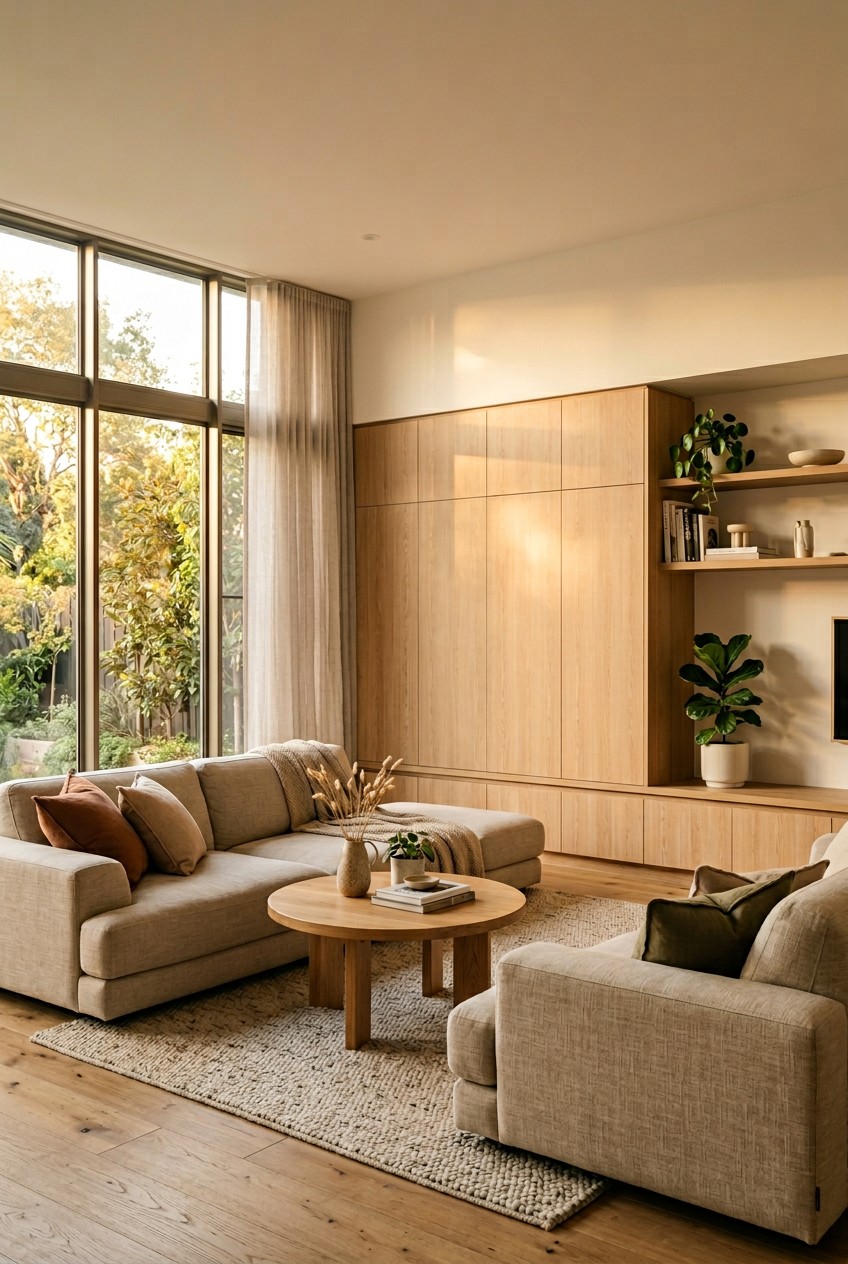
Last Tuesday at Whole Foods, I bought a crisp $6.99 bag of organic Honeycrisp apples and immediately dropped it in the parking lot because my left foot was throbbing in agony. Why? Because an hour earlier, I’d stepped on a jagged, hard plastic dinosaur in the middle of my own house. Mastering your toy storage living room setup isn’t just about making your house look pretty for unexpected guests. It’s about preserving your sanity, protecting your bare feet, and reclaiming your adult space. I tried tossing everything into one giant woven basket for months before figuring it out. The bottom of that basket smelled like old crayons and crushed Cheerios, and my kids could never find what they actually wanted to play with. It was a complete disaster. If you’re tired of your main living space looking like a chaotic preschool classroom, you aren’t alone. I’ve spent years testing different organizers, bins, and furniture pieces to see what actually holds up to daily abuse from toddlers and older kids. Skip the flimsy, cheap plastic drawers. They look terrible and the tracks break within a week. Instead, I’m sharing the exact strategies, products, and systems that finally gave me my house back. Let’s get into the exact methods that actually work. Trust me on this.
1. Implement a Strategic Toy Rotation System

I’m going to start with the hardest truth about keeping a tidy house with kids. You simply have too much stuff out at once. Instead of having all toys accessible at a single time, you need to curate a strict selection of 8 to 15 toys to be available for play at any given moment. You rotate them weekly or bi-weekly. This approach is highly recommended by professional organizers because it keeps toys fresh and interesting for children. It prevents boredom and significantly reduces the amount of clutter on your floor. I tried doing this wrong for months before figuring it out. I used to just shove everything into a spare closet without any system. Last October, I went down to my basement to find a specific wooden train set. The cardboard box I’d used absorbed the moisture from the concrete floor. It smelled like damp earth and old cardboard, and the tracks were warped. It was completely ruined. Now, I use 18-gallon Sterilite plastic storage bins with latching lids. You can get a 4-pack of these exact bins at Walmart for $39.98. Before I put any toys into the rotation bins, I wipe the plastic down with a mixture of warm water and 1/2 cup of baking soda to keep them smelling fresh. Store the out-of-rotation toys in a less-frequented area like a guest room closet or an unfinished basement. When Sunday night rolls around, swap out the bins. Your kids will wake up on Monday morning acting like it’s Christmas. They will play independently for hours because the toys feel brand new again. It’s a massive shift in how your home functions.
2. Invest in Multi-Functional Furniture with Hidden Storage

If you’re dealing with a smaller house, every single piece of furniture needs to earn its keep. Choose furniture pieces that serve a dual purpose, offering both functionality and discreet toy storage. Examples include storage ottomans, benches with lift-top seats or drawers, and coffee tables with built-in compartments. For instance, I completely swear by the Better Homes & Gardens Storage Organizer Bench. You can grab it at Walmart for exactly $129.99. It provides four 13″ x 18″ x 13″ cubbies beneath a thick, padded faux-linen seat, making it suitable for hiding toys or even creating a cozy reading nook. This aligns perfectly with the current trend of smart multifunctional storage to maximize space in smaller living areas. A few years ago, I bought a cheap, flimsy storage ottoman from a discount store. During a toddler playdate, a three-year-old sat on the open lid, and the cheap metal hinges snapped right off. The faux leather ripped, and it looked awful. Don’t make that mistake. Spend a little more on solid construction. When I assembled my Better Homes & Gardens bench, I actually added 4 oz of wood glue to the wooden dowels during assembly just to make the frame extra rigid. It hasn’t wobbled once. The deep cubbies are perfect for stashing bulky items like Magna-Tiles or large wooden blocks. When company comes over, you just toss the toys in, push the bins back, and suddenly you have elegant extra seating. It’s brilliant.
3. Utilize Cube Storage Units with Aesthetic Bins

Modular cube storage systems are highly versatile for any toy storage living room project. The IKEA Kallax series is a wildly popular choice, ranging from $35 to $150 depending on the size you need. Professional organizer Amanda Titchenal specifically recommends IKEA’s Kallax collection for its ability to differentiate and separate toys into clear zones. However, the open cubes look messy if you just shove toys onto the shelves. You absolutely must pair these units with decorative fabric, wicker, or canvas bins to conceal the toys and maintain a cohesive living room aesthetic. I personally love the IKEA Kuggis containers for a sleek, modern look, which cost about $14.99 each for the larger size. If you prefer a softer texture, the 3Sprouts 13″ canvas cubes are incredible. They usually run $19.99 each and feature adorable felt animal appliques. The thick canvas feels incredibly durable, and they slide smoothly on the laminate shelves. I used to buy cheap, flimsy fabric bins that lacked structural inserts. Within two weeks, the sides would buckle, and they looked like deflated balloons sitting on my shelves. The 3Sprouts bins have thick cardboard inserts that keep them perfectly square. If you don’t live near an IKEA, Target’s Brightroom 13-inch fabric cube storage bins are a fantastic alternative for just $10.00 each. The rough, textured fabric hides dirty fingerprints surprisingly well, and they fit perfectly into standard cube organizers.

Kmiectse Clear Storage Bins with Lids
Kmiectse Clear Storage Bins with Lids – 4 Tier Plastic Bins with Wheel punches above its price — 19 buyers rated it 4.5 stars. I would buy it again.
4. Prioritize Closed Storage to Reduce Visual Clutter

Whenever possible, opt for furniture with solid doors or drawers to completely hide toys when not in use. This includes media consoles, sideboards, or even large armoires. This approach is a massive trend right now, as discreet, concealed storage is favored over open shelving to maintain calm and clean visual lines in living spaces. Let’s be honest, brightly colored plastic toys are an eyesore against neutral living room decor. I tried the open-shelving Montessori look for a year. I meticulously arranged beautiful wooden toys on low, open shelves. It looked great for exactly five minutes. Once my kids started playing, the shelves turned into a chaotic, colorful explosion that made my brain hurt every time I tried to relax on the couch. I eventually bought a massive Hemnes sideboard from IKEA for $349.00. It has solid pine doors and deep drawers. Every few months, I rub 2 tablespoons of mineral oil into the wood to keep the finish looking rich and hydrated. When the doors are closed, you’d never know there are 400 Hot Wheels cars and an entire plastic kitchen set hiding inside. Closed storage gives you grace. It allows you to quickly sweep the mess out of sight when you’re too exhausted to micro-organize every single puzzle piece at 8:00 PM. Just shut the door, pour a glass of wine, and enjoy a visually quiet room. You might also like: 15 Creative Home Organizing Ideas You Haven’t Thought Of
5. Employ Clear, Labeled Bins for Small Items

For small, easily lost toys like LEGOs, Barbie shoes, or tiny craft supplies, you can’t just throw them into a massive chest. They will sink to the bottom, and your kids will dump the entire chest out just to find one specific piece. Instead, use clear plastic bins inside your larger baskets or drawers. I’m obsessed with the Sterilite Ultra Latching Boxes. You can get a 6-pack of the 5.8″ x 3.8″ x 2.2″ size for around $44.00 on Amazon. The plastic is crystal clear, and the latches make a satisfying snapping sound so you know they are securely closed. Labeling these bins, even with pictures for pre-readers, helps children find exactly what they’re looking for and encourages independent clean-up. I actually took a trip to Costco last month and bought a Brother P-Touch label maker for $29.99. I printed out bold, black text labels and stuck them right on the front of the clear bins. A surprising tip from professional organizer Katy Winter is to use clear containers to separate different types of toys while keeping them fully visible. If your kids can see the tiny accessories, they won’t tear the room apart looking for them. I keep these small clear bins lined up inside the deep drawers of my sideboard. It keeps the micro-clutter completely contained, and I haven’t stepped on a stray Barbie heel in months. You might also like: 20 Charming Aesthetic Closet Organization Ideas You Need to See
6. Maximize Vertical Space with Wall-Mounted Shelving

If you have a tight floor plan, you must look up. Install floating shelves or compact wall-mounted units to keep toys off the floor. This frees up crucial square footage in smaller living rooms. Ensure they are securely anchored to the wall and placed at an accessible height for children if they are meant for daily use. The IKEA Boaxel shelving unit is a customizable, wall-mounted system that costs around $65.00 for a basic setup. It completely frees up floor space and can be adapted for various storage needs as your kids grow. I learned the hard way that you can’t just screw these into drywall and hope for the best. A few years ago, I installed a cheap floating shelf using the flimsy plastic anchors it came with. I loaded it up with heavy wooden blocks. In the middle of the night, I heard a massive crash. The shelf ripped right out of the wall, leaving gaping holes and a pile of splinters on my rug. Now, I refuse to mount anything without finding a wall stud. I use heavy-duty 2-inch drywall screws and a power drill. Once properly secured, wall-mounted shelves are fantastic for displaying finished LEGO builds or storing board games out of reach of destructive toddlers. It draws the eye upward, making your ceilings look higher while keeping the ground clear for actual foot traffic. You might also like: 20 Stunning Tool Storage Organizing Ideas for a Fresh New Look
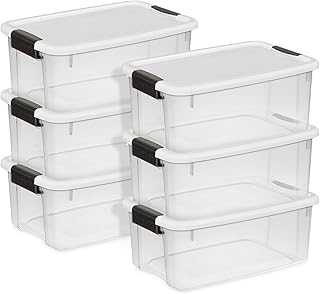
Sterilite 6-Pack Ultra Latching Box, Storage Bins with Lids
A dependable everyday pick — Sterilite 6-Pack Ultra Latching Box pulls in 126 ratings at 4.5 stars. Not flashy, just solid.
7. Repurpose Existing Furniture Creatively (But Carefully)

Before buying brand new pieces, consider how existing furniture can be repurposed for your toy storage living room setup. An old bookshelf can be transformed into toy storage by adding uniform baskets. A coat closet can be converted into a dedicated toy storage area with shelves and bins. However, a common mistake to avoid, according to experts, is using furniture simply because it’s free if it’s not truly functional. For instance, those tilted toy bin organizers you see at daycares? Kids hate them at home. The bins fall out easily, and they look incredibly messy. I made this mistake when a neighbor offered me a free tilted organizer. It was an eyesore, and the plastic bins constantly crashed onto the floor. I threw it out after a week. Instead, look for solid, traditional furniture. I recently found a gorgeous antique wooden cabinet at a garage sale for $40. It smelled a bit musty, so I went to Kroger and bought a 12 oz bottle of Murphy Oil Soap for $4.29. I scrubbed the wood down, let it dry, and lined the shelves with contact paper. It now holds all of our board games and puzzles right in the corner of the living room. It looks like a high-end heirloom piece, but it’s secretly doing the heavy lifting for our toy organization. Don’t be afraid to repurpose, just make sure the piece actually fits your aesthetic and functions well.
8. Designate Specific Play Zones in Your Toy Storage Living Room

Even in a shared living room, you need to create a defined nook or a specific area for toys. You can achieve this by floating your sofa in the middle of the room to create a hidden space behind it for storage, or by utilizing an underused corner. This strategy helps contain the mess to a specific area, making clean-up much more manageable. To visually anchor the space, use a distinct rug. I bought a 5×8 foot jute area rug at Target for $49.99. The rough, natural texture of the jute clearly defines the “play zone” from the rest of the living area. I tell my kids, “Toys stay on the scratchy rug.” It actually works. Before I defined the zone, toys would slowly migrate across the entire house. I’d find action figures in the kitchen and puzzle pieces under the dining table. Professional organizer Amanda Titchenal suggests creating a small, dedicated zone for arts and crafts to keep supplies contained and easily accessible. By establishing a physical boundary, even a visual one, you teach your kids where their items belong. If you have the space, placing a low storage bench right at the edge of the play zone acts as a physical barrier, keeping the colorful chaos contained to one specific quadrant of your room.
9. Utilize Under-Furniture Storage Solutions

Make use of often-overlooked space by employing shallow, lidded bins that can slide neatly under couches, armchairs, or console tables. Look for low-profile bins, such as under-bed storage containers, which can typically be found for $15 to $30. For example, a 32-quart clear Sterilite under-bed box costs about $16.99 at Target. It’s wide, shallow, and perfect for storing massive train track collections or hundreds of loose LEGOs. Your kids can slide the bin out, see all the pieces without dumping the entire thing upside down, and slide it right back when they’re done. I do have a strict warning about this method, though. Hard plastic bins sliding on hardwood floors will drive you crazy. The scratching sound of plastic dragging across wood is like nails on a chalkboard, and it will eventually damage your floors. I solved this by buying a pack of heavy-duty 1-inch felt furniture pads for $3.99. I stuck one pad onto each corner of the plastic bin’s bottom. Now, the bins glide silently and smoothly across the floor. It’s a tiny detail, but it makes a huge difference in how the system functions daily. Utilizing under-sofa space is basically finding free square footage in your living room. Just make sure you vacuum under there frequently, or your bins will come out covered in thick gray dust bunnies.

Sterilite 4 Pack Ultra Latching Box, Storage Bins with Lids
Honestly, Sterilite 4 Pack Ultra Latching Box surprised me — sturdier than it looks in the photos, and over 126 buyers gave it 4.5 stars.
10. Opt for Eco-Friendly and Durable Materials

A massive home organization trend right now is sustainability, and it’s a trend I fully support. Choose storage solutions made from natural materials like bamboo, solid wood, rattan, or seagrass for your baskets and bins. These materials are significantly more durable and aesthetically pleasing than flimsy, brightly colored plastic options. Wicker baskets can range from $25 to $75 depending on the size and brand. I absolutely love Pottery Barn’s Coil Basket Collection, which usually starts around $28.99 when you catch a good sale. They have a beautiful, earthy smell—like dried sweetgrass—and the texture adds incredible warmth to a sterile room. I used to buy cheap plastic tubs from the dollar store. They cracked constantly, and the sharp edges would scratch my kids’ arms. Plus, they looked incredibly cheap. Natural materials blend beautifully with adult decor. If you have oversized stuffed animals that don’t fit in structured baskets, I actually use a heavy-duty reusable cotton grocery tote that I bought at Sprouts for $4.99. I hang it on a decorative hook behind the living room door. It holds all the massive plushies, the thick cotton canvas breathes well, and it looks like a deliberate, casual design choice rather than a desperate storage attempt. Invest in materials that age well and don’t end up in a landfill after six months.
11. Avoid Over-Bining and Overly Complex Systems

A common mistake parents make is believing that “more bins mean more organized.” Professional organizer Kallie Branciforte advises strictly against this, noting that too many bins, especially opaque ones without clear categories, lead to hidden clutter and massive overwhelm for both parents and children. Focus on broad, clear categories and systems that are simple enough for a tired four-year-old to understand. I learned this lesson the hard way. Two years ago, I decided to micro-organize my son’s LEGO collection. I bought a massive hardware storage cabinet with 30 tiny drawers. I spent three grueling hours sorting every single LEGO brick by color and size. I felt like an organizational genius. The very next day, my son wanted to build a spaceship. He pulled out every single drawer, dumped them all into one giant pile on the rug, and my three hours of work vanished in exactly four minutes. I wanted to cry. Now, we just have one large bin for “all LEGOs.” It’s so much easier. If a system requires a manual for your kids to clean up, it won’t work. Stick to broad categories: one basket for vehicles, one basket for blocks, one basket for figures. The goal of a toy storage living room setup isn’t perfection; it’s rapid, frictionless clean-up at the end of a long day.
12. Create a Mobile Art Station with a Rolling Cart

Arts and crafts are the absolute enemy of a clean living room, but kids love them. Instead of dedicating a permanent cabinet to messy supplies, create a mobile art station using a rolling utility cart. The classic IKEA Raskog cart is $39.99 and features three deep metal tiers. If you want a slightly cheaper option, the Michaels Lexington cart is almost identical and frequently goes on sale for $29.99. The beauty of a rolling cart is that you can wheel it out to the coffee table during craft time, and then wheel it straight into a hall closet when they’re finished. The squeaky wheels rolling across the floor are the sound of contained chaos. I stock the top tier with 10-ounce plastic jars of washable paint and markers. I always add exactly 2 tablespoons of water to the paint jars to thin them out slightly, making them last longer and easier to wash out of fabrics. The middle tier holds construction paper, and the bottom tier holds playdough and clay. Before I used a cart, my kids would carry loose markers and open paint bottles across the living room. I spent hours scrubbing sticky blue paint out of my beige sofa. The cart keeps everything centralized. If they want to craft, the cart comes out. When they’re done, the cart rolls away. It’s a non-negotiable rule in my house now.

Durmmur 2 Pack Hat Racks for Baseball Caps
A dependable everyday pick — Durmmur 2 Pack Hat Racks for Baseball Caps pulls in 109 ratings at 4.5 stars. Not flashy, just solid.
13. Use Reusable Produce Bags for Micro-Toys

This is my absolute favorite, unexpected hack for micro-toys. For things like Polly Pockets, tiny puzzle pieces, or magnetic tiles, rigid plastic bins can sometimes take up too much unnecessary space in your larger drawers. Instead, use see-through reusable mesh produce bags. You can buy a 9-pack of heavy-duty, washable mesh bags with drawstring closures on Amazon for $12.99. I originally got this idea while unpacking groceries. I looked at the 3-pack of mesh produce bags I bought at Trader Joe’s for $2.99 and realized they were perfect for tiny toys. The mesh allows you to see exactly what’s inside without opening them, and the fabric conforms to whatever shape the toys make, saving tons of space. The sound of the plastic toggle sliding down the drawstring is so satisfying. I used to keep puzzle pieces in their original cardboard boxes. The boxes would tear, the lids would get lost, and loose pieces would scatter everywhere. Now, I cut out the picture from the cardboard box, slip it into a mesh bag along with the puzzle pieces, and pull the drawstring tight. You can toss five of these filled mesh bags into a single decorative wicker basket. It keeps sets perfectly together, prevents missing pieces, and costs almost nothing. It’s a brilliant, flexible solution that completely changed how I handle small toy clutter. Learned that the hard way.
Taming the chaos doesn’t require a massive budget or a degree in interior design. It just requires a few smart, durable pieces and a ruthless commitment to rotating out the excess. Start with a solid piece of closed furniture, grab some sturdy canvas bins, and stop trying to micro-organize every single block. Honestly, this changed how I feel about my home at the end of the day. If you found these toy storage living room ideas helpful, please pin this article to your favorite home organization board so you can reference these exact products and prices later!
Frequently Asked Questions
How do you hide toys in a living room?
Use multi-functional furniture like storage ottomans, lift-top benches, or sideboards with solid doors. Closed storage keeps brightly colored plastic toys completely out of sight, maintaining a calm, adult-friendly aesthetic when playtime is over.
What is the best way to organize small toys?
Keep small items like LEGOs or puzzle pieces in clear, latching plastic bins or reusable mesh produce bags. Store these smaller containers inside larger baskets or deep drawers. Labeling them helps kids find what they need without dumping everything.
How often should I rotate toys?
Professional organizers recommend rotating a curated selection of 8 to 15 toys every one to two weeks. Keep the out-of-rotation toys hidden in a closet or basement bins to prevent boredom and minimize daily living room clutter.
Are cube storage organizers good for living rooms?
Yes, modular cube organizers like the IKEA Kallax are excellent for toy storage. Just ensure you pair them with structured, opaque bins made of canvas or woven natural materials to hide the mess and blend with your living room decor.
