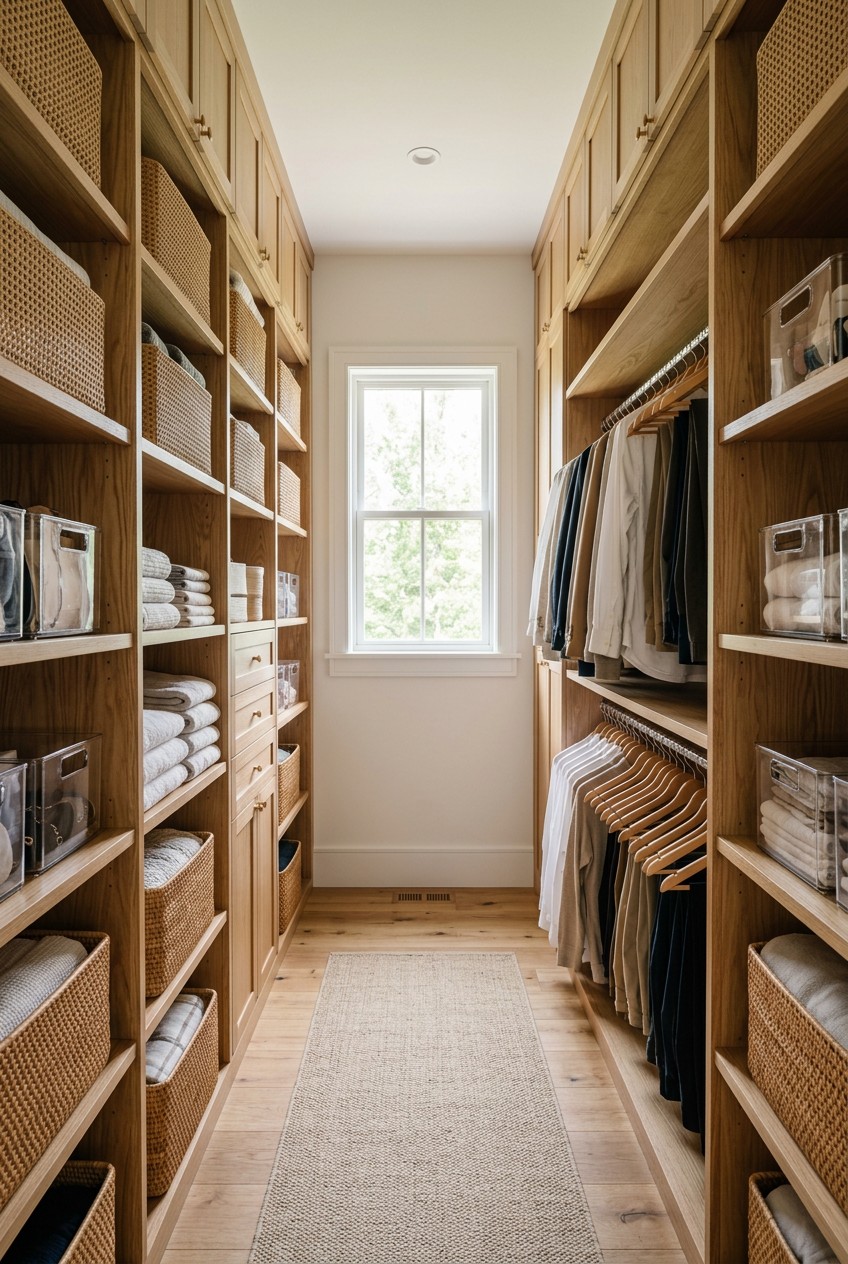
What’s Inside
- Start with a Ruthless Decluttering Session
- Maximize Vertical Space with Adjustable Shelving
- Implement Slim Velvet Hangers for Coats and Garments
- Utilize Over-the-Door Organizers for Shoes and Small Accessories
- Invest in Clear Acrylic Bins for Visible Storage
- Designate Zones and Label Everything Clearly for Hall Closet Organization
- Install Hooks for Grab-and-Go Items
- Incorporate Sustainable and Natural Materials
- Add Integrated Lighting for Better Visibility
- Utilize Tension Rods for Flexible Storage
- Store Cleaning Supplies Safely and Efficiently
- Think Boutique-Style for Coats and Shoes
- Avoid Overstuffing Your Closet
- Roll Bulky Items to Save Space in Your Hall Closet Organization
Last Tuesday at Whole Foods, a mountain of reusable bags and a crusty dog leash tumbled out of my tote right at the register. It proved my hall closet was a total disaster zone. I’m honestly embarrassed it took that public humiliation to fix things. I spent months ignoring the mess, just shoving the heavy door shut and praying the hinges held. They didn’t. The door would literally bounce back when I tried to close it. I’ve spent the last three weekends tearing apart my entryway storage, making huge mistakes, and finally figuring out what actually keeps the chaos contained. The smell of damp wool and stale sneakers used to hit me every time I opened that door. Now, it smells like cedar blocks and fresh linen. I’m going to walk you through exactly what I did, what I bought, and what you shouldn’t do. Let’s get into it.
1. Start with a Ruthless Decluttering Session

Before you buy a single acrylic bin, drag every item out into the hallway. Organizers like Takilla Combs of Xtreme Audacity, LLC, swear by taking everything out to see what you actually own. I did this wrong for months. I’d just shuffle things around, moving a dusty Windex bottle behind winter scarves. That’s a massive waste of time. You need to see the ugly truth in a giant pile on your floor. Last month, I sat on my cold hardwood floor and sorted through five years of junk. I found three broken umbrellas and a single crusty snow boot. Grab a 30-pack of Hefty Strong Large Trash Bags from Target for $11.99 and get to work. You’ll fill at least three of those 30-gallon bags with pure garbage. Sort everything into keep, donate, sell, and discard piles. Be ruthless. If you haven’t worn that itchy wool scarf since 2019, let it go. The texture of those cheap acrylic scarves always bothered my neck anyway. You need a blank slate before you can start putting things back in a way that works for your daily routine.
2. Maximize Vertical Space with Adjustable Shelving

Most people get this wrong. A common mistake is ignoring the full height of the closet. I spent years stacking heavy boxes on a single fixed shelf. Every time I needed the bottom box, the whole tower would collapse, sending batteries and dog waste bags rolling across the floor. You need adjustable shelving. It’s the only way to customize the spacing for items of varying sizes, which prevents that wasted empty space above your bins. I ripped out the standard wire shelf and put in an Elfa system from The Container Store. The basic ventilated shelving components run about $15.00 to $30.00 each, depending on the length. It took me about two hours on a Saturday with a power drill and a lot of sweat to mount the steel tracks. Now, I can move the shelves in one-inch increments. I’ve got a tight six-inch gap for my flat boxes of swiffer pads from Kroger, and a taller 18-inch gap for my bulky winter boots. It makes the space work twice as hard.
3. Implement Slim Velvet Hangers for Coats and Garments

Throw away your thick plastic tubular hangers right now. They’re stealing your space. I used to cram heavy coats onto those cheap plastic things, and they took up so much room I couldn’t even slide the coats apart. Replace those bulky monsters with slim velvet hangers. You’ll instantly gain up to 50 percent more hanging space. I personally swear by the LEDREM velvet hangers. You can grab a 50-pack at Walmart for exactly $26.99. The Style Sisters organization duo also recommends this swap. These hangers are incredibly thin, measuring just 6mm thick, but they’re shockingly strong. The velvet texture has a great non-slip grip, so my silky rain jackets stop sliding off into a wrinkled puddle on the floor. Plus, they feature 360-degree swivel hooks. That makes it easier to hang heavy wool pea coats or delicate spring windbreakers facing the same way. The thin profile means you can pack winter gear tightly without crushing the fabric. The uniform look of matching black velvet hangers makes the closet look less chaotic and more like a high-end boutique.

AMKUFO 6 Pack-Closet-Organizers-and-Storage
AMKUFO 6 Pack-Closet-Organizers-and-Storage punches above its price — 52 buyers rated it 4.5 stars. I would buy it again.
4. Utilize Over-the-Door Organizers for Shoes and Small Accessories

The back of your closet door is prime real estate you’re likely ignoring. I left mine bare for three years while I tripped over a mountain of shoes. Don’t do that. Install a 24-pocket fabric over-the-door shoe organizer immediately. I bought the Gorilla Grip model on Amazon for $14.99. It measures exactly 64 inches high by 19 inches wide, and the mesh pockets are 4.25 inches deep. It holds up to 40 pounds without sagging. I don’t just use it for shoes, though. I stuff the bottom pockets with canvas tote bags from Trader Joe’s. I use the middle pockets for my dog’s thick nylon leashes and harnesses. The top pockets hold umbrellas and knit gloves. The mesh material is crucial because it lets damp items breathe. I once used a cheap plastic pocket organizer, and my wet winter gloves grew a fuzzy layer of green mold. I had to throw away my favorite pair of waterproof North Face gloves because the mildew smell wouldn’t wash out. Stick to breathable mesh. If you’ve got a bit more budget, the Elfa Utility Door and Wall Rack is another sturdy option for organizing gloves, hats, and small tools. You might also like: 20 Lovely DIY Home Makeover That Make a Real Difference
5. Invest in Clear Acrylic Bins for Visible Storage

One of the biggest trends for 2026 is the use of clear containers for total visibility and a calm aesthetic. I agree. Opaque fabric bins look pretty, but they’re a nightmare for daily functionality. I used to own matching gray canvas bins, and I’d spend five minutes ripping through every single one just to find packing tape. Now, I use clear acrylic bins for everything. You can identify the contents without rummaging. I grabbed a stack of the Mainstays clear plastic pantry organizer bins at Walmart. They range from $3.93 to $4.77 each. The Container Store also has great options starting around $7.49. I use a medium 10-inch by 6-inch clear bin for pet supplies. Seeing exactly how many green dog waste bags I’ve got left before I run out saves me a panicked trip to the store. The hard acrylic is also easy to clean. When a bottle of liquid dog shampoo leaked, it was a soapy nightmare. I just rinsed the plastic bin in the kitchen sink instead of throwing away a ruined, sticky fabric basket. You might also like: 20 Inspiring Organizing Storage Home Hacks Ideas for Any Style
6. Designate Zones and Label Everything Clearly for Hall Closet Organization

You’re setting yourself up for failure if you don’t create strict categories. Avoid the mistake of poor categorization. If you just toss things back onto the shelves randomly, your closet will fall apart in less than a week. I know this because I did it. I used to mix heavy winter gloves with bottles of glass cleaner. It made no sense. You need to assign specific zones for different item types. I dedicated the top shelf to out-of-season accessories. The middle shelf is my grab-and-go zone for daily dog walking. The bottom section is strictly for heavy boots and a small vacuum. Once you’ve established your zones, label every single bin. I bought a Brother P-Touch Label Maker at Target for $34.99, and it’s my favorite tool. I use the basic white tape with black ink for maximum contrast. Labeling helps everyone in the house know exactly where to find things. More importantly, it tells my husband exactly where to return them. When a bin literally says ‘Winter Gloves,’ there’s no excuse for tossing a dirty baseball cap into it. You might also like: 20 Inspiring Garage Organization Ideas That Are Totally Worth It
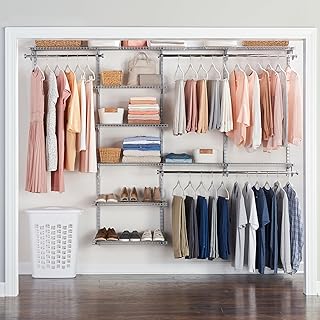
Rubbermaid Configurations Deluxe Custom Closet Kit 4-8 Ft.
A dependable everyday pick — Rubbermaid Configurations Deluxe Custom Closet Kit 4-8 Ft. Adjustable pulls in 81 ratings at 4.5 stars. Not flashy, just solid.
7. Install Hooks for Grab-and-Go Items

Hooks are excellent for maximizing vertical space on the side walls. I used to throw my heavy metal car keys onto the shelf, where they would slide to the back and hide under mail. I was constantly late for work, digging around in the dark. Now, I use Command Hooks for all my small, frequently used items. I bought a multi-pack at Walmart for $12.48. The medium utility hooks hold up to 3 pounds (or 1.36 kg), which is perfect for lightweight canvas bags. The large hooks hold up to 5 pounds (2.27 kg), ideal for wet umbrellas. I even use a jumbo hook that holds up to 7.4 pounds (3.4 kg) for my heavy winter purse. Just follow the package instructions and press the adhesive strip firmly for 30 seconds. I rushed the process once, and a hook holding a heavy wet raincoat peeled off, taking a chunk of paint with it. I had to spackle and repaint a three-inch square just because I didn’t want to wait 30 seconds. For heavier cleaning tools like brooms or mops, skip the adhesive and screw a dedicated Grook utility holder directly into the wall studs.
8. Incorporate Sustainable and Natural Materials

A massive organizing trend for 2026 is sustainability. People are moving away from cheap, brittle plastics and favoring eco-friendly materials. I love this. While I use clear acrylic for messy liquids, I try to incorporate natural textures. Opt for bamboo, solid wood, or woven natural fiber baskets for a warmer feel. I found these gorgeous Brightroom woven water hyacinth baskets at Target for $16.00 each. They measure 11 inches by 11 inches. I use them on the top shelf to hold thick winter scarves and knit beanies. The natural woven texture adds visual warmth, making it look like a customized piece of furniture rather than a utility closet. Plus, the earthy smell of the dried hyacinth is really pleasant. Just a quick warning. Don’t use unlined woven baskets for delicate silk scarves or thin knits. I snagged a beautiful silk scarf on a sharp piece of dried seagrass last winter and ruined it. Always use natural baskets for durable items only.
9. Add Integrated Lighting for Better Visibility

A poorly lit closet makes finding items frustrating. My hallway closet doesn’t have a hardwired ceiling light. For years, I used my cell phone as a flashlight to dig for my black winter boots in the pitch black corners. It was miserable. You don’t need an expensive electrician. Just install battery-powered motion sensor LED strip lights. I bought a two-pack of flexible LED strips on Amazon for $22.99. They run on four AAA batteries each. I peeled off the adhesive backing and stuck them to the underside of the door frame and along the bottom edge of the top shelf. This approach completely enhances the space. Now, the moment I pull the door open, a soft, bright white glow illuminates every corner. It makes the space feel luxurious. You can actually see the difference between navy blue and black coats. Just remember to buy a massive bulk pack of batteries at Costco. I forgot to turn the motion sensor off during a party once, and the constant opening and closing drained the batteries in three days. I went through a 48-pack of Kirkland batteries in two months before I learned my lesson.

AWTATOS Cube Storage Organizer Storage 12 Cube Bookshelf
If you want something that just works, AWTATOS Cube Storage Organizer Storage 12 Cube Bookshelf DIY Plastic C is a safe bet (28 reviews, 4.5 stars).
10. Utilize Tension Rods for Flexible Storage

This is a surprising tip that changed how I handle awkward items. You can use cheap tension rods to create additional hanging space out of thin air. I bought a basic white Room Essentials tension rod from Target for exactly $5.00. It expands from 28 to 48 inches. I installed it mid-closet, tucked under the bottom wire shelf, utilizing what was previously dead space. I use this low tension rod to hang wet spray bottles of cleaner by their triggers. It keeps them off the floor and easy to grab. You can also use a tension rod higher up to drape long silk scarves, loop leather belts, or even hang damp umbrellas to dry. It’s totally flexible. If you don’t like the placement, you just twist the rod, compress the spring, and move it. No drilling, no holes, no commitment. I tried using a really cheap dollar store tension rod once, and it collapsed under the weight of three wet towels. It made a massive clatter, crashed onto my toes, and scared the dog to death. Spend the extra few dollars for a sturdy rod with thick rubber end caps so it grips the drywall.
11. Store Cleaning Supplies Safely and Efficiently

If you keep your vacuum and mop in the entryway, you’ve got to dedicate a specific area for chemical products. I used to line up bottles of bleach and floor cleaner on the bare wire shelves. One afternoon, a bottle of pine cleaner tipped over and dripped a sticky, strong-smelling puddle all over my expensive leather boots. I spent an hour scrubbing the leather with saddle soap, but the damage was done. The smell lingered for weeks. Now, I use thick plastic or acrylic caddies that are easy to wipe down. I rely on the Mainstays 12 Quart Clear Plastic Storage Bin from Walmart, which costs $4.78. It measures roughly 16 inches long by 11 inches wide. It perfectly holds four large spray bottles, microfiber rags, and a tub of sanitizing wipes. The tall sides prevent any accidental spills from ruining the rest of the closet. Always store heavy liquid chemicals at the very bottom. If you’ve got toddlers or curious pets, use child-proof magnetic latches on those lower bins. It’s not worth the risk of a spill just to save a few seconds.
12. Think Boutique-Style for Coats and Shoes

In 2026, closet organization focuses on visibility and spacing. The goal is to make your home feel like a high-end retail store. Hang your coats with enough physical space around them. Aim for about one full inch of empty space between each hanger. I know it sounds impossible if you’ve got a lot of stuff, but cramming 30 coats into a tiny space just leads to wrinkling and broken hangers. When I thinned out my jackets, I could actually slide a coat out without dragging three other hangers down with it. For shoes, ditch the messy pile. I invested in a set of clear drop-front shoe boxes from Costco. An 8-pack costs $34.99. These hard plastic boxes stack perfectly, creating a custom shoe wall. The clear front door drops down, so you can pull out a pair of running shoes from the bottom row without unstacking the entire tower. The magnetic doors shut with a satisfying click. It keeps the dirty, dusty soles of your shoes separated from your clean scarves and bags. It’s a massive upgrade from a flimsy wire shoe rack.

VIPEK V5 Heavy Duty Clothes Rack
VIPEK V5 Heavy Duty Clothes Rack punches above its price — 56 buyers rated it 4.5 stars. I would buy it again.
13. Avoid Overstuffing Your Closet

This is the hardest rule to follow, but it’s the most important. A common mistake is cramming too many random items into this one small space. Organizer Mindy Godding specifically advises against storing non-clothing items like sentimental keepsakes or giant pieces of hard-shell luggage in a clothes closet. They take up far too much valuable real estate. I used to keep a massive, hard-sided Samsonite suitcase on the floor. It took up 40 percent of the floor space. Every time I wanted to grab the vacuum, I had to wrestle this awkward suitcase out into the hallway first. I’d stub my toe on the hard plastic shell at least twice a week. It was exhausting. You’ve got to be ruthless with your storage limits. If an item doesn’t fit comfortably without you having to shove the door closed with your shoulder, you need to declutter further or find a new home for it. I finally dragged that suitcase down to the basement where it belongs. The relief of having actual, usable floor space for my daily boots and vacuum was incredible. Stop treating your entryway like a deep storage unit for things you only use once a year.
14. Roll Bulky Items to Save Space in Your Hall Closet Organization

If you keep extra linens or seasonal gear by the front door, change how you fold them. For items like thick beach towels, heavy wool picnic blankets, or puffy seasonal scarves, rolling them tightly instead of folding them flat can save a massive amount of space. I used to fold my thick fleece blankets into bulky squares and stack them on the top shelf. They always looked messy, and pulling the bottom blanket out meant the top three would tumble down onto my head. Now, I lay the blanket flat, fold it in half, and roll it up as tightly as a sleeping bag. It compresses the fluffy material and creates a neat, uniform shape. I stand the rolled cylinders upright inside a deep basket. This method is particularly effective for items you don’t access daily. You can fit almost twice as many rolled items into a standard 12-inch bin compared to folding. If you’re building custom storage, interior designer Lea Cojot suggests using fluted glass fronts for the cabinet doors. This trending material keeps the space visually light while hiding the slightly messy look of rolled blankets. It adds a beautiful, ribbed texture without feeling heavy, especially in tight hallway circulation areas.
I’m so glad I finally stopped ignoring the disaster behind that door. Honestly, spending a few hours on a Saturday morning overhauling this space was the best thing I’ve done for my daily sanity. No more tripping over boots or getting hit in the head by falling umbrellas. I recommend starting with the velvet hangers and the clear shoe boxes first. They make the biggest visual impact immediately. If you’re ready to tackle your own mess this weekend, pin this article so you’ve got all the exact measurements and product prices saved for your next Target run. You’ve got this!
Frequently Asked Questions
How do I maximize space in a tiny hall closet?
Install adjustable shelving to eliminate dead vertical space. Swap thick plastic hangers for slim velvet ones, and use an over-the-door mesh organizer for small accessories like gloves and dog leashes.
What is the best way to store bulky winter coats?
Use slim, non-slip velvet hangers to save horizontal space. Leave about an inch between each coat so the fabric can breathe, which prevents deep wrinkles and makes grabbing a jacket much easier.
Should I keep my vacuum in the hall closet?
Only if you’ve got enough floor space after storing daily essentials like boots and coats. Don’t cram it in. If the door won’t shut easily, relocate the vacuum to a utility room or laundry area.
How do I organize small cleaning supplies in a closet?
Group them in tall-sided, clear acrylic bins or plastic caddies. This prevents accidental chemical spills from ruining your floors or shoes. Always store heavy liquid cleaners on the lowest shelves to prevent dangerous drops.
