
What’s Inside
- Implement The Hanger Turn Method For Deep Closet Organization
- Swap To Slim Velvet Hangers For Instant Space
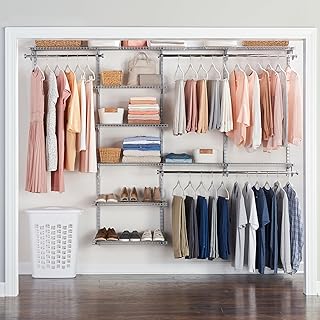
- Maximize Vertical Space With Adjustable Shelving
- Contain Folded Sweaters With Clear Shelf Dividers
- Use Fabric Organizers To Stop The Bottomless Drawer Effect
- Compress Bulky Items With Vacuum Storage Bags For Deep Closet Organization
- Stack IKEA Shoe Boxes To Clear Floor Clutter
- Create Specific Lifestyle Zones For Getting Dressed
- Add Motion-Activated LED Lighting To Dark Corners
- Repurpose Hardware Organizers For Small Jewelry
- Curate A Capsule Wardrobe To Reduce Daily Friction
- Mount Storage Racks On The Back Of Your Closet Door
Last November, I spent three solid hours sitting on the hard hardwood floor of my bedroom, buried under a mountain of tangled sweaters that smelled like stale cedar and old perfume. I was trying to find a single black turtleneck for a dinner party, and instead, I unearthed three mismatched wool socks and a moth-eaten plaid scarf I bought at Target back in 2018. That was the moment I realized my closet system was a disaster. I didn’t need a few new baskets; I needed a total structural overhaul. We often treat our closets like hidden dumping grounds, shoving the door closed and hoping the mess sorts itself out by morning. It doesn’t. If you’re tired of fighting your own wardrobe just to get dressed, you’re in the right place. I’ve spent the last two years testing, failing, and refining my storage methods. Skip the generic advice about buying more bins. Instead, let’s look at the specific, measurement-based changes that keep a large space functional. Here are twelve strategies I use to maintain order. Learned that the hard way.
1. Implement The Hanger Turn Method For Deep Closet Organization

Before you buy a single acrylic bin or wire basket, you’ve got to face the physical reality of what you actually wear. I tried this wrong for months before figuring it out. I used to just stare at my clothes and guess what I hadn’t worn, which meant I kept holding onto a stiff, uncomfortable green silk blouse just because I liked the color. The hanger turn method removes all the emotion and guesswork from the decluttering process. Right now, go into your closet and turn every single hanger backwards, so the hook faces the front of the closet door instead of the back wall.
When you wear and wash an item, you return it to the closet with the hanger facing the normal way. Set a calendar alert on your phone for exactly six months from today. When that alarm goes off, any clothes still hanging on backwards hangers get bagged up for donation. The visual cue of seeing which items haven’t been touched is jarring. You’ll quickly realize you’re only wearing about twenty percent of your wardrobe. The friction of pulling a backwards hanger off the rod forces you to acknowledge your daily habits. It’s a harsh but necessary first step before you start measuring for shelving.
Most people fail at maintaining a clean space because they try to organize trash. You can’t organize items you don’t use. I did this last January, and by July, I had three full contractor bags of stiff denim and itchy sweaters sitting by my front door. Once you clear out the dead weight, the actual organizing becomes a matter of basic geometry rather than a constant battle against physical overflow.
2. Swap To Slim Velvet Hangers For Instant Space

If you open your closet and see a chaotic mix of thick wooden hangers, flimsy wire dry-cleaning hangers, and chunky tubular plastic ones, you’re wasting a massive amount of horizontal space. I used to think hangers didn’t matter until I did the math. A standard wooden hanger is about an inch thick. If you have fifty shirts, that’s fifty inches of rod space taken up just by the wood. I swapped my entire setup to the Amazon Basics Slim Velvet Hangers. I buy the 50-pack for exactly $16.99. They measure 17.4 inches wide, 9.2 inches tall, and a thin 0.2 inches thick.
Don’t make the mistake of buying the ultra-cheap, unbranded velvet hangers from the discount bins. I bought a flimsy pack at Walmart last year to save three dollars, and the metal hooks pulled right out of the plastic base the second I tried to hang my heavy winter wool coats. The Amazon Basics ones have a solid metal swivel hook that holds up to thick denim jackets. The fuzzy, textured black velvet material creates a strong grip, meaning my slippery silk camisoles and wide-neck sweaters no longer end up in a wrinkled puddle on the floorboards. Trust me on this.
Creating visual uniformity is half the battle when dealing with a large wardrobe. When every single hanger is the same color and shape, your brain processes the space as a single, cohesive unit. The 0.2-inch profile means I gained back almost two feet of hanging space on my main rod, which allowed me to space out my blazers so they don’t crush against each other before I even put them on.
3. Maximize Vertical Space With Adjustable Shelving

Most standard builder-grade closets come with one single wooden shelf and one metal rod installed at a standard 68-inch height. This leaves roughly four feet of empty, wasted air space beneath your hanging shirts. I lived with this terrible setup for three years, stacking shoeboxes directly on the floor until they toppled over. To fix this, you need to install adjustable shelving or double-hang rods to utilize every inch from the floorboards to the ceiling.
I installed the Amazon Basics Expandable Metal Hanging Storage Organizer last Tuesday afternoon. It costs between $50 and $100 depending on the finish, and it expands from 57 to 80 inches long, sits 14 inches deep, and stands 72 inches high. The metal clanking sound during assembly was annoying, and I pinched my finger twice on the wire racks, but the result is undeniable. It gives you multiple tiers of adjustable wire shelving and two separate hanging rods.
I use the top rod for my shorter blouses and the bottom rod for my folded trousers. By separating my clothes by length, I opened up the middle section of the closet for the wire shelves. The 14-inch depth is important because it perfectly fits standard storage bins without them hanging over the edge. If you’re dealing with a tall ceiling, don’t leave that upper space empty. I keep my heavy, out-of-season bedding on the very top shelf, securely out of the way but accessible without a stepladder.
Rubbermaid Configurations Deluxe Custom Closet Kit 4-8 Ft.
Honestly, Rubbermaid Configurations Deluxe Custom Closet Kit 4-8 Ft. Adjustable surprised me — sturdier than it looks in the photos, and over 81 buyers gave it 4.5 stars.
4. Contain Folded Sweaters With Clear Shelf Dividers

If you stack more than four bulky sweaters on a flat wooden shelf, they will inevitably turn into a leaning tower that avalanches onto your head when you pull the bottom one out. I dealt with this frustration every winter. I was walking through Costco last month, looking at how they neatly stack their heavy bulk clothing items with rigid structural supports, when I realized I needed to apply that exact same logic to my own winter wardrobe.
You need sturdy, rigid shelf dividers to create artificial walls. I use the LYNK Professional Home Vela Shelf Dividers. You can find similar clear acrylic ones at The Container Store for about $15.99 a pair. The LYNK dividers are 12 inches tall and slide onto standard solid shelves up to 7/8 inches thick. You don’t need screws or tools; the tension clip just grabs the wood. You might also like: 15 Kids Closet Organization Ideas That Actually Work
I place a divider every ten inches along my top shelf. This creates individual, contained cubbies for my heavy cable-knit sweaters, my stack of rigid denim jeans, and my bath towels. When I pull a gray sweater from the middle of the stack, the clear acrylic wall prevents the neighboring stack of black sweaters from spilling over. It keeps the categories separated. The clear material is crucial; I tried using opaque white plastic dividers once, and they created dark shadows that made it impossible to see the dark navy shirts in the back corners. You might also like: 20 Lovely DIY Home Makeover That Make a Real Difference
5. Use Fabric Organizers To Stop The Bottomless Drawer Effect

Deep drawers are a double-edged sword. They hold a lot of volume, but they quickly devolve into a tangled, bottomless pit of loose socks, sports bras, and belts. I used to dig frantically through my bottom dresser drawer every morning, searching for a matching pair of ankle socks while the rough wooden interior scraped my knuckles. You have to compartmentalize the void. You might also like: 20 Stunning Tool Storage Organizing Ideas for a Fresh New Look
I use the Amazon Basics Fabric 5-Drawer Storage Organizer Unit. A smaller 3-drawer version runs about $18 USD, and the large fabric drawers measure 14.96 inches wide, 11.22 inches deep, and 12.36 inches high. Inside my built-in closet drawers, I use smaller square fabric bins. I bought a set of cheap plastic bins from the Kroger seasonal aisle once, but the rigid plastic corners cracked within a week when I tried to overstuff them with thick winter tights. Fabric organizers are superior because the soft canvas sides have a slight give to them.
I sort my items meticulously. One 6-inch square fabric bin holds only low-cut running socks. The bin next to it holds only tall wool hiking socks. By breaking a large 24-inch drawer into six smaller, distinct fabric compartments, I know exactly where to look. The soft gray fabric also dampens the sound of heavy metal belt buckles clanking against the wood. It’s a small sensory detail, but it makes the morning routine feel calmer and more intentional.
6. Compress Bulky Items With Vacuum Storage Bags For Deep Closet Organization

Storing massive, puffy winter coats and king-sized down comforters in your primary closet during the humid month of July is a waste of premium real estate. I used to shove my heavy winter gear onto the top shelf, where it would slowly expand and push my other storage boxes off the edge. You have to remove the air volume from the equation.
I rely on the Spacesaver Vacuum Storage Bags. You can get a 10-pack for around $25, and their jumbo size easily fits up to 15 heavy cotton sweatshirts. The process is satisfying. You pack the bag, seal the double-zip closure, attach your vacuum hose to the plastic valve, and turn it on. The high-pitched whine of the vacuum motor as the bag shrinks down to a rock-hard, flat pancake is the sound of reclaiming your space. It reduces the physical volume by up to 80 percent.
However, you have to buy quality bags. I tried a generic discount brand two years ago, and I woke up in the middle of the night to a faint hissing sound. The cheap plastic seal had failed, and my giant down comforter was slowly reinflating, eventually popping the closet door open. For items you care about, look into the newer Aerless system bags. They use a thick, anti-rip nylon material instead of cheap crinkly plastic, and they have a controlled pressure mechanism that prevents deep, permanent creasing in delicate fabrics.

5 Tier Closet Hanging Organizer
5 Tier Closet Hanging Organizer punches above its price — 13 buyers rated it 4.5 stars. I would buy it again.
7. Stack IKEA Shoe Boxes To Clear Floor Clutter

Leaving shoes in a messy pile on the floor is the fastest way to make a clean closet look chaotic. Last Tuesday, I came home carrying three heavy grocery bags from Whole Foods and tripped over a stray pair of running shoes left in the middle of my closet doorway. The hard rubber sole caught my ankle, and I dropped a glass jar of marinara sauce on the rug. That was the end of floor storage for me. No exaggeration.
I drove to IKEA and bought the HEMMAFIXARE shoe boxes. They cost $15 for a two-pack. Each box is 7 inches tall, 13 inches deep, and 9 inches wide. The 13-inch depth is critical because it easily accommodates my husband’s size 11 boots without having to crush the heels inward. They have a rigid frame covered in a soft fabric, and they stack perfectly without bowing in the middle.
The best feature is the drop-front door. It has a satisfying magnetic click when it closes. I can stack these boxes six high against the back wall of my closet, and I never have to unstack them to get a pair of flats from the bottom row. I just pull the magnetic front panel down. Storing leather shoes inside these breathable fabric boxes also traps that dusty leather smell, keeping the rest of the closet smelling fresh. It clears the floor space, allowing me to run a vacuum cleaner inside the closet without moving twenty pairs of boots.
8. Create Specific Lifestyle Zones For Getting Dressed

Your closet shouldn’t just be a storage locker; it needs to function as an efficient dressing room. When your work clothes, gym gear, and formal wear are mixed on the same rod, your brain has to work twice as hard to assemble an outfit at 6:00 AM. I used to rush around, spilling coffee on my shirt while searching for a specific blazer that was hidden between two bulky winter coats.
The solution is to divide the space into distinct lifestyle zones. I dedicated the left side of my closet entirely to professional workwear. The right side is strictly for casual weekend clothes and denim. The back wall is my dedicated shoe and accessory zone. To bridge these zones, I installed a Rev-A-Shelf pull-out valet rod. It costs about $34.99 and mounts directly to the vertical wooden partition of my shelving unit.
Every night before I go to bed, I pull the metal rod out. It has a slight squeak, but it locks firmly into place. I hang my entire outfit for the next day on that single rod: the trousers, the blouse, the blazer, and even the necklace. When my alarm goes off the next morning, I don’t have to make a single decision. I just grab the clothes from the valet rod. Segmenting your wardrobe by lifestyle reduces decision fatigue and keeps you from tearing the closet apart looking for one item.
9. Add Motion-Activated LED Lighting To Dark Corners

Lighting is the most overlooked aspect of deep closet organization. If you can’t clearly see the difference between a navy blue sweater and a black sweater in the back corner of your bottom shelf, your system will fail. My old closet had one harsh fluorescent bulb in the center of the ceiling. It cast terrible, long shadows that made the bottom half of the closet look like a cave.
I fixed this by installing Brilliant Evolution Wireless LED Puck Lights. I bought a 6-pack for $34.99. They are 3.37 inches wide and less than an inch thick. I used the included adhesive tape to stick one underneath every wooden shelf, pointing downward. They emit a soft, warm white glow (around 3000K) rather than that sterile, blue-toned hospital light.
They are motion-activated, which is crucial. The moment I open the closet door, the space lights up, illuminating every dark corner and folded stack of jeans. I will warn you about one mistake: don’t place the motion sensors too close to the sliding door track. I did that initially, and every time the cat walked past the slightly cracked door at night, the lights would trigger, draining the AA batteries in less than three weeks. Once I moved them back a few inches, the batteries easily lasted for six months. Good lighting forces you to keep the space tidy because you can’t hide messes in the shadows anymore.

Ulif E10 Clothes Rack(With Stretchable Hanger
Honestly, Ulif E10 Clothes Rack(With Stretchable Hanger Rod)Freestanding Clothin surprised me — sturdier than it looks in the photos, and over 951 buyers gave it 4.5 stars.
10. Repurpose Hardware Organizers For Small Jewelry

Traditional velvet-lined jewelry boxes look pretty on a vanity, but they are functionally terrible for storing a large volume of small, tangled items. I was sitting on my bedroom floor eating a bag of Trader Joe’s peanut butter pretzels last Sunday while trying to untangle a massive knot of six silver necklaces. The traditional jewelry box I was using just forced all the chains to slide together into one chaotic pile every time I opened the lid.
Instead of buying expensive custom jewelry inserts, I walked into the hardware store and bought an Akro-Mils 24 Drawer Plastic Parts Storage Cabinet. It costs $35.99 and measures 20 by 16 by 6.5 inches. Mechanics use these to sort tiny screws, washers, and nails. I use it to sort my earrings, rings, and chains. The clear plastic drawers slide out with a slight scraping sound, but they offer unparalleled visual organization.
Each tiny 2-inch wide drawer holds one pair of earrings or one coiled necklace. I sorted them by metal type: gold in the top row, silver in the middle, rose gold on the bottom. Because each piece is physically isolated in its own hard plastic cubby, it is impossible for the chains to cross and tangle. I tucked this hardware cabinet onto a middle shelf in my closet, right at eye level. It solved my jewelry storage problem for a fraction of the cost of a custom velvet drawer insert.
11. Curate A Capsule Wardrobe To Reduce Daily Friction

You can’t effectively organize a closet that contains three hundred items you don’t actually wear. I used to walk into Sprouts with a massive, overflowing tote bag full of random grocery items I didn’t need, and I treated my closet the same way. I bought cheap, trendy pieces on sale just because they were five dollars, resulting in a crammed rod full of polyester shirts with the tags still attached. The constant guilt of looking at unworn clothes is exhausting.
The most effective organizational tool is intentional reduction. I transitioned to a capsule wardrobe philosophy, stripping my active closet down to roughly 40 high-quality, versatile pieces. I focused on neutral tones: a crisp white cotton button-down, a heavy camel wool coat, tailored black trousers, and a thick navy cashmere crewneck. I only kept items that fit my body shape right now, not items I hoped to fit into next year.
The texture and drape of a single, well-made wool coat is infinitely better than having five cheap, thin synthetic jackets taking up space. By limiting the total volume of clothes, my slim velvet hangers have room to slide freely on the metal rod. I don’t have to forcefully shove my shirts apart to wedge a new one in. A capsule wardrobe reduces your daily choices, eliminates the visual clutter of clashing patterns, and ensures that every item hanging in your closet is something you genuinely enjoy wearing.
12. Mount Storage Racks On The Back Of Your Closet Door

If you have a traditional swinging closet door, the back of that door is prime real estate that usually goes ignored. In my previous apartment, I made the mistake of buying cheap, flimsy over-the-door metal hooks from a dollar store. The metal bracket was too thick, and every time I closed the door, it scraped the white paint right off the doorframe, leaving deep gouges that cost me my security deposit.
Now, I strictly use The Container Store Elfa Utility Door and Wall Rack system. It costs around $104 and requires a bit of setup. The central steel track is 77.75 inches tall and mounts securely to the top and bottom of the door using tension clamps, so it doesn’t swing or scrape the frame. The solid thud of the door closing when it’s properly weighted with this rack is satisfying.
I attached four wire baskets to the vertical track. The top basket holds my rolled-up silk scarves. The middle baskets hold my leather belts and small crossbody handbags, keeping the leather straps from getting crushed under heavier items on the main shelves. The bottom basket holds my everyday canvas sneakers. By moving all these bulky accessories onto the back of the door, I freed up an entire linear foot of shelf space inside the actual closet. It’s the most efficient way to capture unused vertical space without doing any permanent drilling.
Deep closet organization isn’t about achieving a picture-perfect aesthetic for social media; it’s about building a reliable system that withstands your rushed Tuesday mornings. Start with the hanger turn method today to face your actual habits, measure your available space precisely, and don’t be afraid to repurpose hardware cabinets for your jewelry. If you found these specific measurements and product breakdowns helpful, be sure to pin this article to your favorite home organization board so you can reference the exact dimensions the next time you’re standing in the storage aisle.

AWTATOS Cube Storage Organizer Storage 12 Cube Bookshelf
Honestly, AWTATOS Cube Storage Organizer Storage 12 Cube Bookshelf DIY Plastic C surprised me — sturdier than it looks in the photos, and over 28 buyers gave it 4.5 stars.
Frequently Asked Questions
What is the best way to start deep closet organization?
Start by decluttering using the hanger turn method. Turn all hangers backward, and after six months, donate any clothes on hangers that haven’t been turned back around. You must remove unused items before buying any new storage bins.
How can I maximize vertical space in a deep closet?
Install adjustable metal shelving units or double-hang rods to utilize the empty space below your shirts. Use clear acrylic shelf dividers to stack heavy sweaters vertically without them toppling over, reaching all the way to the ceiling.
What is the best way to store shoes in a closet?
Avoid leaving shoes in a messy pile on the floor. Use stackable, drop-front fabric shoe boxes like the IKEA HEMMAFIXARE. They protect the shoes from dust, trap odors, and allow you to access bottom pairs without unstacking the boxes.
How do I keep deep dresser drawers organized?
Use soft fabric drawer organizers to compartmentalize the space. Break a large drawer into smaller 6-inch square sections for socks and underwear. This prevents the “bottomless pit” effect and keeps small items separated and easy to find.
