What’s Inside
- Define Your Space And Declutter By Category
- Essential Home Organization Tips: Never Buy Storage Bins First
- The One In, One Out Rule For Sustainable Living
- Maximize Vertical Space With Over-The-Door Organizers
- Brilliant Home Organization Tips: Invest In Adjustable Drawer Dividers
- Switch To Velvet Slim Hangers To Double Your Closet Space
- Create A Memory Bin For Incoming Papers And Junk Mail
- Decant Pantry Staples Into Clear Uniform Containers
- Utilize 3-Tier Rolling Carts For Portable Stations
- Implement A Centralized Household Management Binder
- Label Everything Including Cables And Smart Home Devices
- Keep A Lined Donation Bin For Continuous Purging
Last Tuesday at Whole Foods, I dropped a $7.99 jar of organic marinara sauce right in the middle of the pasta aisle. The glass shattered, and thick red sauce splattered all over my favorite white sneakers. I dropped it because my canvas tote bag was overflowing with three days’ worth of unsorted junk mail, a bulky water bottle, and a tangled mess of phone chargers. It smelled like garlic and total defeat. As I stood there apologizing to the store manager, I realized my daily systems were completely broken. My chaos wasn’t just staying at home; it was spilling out into my public life. If you’re overwhelmed by constant clutter and feel like you’re always cleaning but never actually getting ahead, these practical home organization tips are exactly what you need. I’m Hannah, and I’m a home organization coach. I’ve spent years figuring out how to keep a house tidy without losing my mind or screaming at my family. Forget the pristine, unrealistic perfection you see on social media. Nobody actually lives like that. We’re talking about real, gritty systems for real life. I’ve made every mistake in the book so you don’t have to. I’ve bought the wrong bins, hoarded the wrong items, and cried over messy closets. But I finally cracked the code. Let’s fix your space together.
1. Define Your Space And Declutter By Category

Before you move a single item, you need a plan. Most people get this wrong. They walk into a messy bedroom, feel completely overwhelmed, and just start shoving things into closets. I tried this wrong for months before figuring it out (took me years to figure out). Last October, I spent a whole Saturday reorganizing my bedroom. By Tuesday, it looked like a tornado hit it again. I hadn’t defined the purpose of the space. As expert Kenika Williams says, you have to ask yourself what you want a space to do for you. My bedroom was acting as a home office, a laundry folding station, and a storage unit. It couldn’t just be a place to sleep.
Once you know the purpose, you need to declutter by category. This is the core of the KonMari method. Instead of tackling the guest bedroom closet, you need to gather all your clothes from around the entire house. Bring them to one spot. Yes, it’s terrifying to see a mountain of fabric on your bed. But this comprehensive approach forces you to see exactly how many black t-shirts you actually own. You can’t make smart choices when your stuff is hiding in five different rooms. I pulled out thirty-two sweaters during my first purge. I only wear about five of them. Seeing the sheer volume of stuff is the shock therapy you need to finally let go of things that don’t fit your life anymore. Keep the items you actually use and donate the rest to a local charity. It’s a messy process, but the results stick.
2. Essential Home Organization Tips: Never Buy Storage Bins First

This is my biggest pet peeve. A frequent pitfall is purchasing shiny new bins and organizers before you actually declutter anything. It’s so tempting. You walk into Target, see an aisle full of perfectly color-coordinated acrylic bins, and think they’ll magically fix your messy pantry. I’m guilty of this. Last Tuesday at Whole Foods, I bought three expensive woven baskets just because they smelled like real cedar and looked pretty. I brought them home and realized they were completely the wrong size for my 16 oz bags of dried lentils. They just sat empty on my floor for weeks.
Professional organizers advise that you must thoroughly declutter first. You need to understand precisely what you’re keeping and its actual volume. If you buy containers first, you’ll end up playing a frustrating game of Tetris trying to force your belongings into boxes that don’t fit. You might even find you already have suitable containers hidden in the back of a cabinet. Or maybe you need significantly fewer than anticipated. Buying storage first wastes money and often leads to re-cluttering because you feel obligated to fill the empty bins you just bought. Instead, break down your decluttering into micro-sessions. Tackle small, manageable zones for 15 to 30 minutes at a time. This prevents burnout and builds momentum through quick wins. Once the purge is completely finished, then you can measure your shelves and buy the exact containers you need.
3. The One In, One Out Rule For Sustainable Living

If you want to stop the endless cycle of purging and hoarding, you need strict boundaries. For every new item you bring into your home, you must commit to removing one similar item. This trending approach for 2026 is championed by professional organizers everywhere. It promotes intentional ownership and prevents clutter from accumulating in the first place. It also aligns perfectly with sustainable living practices.
I started doing this with my coffee mugs. I have a serious weakness for handmade ceramics. Every time I visited a craft fair, I’d bring home a new mug. Soon, my kitchen cabinets were overflowing, and I couldn’t even close the doors without hearing the terrifying clink of ceramic hitting ceramic. I had to implement the rule. Now, if I buy a beautiful new 12 oz stoneware mug for $24.00, an older, chipped mug has to go into the donation box. It forces me to pause before I buy. I have to ask myself if the new item is actually better than what I already own. This simple mental shift completely changed how I shop at places like Sprouts or local boutiques. I’m no longer mindlessly accumulating things. I’m curating a collection of items I genuinely love and use daily. It’s a harsh rule at first, but it’s incredibly effective for maintaining the progress you’ve made. Your house is a container, and it has limits. You can’t keep stuffing things inside without eventually bursting at the seams.
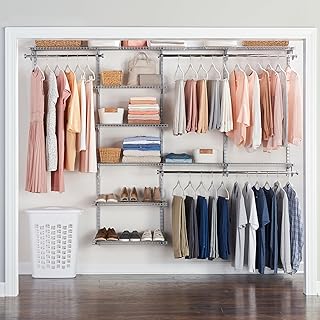
Rubbermaid Configurations Deluxe Custom Closet Kit 4-8 Ft.
A dependable everyday pick — Rubbermaid Configurations Deluxe Custom Closet Kit 4-8 Ft. Adjustable pulls in 81 ratings at 4.5 stars. Not flashy, just solid.
4. Maximize Vertical Space With Over-The-Door Organizers

When you live in a house with tiny closets, you have to get creative. Most people completely ignore the back of their doors. This is prime real estate just waiting to be used. You need to maximize your vertical space with over-the-door organizers. I’m not just talking about storing your winter boots. A clear pocket shoe organizer is one of the most versatile tools you can buy. You might also like: 15 Inspiring Home Makeover Ideas You Haven’t Thought Of
I personally swear by the Simple Houseware 24-Pocket Clear Shoe Organizer. It costs exactly $9.87 on Amazon. I hung one on the back of my narrow pantry door, and it instantly solved my snack chaos. Before this, my kids would rip open boxes of granola bars and leave the empty cardboard shells on the shelves. It drove me crazy. Now, I unbox everything immediately. I slide individual 1.5 oz bags of trail mix, protein bars, and fruit snacks into the clear pockets. Because the pockets are transparent, I can see exactly what we’re running out of before I make my weekly grocery run to Kroger. You can also use these organizers in a utility closet for small cleaning supplies. A standard 32 oz spray bottle of all-purpose cleaner fits perfectly in a shoe pocket. It keeps harmful chemicals up high and away from pets or toddlers. Stop letting your doors just be doors. They can hold an incredible amount of stuff if you use the right hardware. You might also like: 20 Inspiring Organizing Storage Home Hacks Ideas for Any Style
5. Brilliant Home Organization Tips: Invest In Adjustable Drawer Dividers

Open any drawer in a typical kitchen, and you’ll usually find a tangled mess of spatulas, measuring spoons, and rogue rubber bands. Prevent this chaos by using adjustable drawer dividers. This is the secret to getting that custom, high-end look without paying thousands of dollars for custom cabinetry. For kitchen utensils, you need expandable bamboo dividers. You might also like: 15 Clever Kitchen Small Space Ideas That Changed Everything
I bought a set of Royal Craft Wood Expandable Bamboo Drawer Dividers for $25.99 online. They’re spring-loaded and adjust to fit the exact depth of your drawer. Honestly this changed how I cook. I used to dig through a massive pile of metal and plastic just to find a simple whisk. It sounded like a toolbox falling down a flight of stairs every time I opened the drawer. Now, my wooden spoons are separated from my baking tools. For your deeper drawers, you need taller dividers. I use 4-inch tall adjustable dividers to neatly separate my heavy pots, pans, and those incredibly annoying food storage container lids. Lids are the absolute worst to organize. They slide everywhere and never stay stacked. By creating a tight, dedicated channel with a bamboo divider, the lids stand upright in a neat row. It’s a small investment that saves me daily frustration. Skip the cheap plastic trays that slide around every time you open the drawer. The spring-loaded tension on the bamboo dividers keeps them locked firmly in place.
6. Switch To Velvet Slim Hangers To Double Your Closet Space

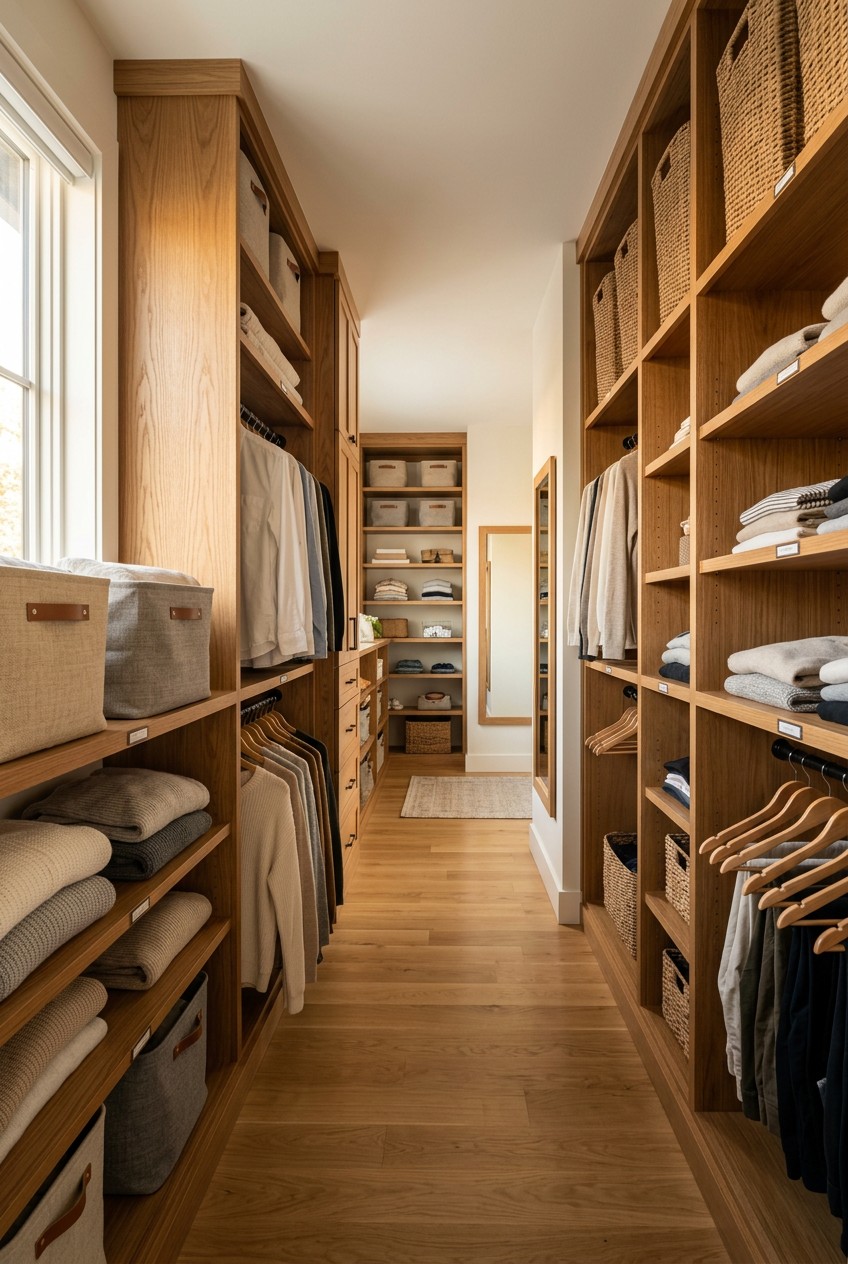
If you’re still using a random assortment of bulky plastic hangers from the 1990s and flimsy wire hangers from the dry cleaner, we need to talk. You’re wasting a massive amount of space. You need to replace all of them with space-saving velvet slim hangers. It sounds dramatic, but this single swap can practically double the capacity of a small wardrobe.
I bought a 50-pack of Utopia Home Premium Velvet Hangers at Walmart for $20.99. The difference was immediate. The ultra-thin profile means the hangers sit flush against each other. The velvet texture grips the fabric, so my wide-neck blouses and silky camisoles no longer slip off and land in a wrinkled heap on the closet floor. I used to spend ten minutes every morning ironing shirts that had fallen down overnight. It was infuriating. The uniform look of matching black velvet hangers also reduces visual clutter. When your hangers match, your eye naturally focuses on the clothes instead of the chaotic plastic rainbow holding them up. It makes your standard closet look a little bit more like a fancy boutique. Just a warning, though. Don’t hang heavy winter coats on these slim hangers. A heavy wool peacoat will snap a thin velvet hanger right in half. I learned that the hard way last winter. Keep a few sturdy wooden hangers aside for your heaviest outerwear, and use the velvet ones for everything else.
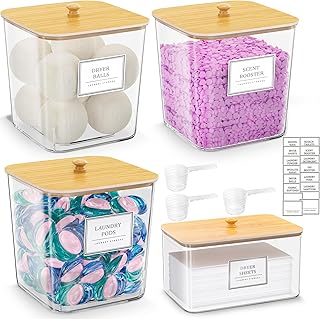
HomePekite Laundry Pods Storage Container
Honestly, HomePekite Laundry Pods Storage Container surprised me — sturdier than it looks in the photos, and over 15 buyers gave it 4.5 stars.
7. Create A Memory Bin For Incoming Papers And Junk Mail

Paper clutter is the silent killer of a clean house. It starts with one innocent piece of mail on the kitchen counter. Two days later, it’s a massive, terrifying pile of bills, school permission slips, and random coupons you’ll never use. You need a designated drop zone to stop this daily accumulation.
Create a “memory bin” for incoming papers and ephemera. I use a really pretty Brightroom 11-inch coiled rope basket that I picked up at Target for $12.00. It sits right on my entryway console table. The texture of the woven rope adds a nice, warm touch to the room, and it completely hides the ugly paper inside. When the mail comes in, I immediately toss the obvious trash into the recycling bin. Everything else goes straight into the rope basket. Receipts, sentimental cards, invitations, all of it. Once a year, usually in January, I empty the entire basket onto my dining table. I sort through it, file the important tax documents, and discard the rest permanently. It’s so much easier to deal with a contained basket once a year than to fight a losing battle against paper piles every single day. If you leave papers out in the open, they multiply. Hide them in a designated, attractive bin, and you take back control of your flat surfaces.
8. Decant Pantry Staples Into Clear Uniform Containers

Pantry shelves are usually a visual nightmare of brightly colored cardboard boxes and half-rolled plastic bags held together by chip clips. To build a visually appealing and highly functional pantry, you must transfer your dry goods into clear, stackable containers. This is a massive 2026 trend. We’re moving away from flimsy single-use plastic packaging and prioritizing systems that look good and work better.
Decanting isn’t just about aesthetics. It’s about preserving your food and deterring pests. Last summer, I brought home a bag of flour that had pantry moths hiding inside. Because I hadn’t decanted it, the moths chewed through the paper bag and infested my entire pantry. I had to throw away nearly sixty dollars worth of baking supplies. It was a smelly, dusty, expensive disaster. Now, I immediately transfer items like pasta, grains, and snacks into OXO Good Grips POP containers. The 4.4-quart size costs about $20.99 and perfectly holds a standard 5 lb bag of flour. I also buy 32 oz bags of rolled oats at Trader Joe’s and pour them straight into a tall, clear cylinder. The push-button airtight seal keeps the oats fresh for months. Because the containers are clear, I can see exactly how much rice or sugar I have left with just a quick glance. I never accidentally buy duplicates anymore. It takes an extra five minutes after grocery shopping, but the long-term organization is totally worth it.
9. Utilize 3-Tier Rolling Carts For Portable Stations

Not everything in your house needs a permanent, built-in cabinet. Sometimes you need flexibility, especially if you live in an apartment or have rooms that serve multiple purposes. A 3-tier rolling cart is the perfect solution for creating a portable station.
I absolutely love the IKEA RÅSKOG utility cart. It costs $39.99, and the powder-coated steel is incredibly durable. I use one as a mobile homework and craft station for my kids. The top tier holds a plastic caddy filled with markers, scissors, and a 4 oz bottle of Elmer’s glue. The middle tier holds stacks of construction paper, and the bottom tier holds their bulky coloring books. When it’s time to do homework, we roll the cart right up to the dining room table. When they’re finished, we roll it back into the corner of the living room out of sight. The smooth-rolling caster wheels make it effortless to move around, even on my plush living room rug. You can use these carts for almost anything. I’ve seen clients use them as a mobile cleaning caddy, loading them up with heavy glass cleaner and scrub brushes. I’ve even used one as a portable coffee station when hosting a brunch. It frees up valuable counter space and keeps all your related supplies corralled in one neat, movable tower.

Galasily 3 Pack Laundry Detergent Dispenser Container with
Galasily 3 Pack Laundry Detergent Dispenser Container with Tray punches above its price — 114 buyers rated it 4.5 stars. I would buy it again.
10. Implement A Centralized Household Management Binder

Running a house requires managing an absurd amount of information. If your emergency contacts are saved in your phone, your takeout menus are stuffed in a junk drawer, and your cleaning checklists are lost in a notebook somewhere, you’re creating unnecessary mental clutter. An expert tip for managing household chaos is to consolidate all of this into one physical binder.
I use a heavy-duty Avery 2-inch View Binder. I bought it at Costco in a 4-pack for $14.99. Inside, I use clear plastic sheet protectors to hold everything vital. I have a tab for medical information, including a printed list of our pediatrician’s phone numbers and allergy details. I have a tab for home maintenance, where I keep the business cards of our plumber and electrician. I even have a tab for our weekly meal planning templates. Before I made this binder, my husband would text me three times a day asking for passwords or wondering what day the recycling got picked up. It drove me insane. Now, if the internet goes down or someone needs the Wi-Fi password, the answer is in the binder. Centralizing vital information reduces stress for everyone in the house. It ensures that essential details are always accessible, even if the power goes out or someone’s phone battery dies. It’s a low-tech solution to a very modern problem.
11. Label Everything Including Cables And Smart Home Devices

If you look behind your television or under your home office desk right now, you’ll probably see a terrifying nest of black and white cords. A surprising but highly effective tip from smart home cleanup experts is to label all your cables. Network cords, USB chargers, HDMI cables, and power cords all look exactly the same when they’re tangled together.
I learned this the hard way last month. My internet router stopped working, and the tech support guy on the phone told me to unplug the power cord. I reached behind the desk and accidentally unplugged my desktop computer right in the middle of saving a huge document. I lost two hours of work because I guessed the wrong black wire. The next day, I drove to Kroger, bought a Brother P-touch PTH110 Label Maker for $34.99, and went to work. I printed out simple text labels and wrapped them around both ends of every single cord in the house. “TV Power,” “Router,” “Printer USB.” It took me about an hour, but it saves significant time and frustration when I’m troubleshooting or reorganizing my desk. I also label the back of my smart plugs so I know exactly which outlet controls the living room lamp versus the holiday lights. Once you start labeling things, you won’t want to stop. It brings a weird sense of peace to the hidden, chaotic corners of your home.
12. Keep A Lined Donation Bin For Continuous Purging

Decluttering isn’t a one-time event. It’s an ongoing lifestyle habit. If you wait until your house is overflowing to gather donations, the task will always feel monumental and exhausting. You need to make getting rid of things as easy as throwing away the trash. Keep a dedicated, lined bin for donations in an easily accessible spot.
I keep a tall plastic laundry hamper in the corner of my laundry room. I line it with a heavy-duty Glad 13-gallon tall kitchen drawstring trash bag. A box of 110 bags costs $18.99, and they never rip. This is my continuous purge zone. When I try on a shirt and realize the buttons are pulling, I don’t hang it back up in the closet. I walk straight to the laundry room and drop it in the donation bin. When I find a plastic toy my kids haven’t played with in six months, it goes in the bin. Because the bin is already lined with a trash bag, it’s effortless to deal with when it gets full. I just pull the drawstrings tight, tie a knot, and toss the bag directly into the trunk of my car. I drop it off at the thrift store the next time I run errands. This system prevents those annoying piles of “to-donate” items from lingering in the hallway and re-cluttering your space. It makes letting go of things a quick, daily reflex rather than a massive weekend chore.
Getting your house in order doesn’t happen overnight. It’s a slow process of building better habits and setting up systems that actually work for your specific lifestyle. Don’t try to tackle all twelve of these ideas this weekend. Pick one small area. Start with your utensil drawer or set up a single donation bin in the laundry room. Once you feel that tiny spark of success, you’ll want to keep going. I personally recommend starting with the velvet hangers. It’s a quick, satisfying project that instantly makes your closet look better and gives you a massive motivational boost. You don’t need a massive budget or a professional crew to get a tidy house. You just need a little bit of patience and the willingness to let go of things that are holding you back. If you found these home organization tips helpful, please save this article or pin it to your favorite Pinterest board so you can refer back to it the next time you’re feeling overwhelmed by clutter. You’ve got this!

4 Tier Storage Bins with Lids
A dependable everyday pick — 4 Tier Storage Bins with Lids pulls in 63 ratings at 4.5 stars. Not flashy, just solid.
Frequently Asked Questions
What is the first step in home organization?
Always start by decluttering before buying any storage bins. Gather items by category, see exactly what you own, and purge what you no longer need. Only then should you measure your space and purchase specific containers.
How do I stop clutter from coming back?
Implement the one in, one out rule. For every new item you bring into your house, donate or discard a similar item. Keeping a lined donation bin in your laundry room makes this continuous purging effortless.
Are velvet slim hangers really worth it?
Yes, switching to velvet slim hangers can practically double your closet space. Their ultra-thin profile allows clothes to sit flush against each other, and the velvet texture prevents silky fabrics from slipping off onto the floor.
How can I organize papers and junk mail?
Create a designated memory bin near your entryway. Toss all incoming non-trash mail, receipts, and sentimental items into this attractive basket. Once a year, empty the bin, file the important tax documents, and permanently discard the rest.
1 thought on “12 Home Organization Tips That Actually Work”